Why Choosing the Right Air Filter Size Matters
Figuring out exactly what size air filter do I need is the most critical step in maintaining a healthy, functional home heating and cooling setup. As an experienced air filter manufacturer, we constantly see the negative consequences of improperly sized filters. An exact fit is not just about convenience; it is the foundation of effective indoor air filtration. When a filter fits perfectly, it creates a tight seal that forces all circulating air to pass directly through the filtration media, capturing dust, pollen, and debris before they enter your living space.
The Impact of Using the Wrong Size Filter
Using an incorrectly sized filter instantly compromises your indoor air quality and mechanical setup. When the dimensions are off, the system cannot perform as designed.
- Air Bypass: If a filter is too small, gaps form around the edges. Unfiltered air takes the path of least resistance, bypassing the filter entirely and distributing dust straight into your home.
- Filter Damage: Forcing a filter that is too large into the intake slot causes the frame to buckle, bend, or tear. A damaged frame ruins the structural integrity of pleated air filters.
- Whistling Noises: Improperly sized filters often vibrate or rattle, creating annoying whistling sounds as air forces its way through the gaps.
Efficiency and HVAC System Lifespan
The relationship between your filter dimensions and your overall HVAC system health is direct and measurable. Selecting the right size protects your expensive equipment from premature failure.
- Prevents Motor Strain: A correct fit ensures optimal airflow. When air bypasses a small filter, dust coats the blower motor and evaporator coils, forcing the system to work twice as hard to maintain temperature.
- Lowers Energy Bills: Systems bogged down by dust buildup consume significantly more electricity. A properly sealed filter keeps internal components clean, maintaining peak energy efficiency.
- Extends Equipment Life: By eliminating internal debris accumulation, a precisely sized filter prevents overheating and freezing, adding years to the lifespan of your entire HVAC system.
Understanding Nominal vs. Actual Air Filter Sizes
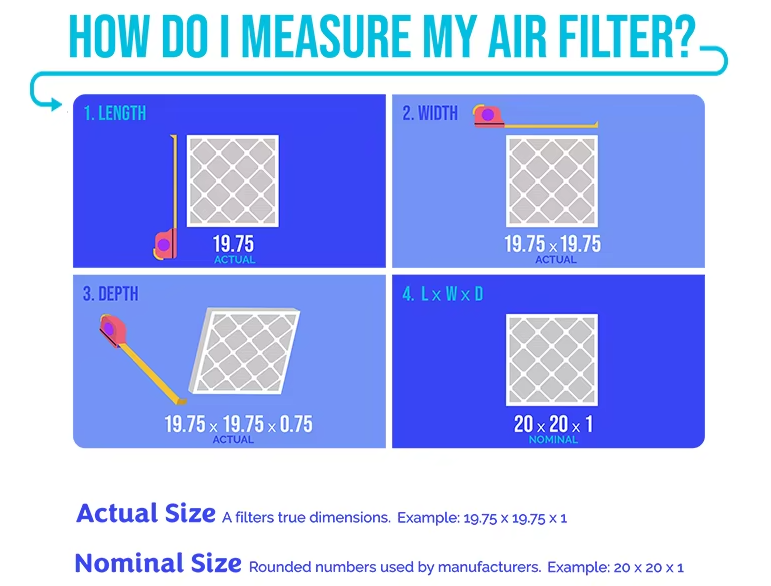
When trying to determine what size air filter you need, the biggest point of confusion is usually the difference between nominal vs actual size. As an air filter manufacturer, we see people buy the wrong size daily simply because they do not realize the numbers printed on the box are not the exact physical dimensions.
What is Nominal Size?
The nominal size is the rounded measurement printed in large, bold numbers on the cardboard frame of your filter.
The Purpose: It acts as a standardized shorthand to make finding replacements quick and easy at the store.
Common Examples: 20x20x1, 16x25x1, or 20x25x4.
What is Actual Size?
The actual size represents the precise measurements of the filter when you use a tape measure to check the exact width, length, and depth.
The Reality: The actual size is almost always a fraction of an inch smaller than the nominal size.
The Difference: A filter with a nominal size of 20x20x1 might actually measure 19.5 x 19.5 x 0.75 inches. Knowing these exact measurements is a critical step when determining what size air filter you need to properly protect your HVAC equipment.
Why Are Air Filters Undersized?
Air filters are intentionally built slightly smaller than their nominal dimensions to guarantee a smooth and easy installation. If the filter matched the exact dimensions of the return vent or furnace slot, it would jam in the track. You would have to crush or bend the frame to force it inside. This intentional size reduction provides just enough clearance so the filter easily slides in and out during replacements without compromising the seal.
How to Find the Air Filter Size You Need
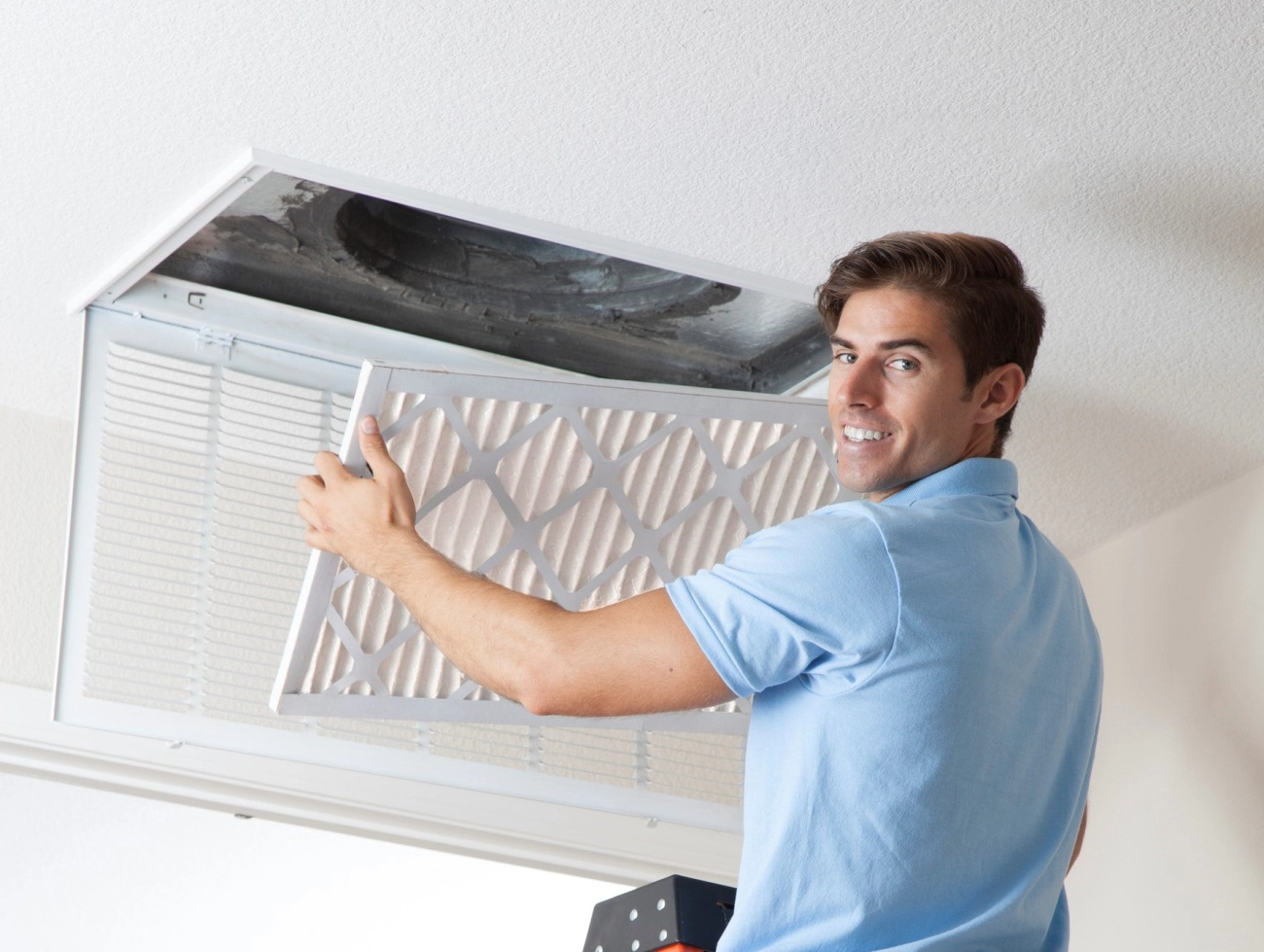
Figuring out what size air filter you need doesn’t have to be complicated. Getting an exact fit is essential to keep dirt and debris out of your equipment. If your filter is too small, unfiltered air will bypass it entirely. If it is too large, it simply won’t fit into the housing. Here is the easiest way to act as your own filter size finder and get the right dimensions every time.
Check Your Existing Air Filter
The fastest way to determine your size is to check the air filter currently inside your system. Slide the old filter out and look along the outer cardboard frame. You will almost always see the size printed clearly on the edge.
When you pull it out to check the numbers, note the direction of the airflow arrows on the frame. Getting the size right is only half the battle; knowing which way your air filter goes is just as important for maintaining proper airflow and system efficiency.
Measure the Filter Length, Width, and Depth
If the printed numbers are faded or if you have a blank frame, you will need to measure your existing filter manually with a tape measure.
Always measure in this specific order to find your exact filter dimensions:
- Length: The longest side of the filter frame.
- Width: The shorter side of the filter frame.
- Depth (or Thickness): How thick the filter is (typically between 1 and 6 inches).
Keep in mind that your manual measurements will give you the actual size, which often includes fractions (like 19.5″ x 19.5″ x 0.75″). You will need to round these numbers up to the nearest whole inch to find your standard nominal size (which would be 20x20x1 in this example).
Measure Your HVAC Return Vent or Intake Slot
Sometimes, you move into a new place and discover there is no filter in the system at all. If you don’t have an old filter to reference, you need to measure the physical space where the filter belongs.
Grab your tape measure and measure the inside edges of the air return vent or the intake slot on your furnace. Measure the length, width, and depth of the opening itself, and then subtract about 1/4 inch to 1/2 inch to ensure the new filter can slide in and out easily without getting crushed. Properly fitting HVAC air intake filters save money and improve efficiency, so taking a few extra seconds to measure the housing accurately is well worth the effort.
Standard vs. Custom Air Filter Sizes

Figuring out exactly what size air filter do I need often comes down to deciding between standard dimensions and specialized cuts. While most HVAC systems are built to accommodate standard sizes, older homes or uniquely designed systems might require something different.
Most Common Standard Air Filter Sizes
If you walk into any hardware store, you will see a wall of standard air filter sizes. These are manufactured to fit the vast majority of residential furnaces and AC units. Instead of guessing, you can usually refer to a basic furnace filters size chart or just look at your existing filter.
Some of the most popular standard sizes include:
- 16x20x1
- 16x25x1 filter
- 20x20x1 filter
- 20x25x1
If your system’s slot matches one of these common dimensions, finding a replacement is quick and affordable.
Understanding Filter Thickness (1-Inch vs. Thicker Filters)
Filter thickness is just as crucial as the length and width. The thickness determines how much surface area the filter has to trap dust and how often it needs to be replaced.
- 1-Inch Air Filters: This is the industry standard for most residential wall vents and ceiling returns. They get the job done, but usually need to be replaced every 1 to 3 months.
- 4-Inch Filters and Thicker: Thicker filters (ranging from 2 to 5 inches) are typically installed directly at the furnace or air handler. Because they have more pleated surface area, they restrict airflow less and can last anywhere from 6 to 12 months.
Always check your system’s depth capacity. You cannot squeeze a 4-inch filter into a 1-inch slot, and putting a 1-inch filter into a 4-inch slot will leave massive gaps where unfiltered air can bypass the material completely.
How to Know if You Need a Custom Size
Sometimes, off-the-shelf options simply will not work. If you measure your intake slot and realize that standard dimensions leave significant gaps or require you to crush the filter frame to make it fit, you are losing filtration efficiency.
An exact fit is mandatory to keep dust out of your blower motor. If your system requires non-standard dimensions, ordering custom air filters is the best way to ensure proper airflow and complete protection for your HVAC equipment. We design these filters to match your exact specifications down to the fraction of an inch, eliminating harmful air bypass.
Additional Considerations Beyond Filter Size
Getting the right filter dimensions is just the first step in asking what size air filter do I need. To keep your HVAC system running smoothly and your indoor air clean, you need to look at a few other crucial details.
Understanding MERV Ratings
The MERV rating (Minimum Efficiency Reporting Value) dictates the filtration level of your filter. A higher number means the filter catches smaller particles. Most standard homes do perfectly fine with a MERV 8 to 11. If you have pets or severe allergies, you might want to step up to MERV 13. However, going too high can restrict airflow and strain your system. To figure out the exact balance between air flow and filtration for your setup, check out our guide on which MERV rating filter you should use for home air quality.
Common Types of Air Filter Materials
Because we are an air filter manufacturer, we see a lot of confusion about filter materials. The material you choose drastically impacts how well the filter performs. Here is a quick breakdown:
- Fiberglass air filters: These are the cheapest, most basic option. They catch large dust and lint but do very little for smaller allergens or pet dander.
- Pleated air filters: Made from folded cotton or polyester, these have a larger surface area. They capture significantly more debris and are the go-to standard for most residential homes.
- HEPA air filters: These offer top-tier filtration. However, true HEPA filters are usually too dense for standard home HVAC systems and are much better suited for standalone room air purifiers.
How Often Should You Change Your Filter?
Even if you find an exact fit for your system, that filter will fail if it gets clogged. A dirty filter forces your HVAC system to work harder, driving up your energy bills and risking costly repairs. Follow these general guidelines:
- 1-inch air filters: Replace every 1 to 3 months.
- 4-inch filters: Replace every 6 to 9 months.
- Homes with pets or allergies: Check monthly and replace as soon as it looks visibly dirty.
For a more detailed breakdown based on your specific living situation and household size, read our comprehensive guide on how often to change your air filter. Staying consistent with replacements is the easiest way to keep your air fresh and your equipment healthy.