Why Regular AC Filter Cleaning is Essential
Maintaining a clean air conditioner filter is the single most important task for any homeowner looking to optimize their HVAC system. A neglected filter acts as a barrier, forcing your system to work overtime while compromising the environment of your home. Consistent maintenance ensures that your unit operates at peak performance while providing the comfort you expect.
Improving Indoor Air Quality
Your AC filter serves as the primary line of defense against airborne contaminants. Over time, the mesh screen traps a significant amount of dust, allergens, and pet hair. If left uncleaned, these particles bypass the saturated filter and recirculate into your living space. Regular cleaning results in:
- Reduced Allergy Triggers: Removes pollen and mold spores from the air.
- Odors Elimination: Prevents the “musty” smell caused by trapped organic matter.
- Breathable Air: Ensures a constant flow of fresh, filtered oxygen throughout the room.
Enhancing Energy Efficiency
A clogged filter restricts airflow, which is the leading cause of high utility bills. When air cannot pass through the filter easily, the indoor unit must consume more electricity to achieve the desired temperature. By keeping the filter clear, you significantly improve cooling efficiency.
- Lower Costs: Reduces energy consumption by up to 15%.
- Consistent Temperatures: Eliminates “hot spots” caused by weak airflow.
- Eco-Friendly Operation: Minimizes the carbon footprint of your home.
Extending the Lifespan of Your Unit
System failure is often the direct result of poor HVAC maintenance. When airflow is restricted, the evaporator coils can freeze, and the motor may overheat from the constant strain. Regular cleaning protects your investment by:
- Preventing Component Wear: Reduces the workload on the compressor and fan motor.
- Avoiding Costly Repairs: Stops dust from accumulating on sensitive internal parts.
- Maximizing Longevity: Ensures your window air conditioner or central system lasts for its full intended lifespan without premature breakdown.
Preparation and Safety Measures
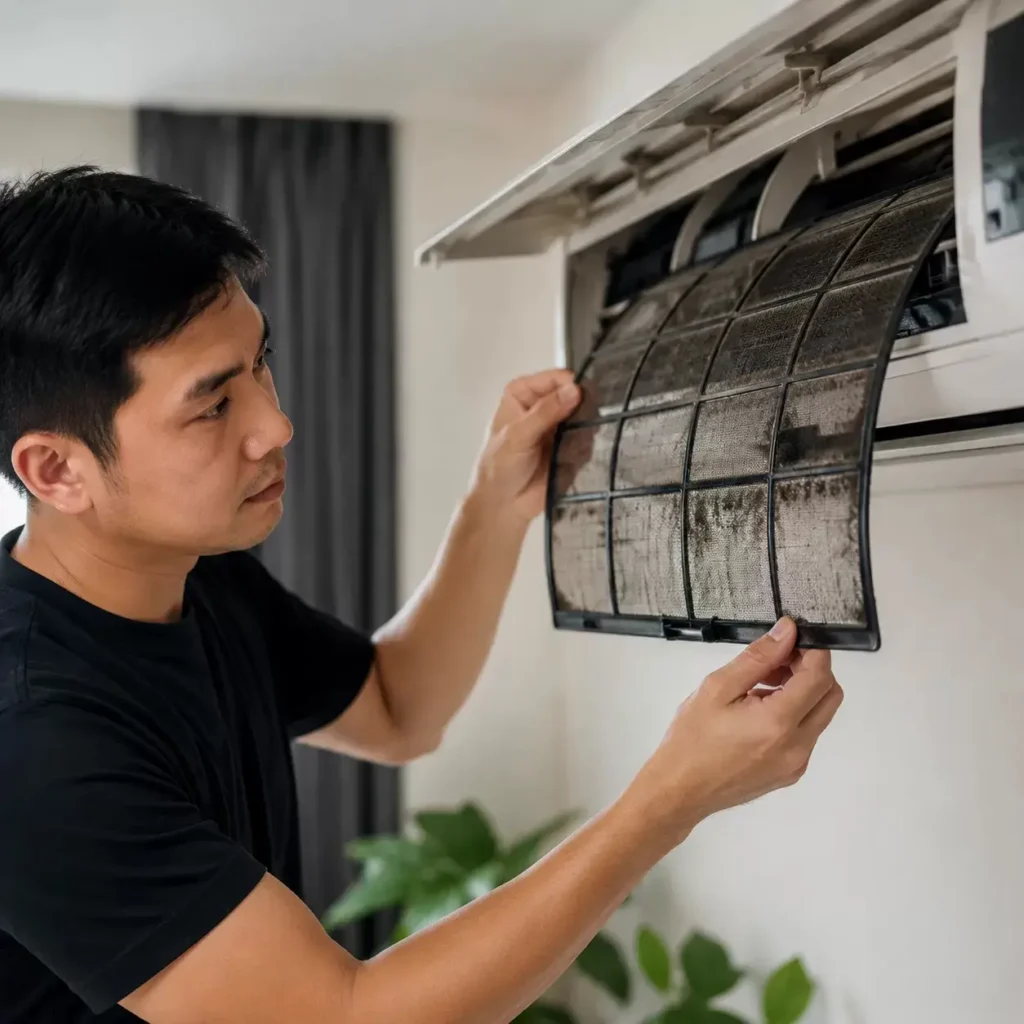
Before we get into how to clean air conditioner filter components, we have to talk about safety. Rushing into maintenance without the right prep is a quick way to damage your unit or cause a mess. I always make sure the workspace is ready so the process stays quick and effective.
Turning Off the Power to the AC Unit
Safety is non-negotiable. I always start by turning off the indoor unit using the remote or control panel. For total safety, unplug the unit from the wall or switch off the dedicated circuit breaker. Never work on a powered-on system; we want to protect both the electronics and ourselves while handling the mesh screen.
Locating and Removing the Filter Access Panel
On a standard window air conditioner or a wall-mounted split system, the access panel is usually right at the front. I look for the small indentations or notches on the sides that allow the cover to flip up or slide out. Once you pop it open, the reusable filter is visible. I carefully unlatch it to avoid snapping any plastic clips that hold it in place.
Gathering Necessary Cleaning Supplies
I find that having everything within arm’s reach makes the job much smoother. To improve airflow and restore cooling efficiency, I use a few basic household items:
- Vacuum cleaner attachment: Perfect for removing loose pet hair and heavy dust before getting the filter wet.
- Cleaning Solution: A bucket of lukewarm water mixed with a neutral detergent or mild soap.
- Soft-bristled brush: To gently scrub away stubborn grime without tearing the delicate mesh.
- Microfiber cloths: For wiping down the interior of the unit housing.
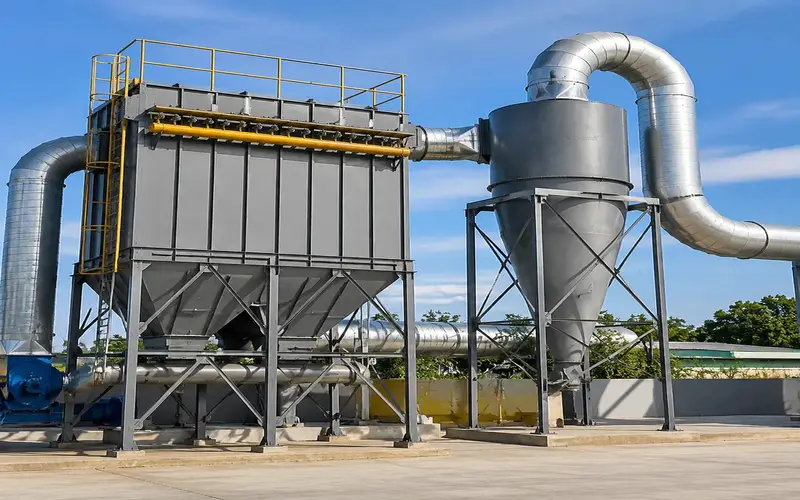
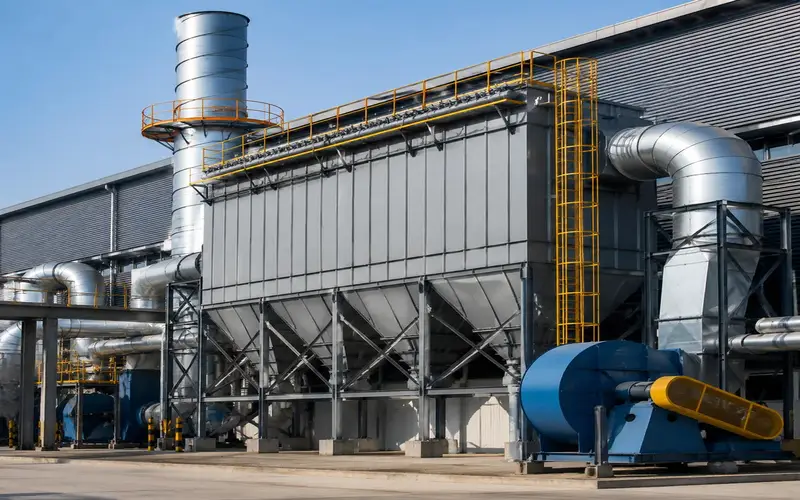
If you are dealing with more complex systems, understanding the layout of air handling unit filters can provide a better perspective on how these components protect your HVAC maintenance investment. Having these supplies ready ensures you can clean the unit and get it back to providing breathable air in no time.
How to Clean a Reusable Air Conditioner Filter
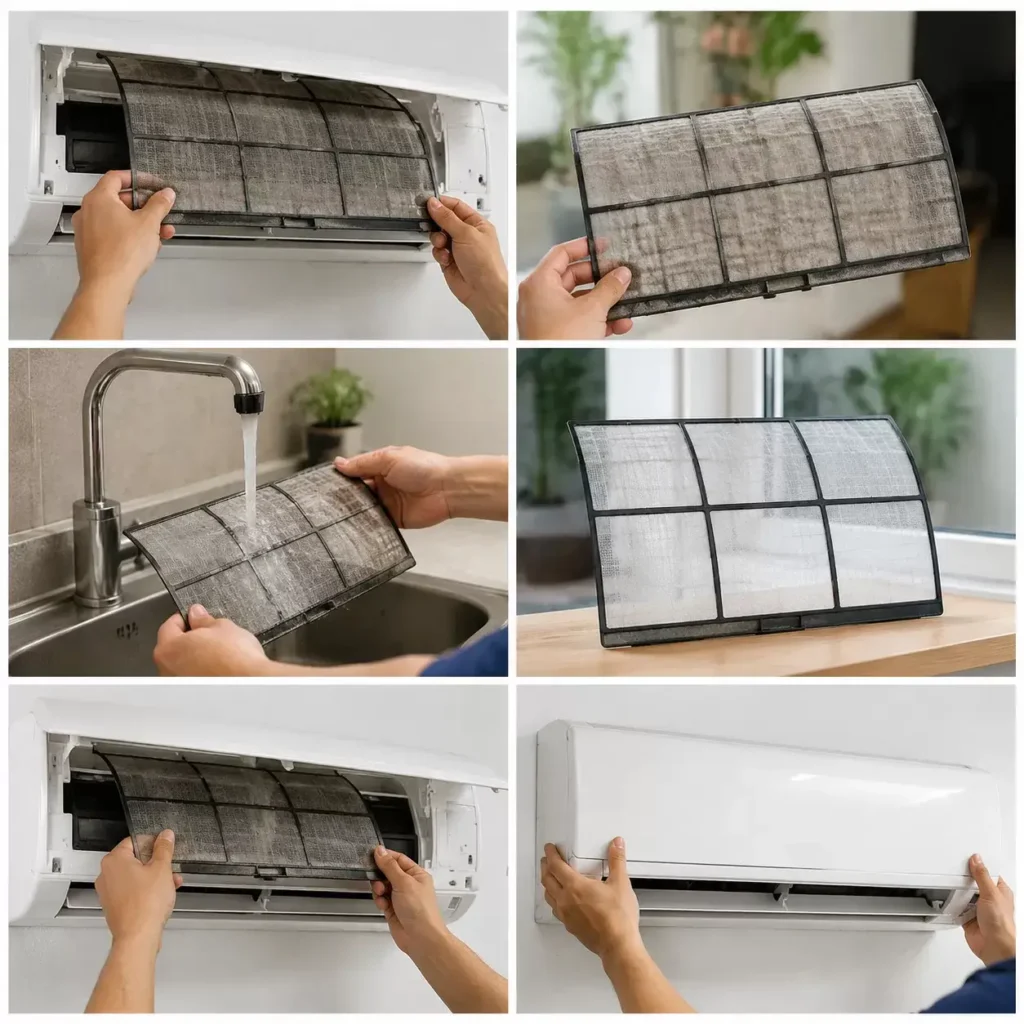
Cleaning your reusable filter is the most effective way to maintain peak cooling efficiency. Most indoor unit filters are designed for long-term use, provided you handle the mesh screen with care. If you are unsure if your specific model is washable, you can learn more about whether you can reuse a wavy air conditioner filter before you begin the process.
Vacuuming Loose Dust and Debris
I always start by removing the “dry” buildup. Using a vacuum cleaner attachment allows you to strip away layers of dust, pet hair, and allergens without clogging the filter fibers with moisture prematurely.
- Lay the filter flat on a clean surface.
- Use a soft brush attachment to avoid tearing the mesh.
- Vacuum the side that faces the air intake to pull debris directly off the surface.
Washing with Water and Mild Detergent
Once the loose dirt is gone, a wet wash is necessary to remove sticky residue and fine particles. For a detailed walkthrough on handling delicate components, follow our how to clean air filter step-by-step instructions to avoid common pitfalls.
| Step | Action | Notes |
|---|---|---|
| Step 1 | Rinse | Rinse under running water (low pressure). |
| Step 2 | Soap | Apply a neutral detergent or mild soap. |
| Step 3 | Scrub | Use your fingers or a soft cloth; avoid stiff brushes. |
| Step 4 | Rinse | Flush with lukewarm water until the water runs clear. |
Deep Cleaning to Remove Odors and Bacteria
If your AC has a “musty” smell, simple soap won’t cut it. I recommend a soaking technique to neutralize bacteria and mold spores.
- The Solution: Create a 50/50 mix of vinegar and water.
- The Process: Submerge the filter for about 30 minutes.
- The Result: This provides a natural disinfection that ensures the output is fresh, breathable air while protecting your evaporator coils from organic growth.
Drying and Reinstalling the Filter
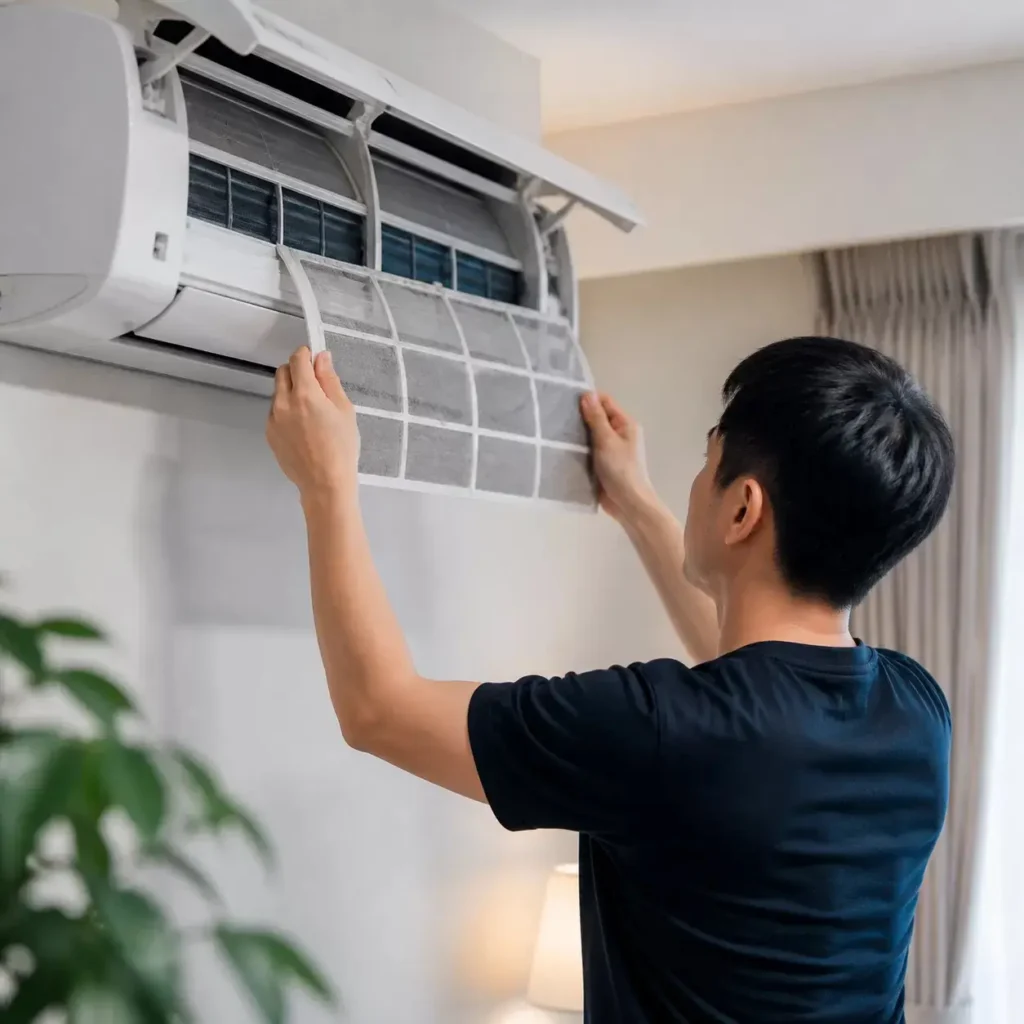
Once the washing is finished, the drying phase is just as critical for your indoor unit. Reinstalling a damp filter is a shortcut to mold growth and unpleasant odors, so we always prioritize a bone-dry finish.
Proper Air Drying Techniques
Patience is your best tool here. We recommend placing the mesh screen or reusable filter in a clean, shaded area with good airflow.
- Avoid Direct Sunlight: Intense UV rays can make plastic frames brittle over time.
- No Artificial Heat: Never use a hair dryer or heater; high heat can warp the filter material.
- The Touch Test: Ensure it is air dry completely by touching the corners and center before moving to the next step.
Checking for Damage Before Reinstallation
Before you put everything back together, take thirty seconds to inspect the material. A clean filter is useless if it’s compromised.
- Look for Holes: Even small tears allow dust and pet hair to bypass the filter and clog your evaporator coils.
- Inspect the Frame: If the frame is cracked or sagging, it won’t seal properly.
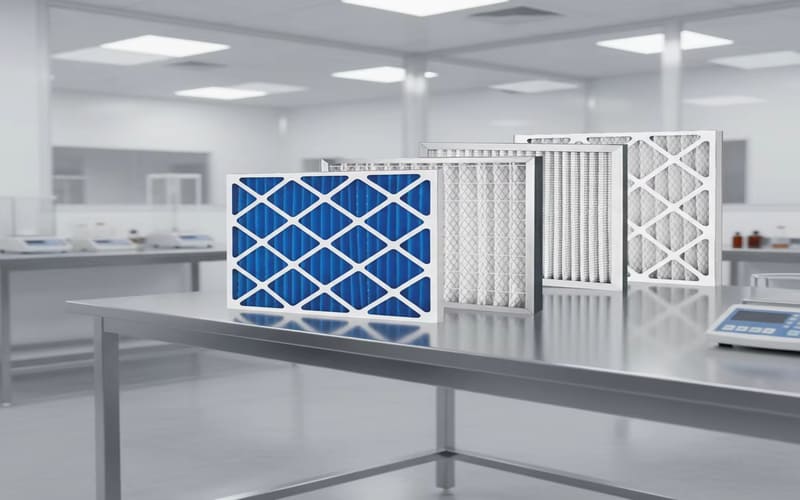
- Decision Time: If the damage is significant, it’s time to replace it. Understanding the pros and cons of washable vs disposable air filters can help you decide if you should stick with your current setup or upgrade to a different style.
Ensuring Correct Filter Alignment and Placement
To improve airflow and maintain system health, the filter must be seated perfectly within its tracks.
- Follow the Arrows: Most filters have directional arrows indicating the “Air Flow” path; ensure these point toward the unit.
- Secure the Clips: Gently press the filter into place until you hear it click or feel it sit flush against the intake.
- No Gaps: A loose fit allows unfiltered air to leak through, reducing your cooling efficiency and overall air quality.
Maintenance Schedule and Frequency
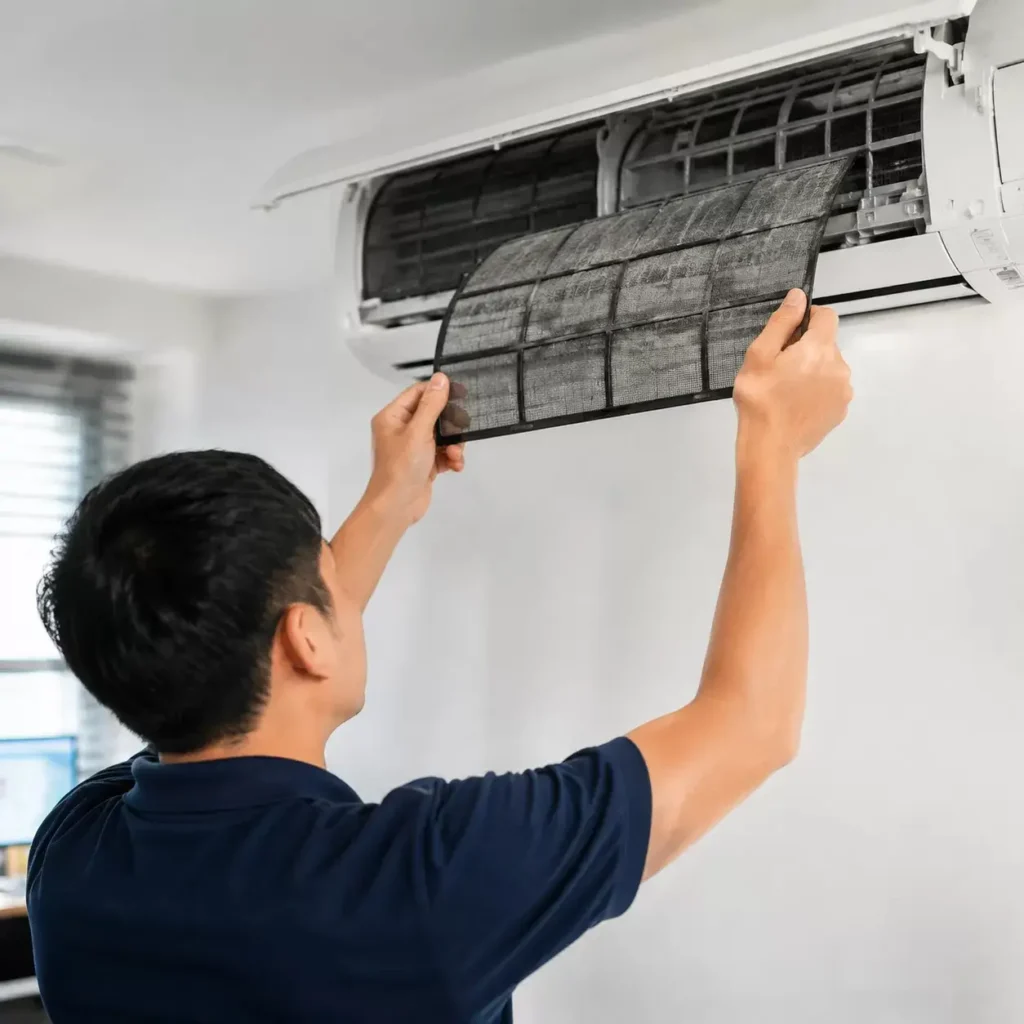
Staying on top of your monthly maintenance is the easiest way to keep your home cool and your energy bills low. I always recommend setting a recurring reminder so you never forget this essential task.
Recommended Cleaning Intervals
For most households, the standard cleaning frequency is once every 250 to 300 hours of operation. During peak summer or winter months, this usually translates to cleaning your reusable filter at least once every 30 days. Regular upkeep prevents dust from bypassing the screen and settling on the evaporator coils, which can lead to expensive repairs.
Factors That Lead to Faster Clogging
Not every home is the same, and certain environments require more attention to maintain breathable air. You should check your filter every two weeks if you deal with the following:
- Pet Hair and Dander: Cats and dogs shed heavily, quickly blocking airflow.
- High Occupancy: More people moving around kicks up more allergens and dust.
- Local Construction: Fine masonry or drywall dust can clog a mesh screen in a matter of days.
- Smoking: Tobacco smoke creates a sticky residue that traps particles faster.
Knowing When to Clean vs. When to Replace
While most modern units feature washable screens, they don’t last forever. I suggest inspecting the physical integrity of the material every time you wash it. If you notice any thinning of the mesh, small holes, or a brittle frame, it’s time to look into quality replacement filters to ensure your system remains protected.
| Condition | Action |
|---|---|
| Layer of grey dust | Clean/Vacuum |
| Odors or mold spots | Deep clean with vinegar |
| Frayed mesh or tears | Replace Immediately |
| Permanent discoloration | Replace |
Consistency is key here. A clean filter ensures maximum cooling efficiency and keeps your system running smoothly for years.
Pro Tips for Better AC Performance
Cleaning the Surrounding Vents and Grills
When you are learning how to clean air conditioner filter components, don’t ignore the exterior. Dust and pet hair often build up on the intake slats before they even reach the mesh screen. Use a vacuum cleaner attachment to clear the grills every time you vacuum the room. To keep your system even cleaner, some homeowners put filters on air vents to trap debris in the ductwork before it hits the main unit, which significantly reduces the buildup of allergens. However, while adopting this approach, it is also necessary to pay attention to its impact on airflow.
Using Vinegar for Natural Disinfection
For a deeper clean that tackles bacteria and musty odors, I recommend a simple mixture of vinegar and water.
- Mix equal parts white vinegar and lukewarm water in a large basin.
- Let your reusable filter soak for about 45 minutes.
- This natural solution breaks down oily residue and biofilm, restoring cooling efficiency without the need for harsh chemicals or expensive cleaners.
Common Cleaning Mistakes to Avoid
Even a simple task can go wrong if you aren’t careful. Here is what I tell everyone to avoid:
- Using Heat to Dry: Never use a hair dryer or direct sunlight to speed things up, as high heat can warp the filter frame.
- Scrubbing Too Hard: A mesh screen is delicate; use a soft brush or just your fingers to remove dust.
- Reinstalling While Damp: This is a recipe for mold growth. Ensure you let it air dry completely.
- Keeping Damaged Filters: If the mesh is torn or the frame is bent, the filter is useless. Check our guide on air filter disposal to learn how to properly discard old units and when it is time to buy a replacement.