Understanding the Importance of Clean Air Filters
Why You Need to Change Your Air Filters Regularly
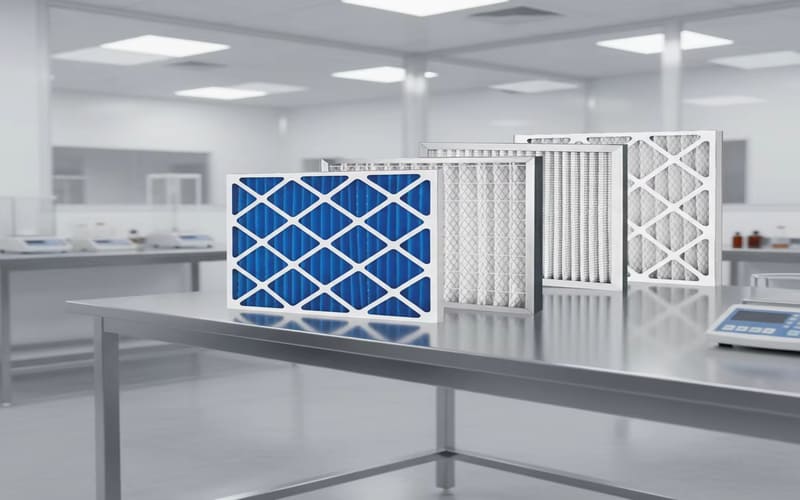
Maintaining a clean air filter is the simplest yet most critical step in optimizing indoor air quality and system efficiency. As a leading air filter manufacturer and supplier, we know firsthand how a premium home air filter protects your loved ones and your investments. Regularly replacing your furnace filter ensures that your air conditioning system breathes freely, trapping dust, pollen, pet dander, and microscopic particles before they circulate through your living spaces.
Consistent replacement directly impacts furnace performance and longevity. Clean filters lower energy consumption by reducing the workload on your HVAC unit, which translates into lower monthly utility bills and fewer emergency repair costs.
What Happens If You Don’t Change Your Air Filter?
Neglecting your change filter schedule triggers a costly chain reaction throughout your entire HVAC system. When a filter becomes choked with debris, airflow is severely restricted, causing immediate and long-term system damage.
- Skyrocketing Energy Bills: Your AC unit must work twice as hard to push air through a clogged barrier, consuming significantly more electricity.
- System Overheating and Failures: Restricted airflow causes heat to build up inside the furnace or forces the cooling coils to freeze over, leading to complete system shutdowns.
- Poor Indoor Air Quality: A saturated filter can no longer trap airborne pollutants, allowing dust, mold spores, and allergens to bypass the system and settle in your home.
- Premature Equipment Failure: Operating under constant strain shortens the lifespan of your expensive air handler and compressor, forcing premature and costly replacements.
Where Is the Air Filter Located in Your House?
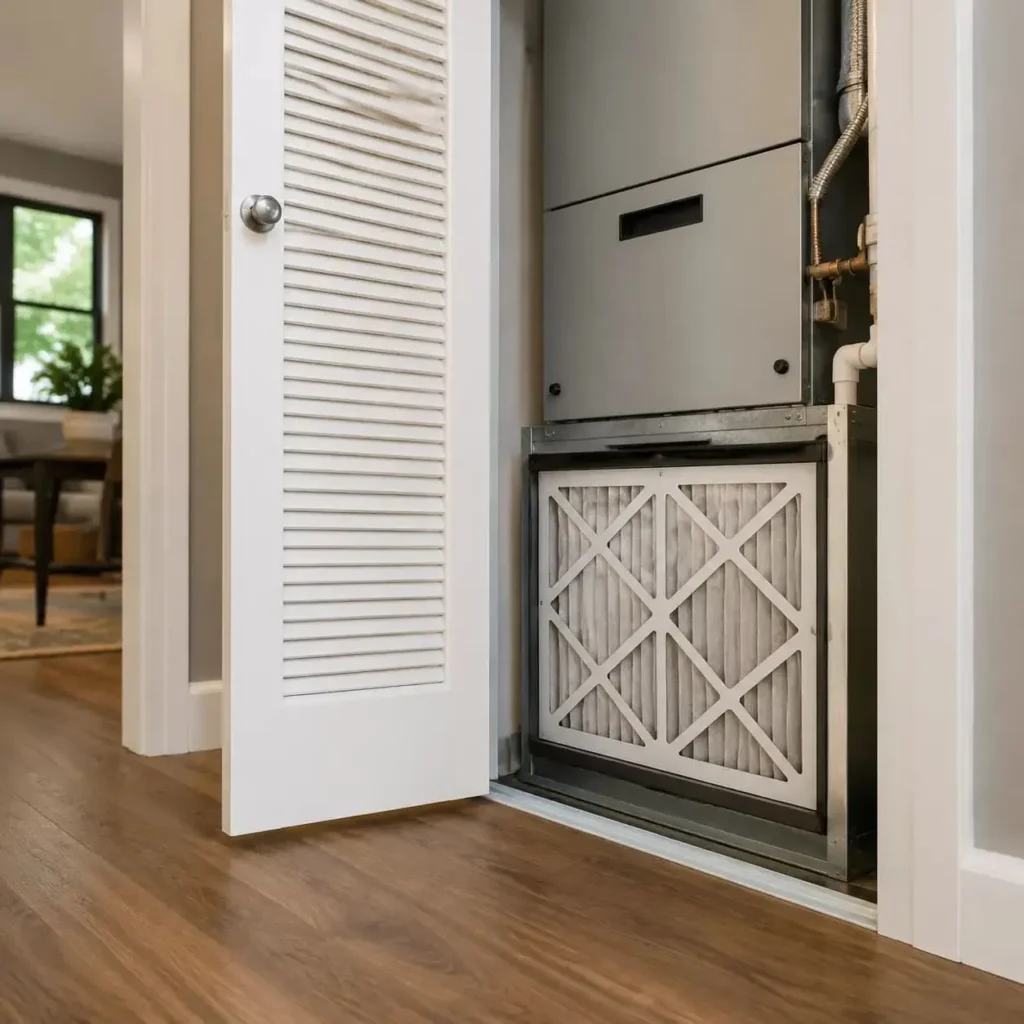
Finding your home air filter is the first step to maintaining a healthy living space and ensuring your HVAC system runs efficiently. As an air filter manufacturer and supplier, we know that filter location can vary widely depending on how your home was built.
Common HVAC Unit and Air Handler Locations
In most residential layouts, the furnace filter is located directly inside or adjacent to the central air handler or HVAC unit. Look for a narrow slot with a removable cover on the intake side of the system.
- Basements and Utility Closets: Check the point where the return duct enters the main unit.
- Attics and Crawlspaces: Horizontal units often house the filter in a built-in slot right before the blower motor.
Checking Your Return Air Vents and Ducts
If your central unit doesn’t have a visible slot, your filter is likely installed behind a return air vent. These are larger than standard supply registers and suck air into the system rather than blowing it out.
- Wall Vent or Ceiling Vent: Look for a large metal grille secured by latches or screws.
- The Return Duct: Once you unlatch the grille, the filter sits directly behind it.
When replacing these, paying attention to the airflow direction is critical to prevent system strain.
Locating Filters in Window AC Units
For rooms utilizing a standalone AC unit, finding the filter is much simpler.
- Front Panel Access: Pop open or slide off the main plastic front grille of the air conditioning system.
- Mesh Filters: The filter is typically a washable mesh screen sliding right out of the front track.
Where Is the Engine Air Filter Located in a Car?
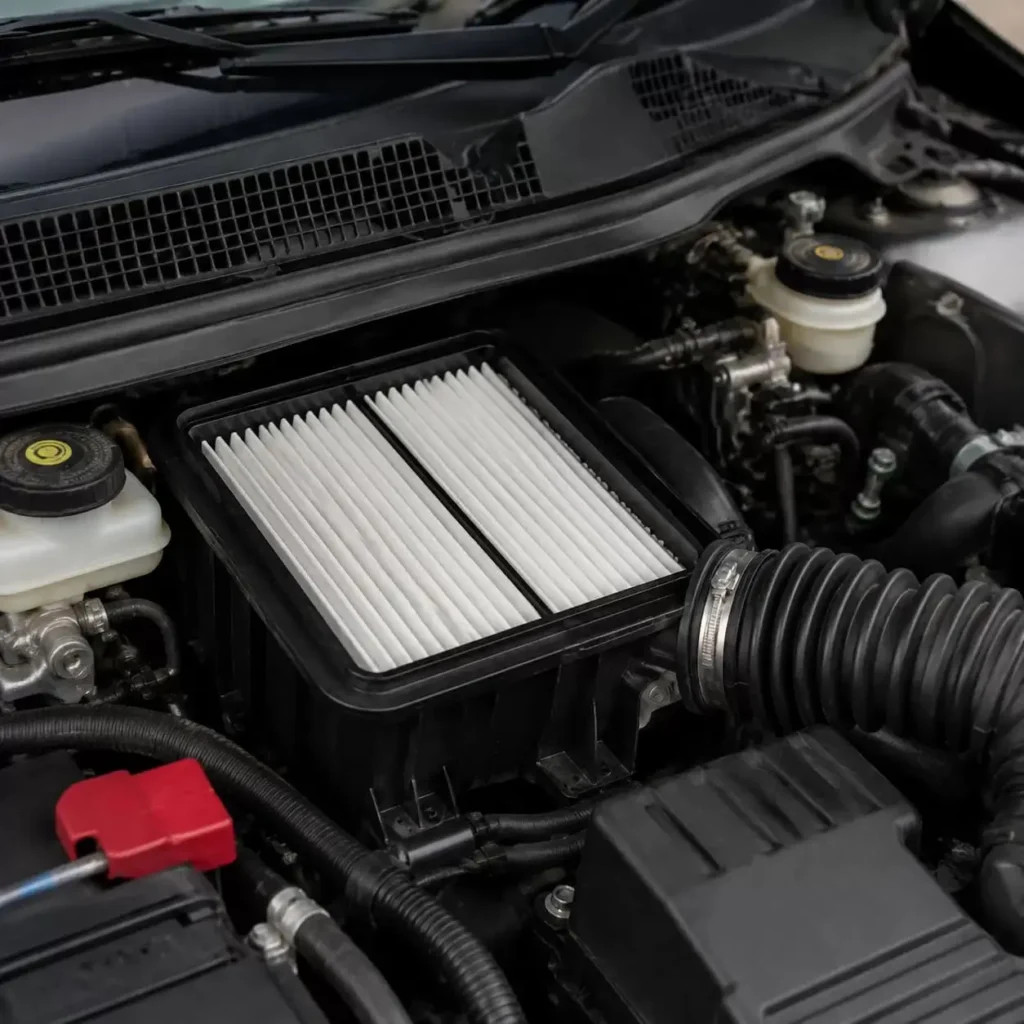
Finding your vehicle’s air filter location doesn’t require a mechanic. As an experienced air filter manufacturer and supplier, we know that keeping these filters clean is the easiest way to protect your engine and maintain optimal fuel efficiency.
Under the Hood: Locating the Engine Air Filter Housing
To find the engine air filter, pop the hood and look for a large black plastic box. It is usually sitting right on top of or next to the engine, connected to a wide, ribbed plastic hose. This housing keeps the filter secure and ensures a tight seal so only clean air enters the engine. On most modern vehicles, you can open this box without any tools by simply unclipping a few metal clamps or loosening a couple of screws.
How to Tell the Difference Between Cabin and Engine Air Filters
It is common to confuse the two filters in your vehicle, but they serve completely different purposes and are located in separate areas.
| Feature | Engine Air Filter | Cabin Air Filter |
|---|---|---|
| Primary Purpose | Cleans air entering the engine to prevent damage and debris buildup. | Cleans the air you breathe inside the passenger cabin. |
| Location | Under the hood inside a black plastic housing box. | Usually behind the glove box or under the dashboard. |
| Appearance | Typically thick, heavy-duty, with a rubber gasket border. | Thinner, lighter, resembling a rectangular pleated paper media. |
| Impact | Affects engine power, fuel economy, and acceleration. | Affects HVAC airflow, heating, and air conditioning comfort. |
If your car’s air conditioning system feels weak or smells musty, the issue is likely inside the vehicle. You can read more about how a clogged cabin air filter affect AC performance and airflow inside the cabin to help troubleshoot the issue. Always check your owner’s manual if you are unsure which housing you have opened.
Step-by-Step Guide: How to Find and Replace Your Air Filter
Replacing your filter is a quick DIY task that keeps your system running smoothly. Here is exactly how to do it safely and efficiently.
Step 1: Turn Off the Power for Safety
Before you do anything, turn off your HVAC system. Find your thermostat and switch it to the “OFF” position. For an extra layer of safety, flip the breaker or use the shut-off switch right next to the air handler. Never attempt to change a filter while the fan is actively running, as this can pull loose debris directly into the system.
Step 2: Locate and Remove the Old Filter
Slide open the latch or unscrew the grill covering the filter slot. Carefully slide the old home air filter out of its housing.
- Tip: Keep a trash bag handy. Old filters accumulate thick layers of dust, pet dander, and allergens that can easily spill onto your floors during removal.
Step 3: Check the Airflow Direction and Correct Size
Take a close look at the old filter before throwing it away. Look for the printed numbers on the frame to confirm the dimensions, or check out our guide on what size air filter do I need to ensure a perfect fit. Next, locate the airflow direction arrow printed on the side of the filter housing or the old filter frame. This arrow dictates which way the air needs to flow through the material to prevent system strain.
Step 4: Install the New Filter Properly
Slide the fresh filter into the slot, making sure the printed arrows on the filter frame point toward the blower motor (the direction the air is being sucked). Ensure the fit is snug with no gaps around the edges. Once secured, close the access panel or latch the grill, turn the power back on, and your system is ready to go.
Essential Air Filter Maintenance Tips
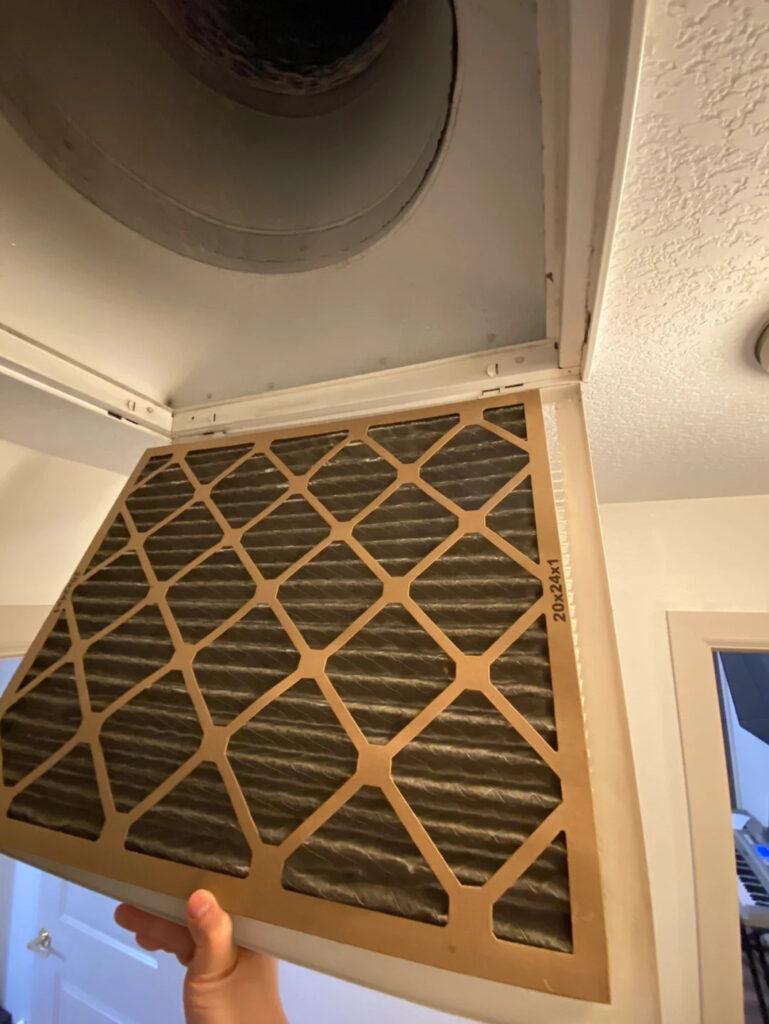
Keeping up with regular HVAC maintenance ensures your system runs efficiently and keeps your indoor air clean. As an experienced air filter manufacturer and supplier, we see firsthand how simple upkeep prevents costly repairs down the road.
How Often Should You Replace Your Air Filter?
There is no one-size-fits-all schedule for changing your home air filter, as it depends heavily on your household environment. Use these general guidelines to stay on track:
- Standard Homes: Every 60 to 90 days.
- Homes with Pets: Every 30 to 60 days to handle pet dander and fur.
- Allergy Sufferers: Every 30 days to maximize indoor air quality.
- Vacation Homes or Single Occupants: Every 6 to 12 months.
If you are unsure which efficiency level fits your household needs, check out our guide on which MERV rating filter should you use for home air quality to optimize your system.
Common Mistakes to Avoid During Replacement
A quick replacement can go wrong if you overlook the details. Avoid these common pitfalls to protect your air conditioning system:
- Wrong Airflow Direction: Installing a furnace filter backward restricts air movement and strains the HVAC unit. Always face the arrow toward the air handler or furnace fan.
- Incorrect Filter Size: A loose fit lets unfiltered air bypass the slot, leading to dust buildup inside the return duct. Always check the exact dimensions printed on your old filter’s frame.
- Buying the Wrong Material: Choosing the cheapest option isn’t always best for furnace performance. Compare options like pleated vs fiberglass air filters to understand how material choice impacts both airflow and filtration efficiency.
- Forgetting the Schedule: Waiting until a filter is visibly choked with gray dust forces your ac unit to work twice as hard, spiking your energy bills.
Frequently Asked Questions About Finding Air Filters
What Should I Do If I Can’t Find My Air Filter?
If you have searched the usual spots and still cannot locate your home air filter, do not panic. First, trace the main ductwork back to the HVAC unit or air handler. Look closely for a narrow slot or removable metal panel right where the return duct meets the main system.
If it is still missing, check your thermostat settings or system manual, or contact a professional technician. Running your system without a filter can cause severe damage to the internal components. In some cases, you might even find that a previous homeowner completely forgot to install one, leaving the filter slot empty.
Are All Home Air Filters Located in the Same Place?
No, home air filter locations vary significantly depending on the design of your HVAC unit and the layout of your house. While some systems house the filter directly inside the air handler, others utilize a centralized return air vent on a wall or ceiling.
It is also common for homeowners to confuse different filtration terms during maintenance. For instance, understanding the difference between a standard air filter vs furnace filter can help you identify exactly what type of system you are dealing with and where its filtration compartment is built.
- Split Systems: Filter is usually located in the indoor air handler cabinet.
- Central Air & Heat: Often found behind the main return air vent grille in a hallway or ceiling.
- Basement/Closet Furnaces: Typically located in a slot on the bottom or side of the furnace intake.