Ever wonder if an air filter vs. a furnace filter is actually the same thing?
It’s a common point of confusion, and getting it wrong can lead to poor indoor air quality or even a total HVAC system breakdown. I’ve spent years maintaining home climate systems, and I’m going to show you exactly how to navigate MERV ratings, choose the right filter materials, and ensure your furnace and AC are running at peak efficiency.
Are Air Filters and Furnace Filters the Same Thing?
When homeowners ask about the difference between an air filter vs furnace filter, the answer is surprisingly simple: in most modern homes, they are exactly the same thing. The terminology largely depends on the season and regional phrasing. During winter, people tend to call it a furnace filter, while in summer, it becomes an AC filter. Regardless of the name, both serve the critical role of protecting your heating and cooling systems while dramatically improving indoor air quality.
Defining Furnace Filters
A furnace filter is traditionally associated with the heating component of your home. Originally, these filters were installed with one primary goal: to protect the internal mechanics of the furnace from airborne debris.
- Primary Function: Blocks dust, hair, and large particles from entering the heating unit.
- System Protection: Prevents the blower motor and heat exchanger from accumulating dirt, which can lead to overheating and costly repairs.
Defining Air Conditioning (AC) Filters
Conversely, AC filters are associated with the cooling cycle. Whether used in central air setups or standalone AC units, these filters are essential for protecting the delicate evaporator coils.
- Primary Function: Captures airborne contaminants before they reach the cooling components.
- Efficiency Maintenance: Keeps coils clean to prevent freezing, ensuring the system cools the home efficiently without overworking the compressor.
Interchangeability in Common HVAC Systems
Today, the vast majority of residential properties utilize central HVAC systems that share the same ductwork and air handler for both heating and cooling. Because the circulating air passes through the exact same return air filter regardless of whether the heater or air conditioner is running, the filters are completely interchangeable.
- Shared Infrastructure: Both heating and cooling cycles rely on a single air handler and a shared filter slot.
- Universal Sizing: Various HVAC filter types are standardized to fit seamlessly into this shared system.
- Year-Round Application: You do not need to buy a different product for winter and summer; you simply replace the same type of filter year-round to capture pollutants and maintain peak system performance.
How Your Home Heating and Cooling System Uses Filters
As a furnace filter manufacturer, we often see confusion about how residential HVAC systems actually process air. Understanding your specific setup is the first step in solving the air filter vs furnace filter debate.
Single Filter Setups (Most Common)
In most modern homes, heating and cooling systems are combined into one central HVAC unit. This setup relies on a single air handler to push conditioned air throughout the house.
- One system, one filter: The circulating air is pulled through a single return air filter before it reaches the internal components.
- Year-round use: You use the exact same filter slot whether you are blasting the AC in July or running the heater in December.
- Simplified maintenance: You only need to track and replace air filter units for one central location.
Dual Filter Setups and When They Are Used
Larger homes or older properties sometimes use dual setups. You might encounter this if your home has separate systems for different floors or distinct heating and cooling units.
- Standalone units: A property might have a radiant heat system alongside standalone AC units in the attic, requiring completely separate AC filters.
- Multiple return vents: Some central HVAC systems feature a main filter at the air handler, plus additional filters located behind individual return grilles in the walls or ceilings to capture pollutants earlier.
Do the AC and Heater Share a Filter?
For the vast majority of central heating and cooling systems, the answer is yes. The AC and heater share the exact same filter. Because the system uses the same ductwork and blower motor year-round, the filter does double duty. It protects the sensitive internal components from dust and debris while improving your indoor air quality by trapping pet dander, dust, and pollen.
Because this shared filter works constantly, regular maintenance is critical. If you leave it in too long across changing seasons, you will quickly discover why your air filter turns black from accumulated dirt and restricted airflow. Keeping a fresh filter in your shared system ensures both your furnace and air conditioner run all year round efficiently.
Key Differences in Filtration Needs: Heating vs. Cooling
When comparing an air filter vs furnace filter, the core difference lies in what part of the equipment they protect during different seasons. As an air filter manufacturer, we design these filters to handle the specific airflow and protection demands of both cycles within central HVAC systems.
Functions of a Furnace Filter
During the winter months, your furnace filter works to protect the heat exchanger and blower motor from harmful debris.
- Prevents Fire Hazards: Keeps dust and debris off hot heating elements.
- Protects the Blower: Ensures the motor doesn’t overwork while pushing heavy, warm air.
- System Cleanliness: Designed to capture pollutants before they bake onto internal components and circulate through your home.
Functions of an AC Return Air Filter
In the summer, the return air filter shifts its focus to protecting your cooling equipment and managing moisture.
- Protects Evaporator Coils: Prevents dirt from coating the damp coils, which is the primary cause of coils freezing solid.
- Maintains Optimal Airflow: Ensures enough circulating air reaches the air handler to cool the home efficiently.
- Boosts Indoor Air Quality: Actively traps summer allergens like dust and pollen, keeping the air fresh.
Consequences of Using the Wrong Filter
Using the incorrect filter type, the wrong size, or an overly restrictive material can severely damage your heating and cooling systems.
| Filter Mistake | Impact on Heating (Furnace) | Impact on Cooling (Central AC) |
|---|---|---|
| Too Restrictive or Clogged | Overheats the heat exchanger, triggering automatic system shutdowns. | Restricts airflow so severely that it can cause your AC to stop cooling entirely. |
| Wrong Filter Size | Allows dust to bypass the filter, burning on heating elements and creating odors. | Dirt bypasses the filter and coats damp AC coils, leading to rapid mold growth. |
| Low-Quality Material | Fails to capture pollutants, increasing mechanical wear on the blower motor. | Spreads pet dander and dust right back into your living space. |
To keep your equipment running smoothly and avoid expensive repairs, you must replace air filter units on schedule using the exact specifications required by your system.
Understanding MERV Ratings for Your HVAC System
What is a MERV Rating?
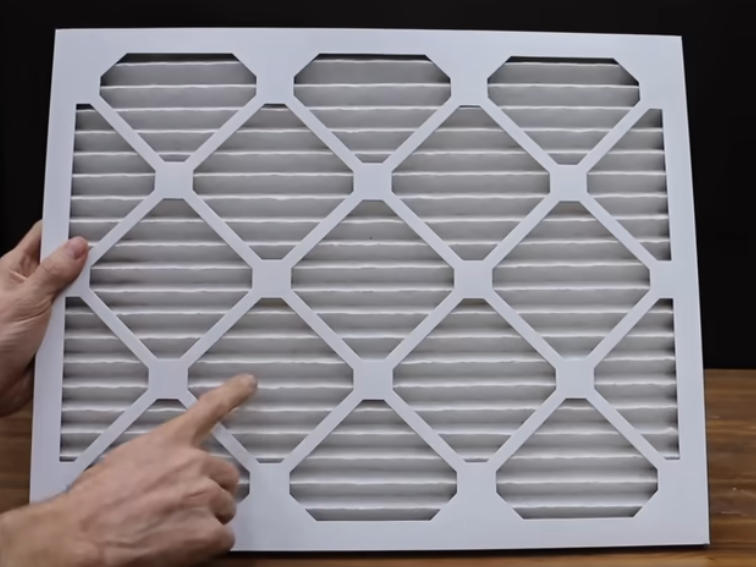
When looking at an air filter vs furnace filter, you will inevitably come across the term MERV. MERV stands for Minimum Efficiency Reporting Value. It is the universal industry standard used to measure how effectively a filter can capture pollutants from your circulating air. The scale typically runs from 1 to 16 for residential use. A higher MERV rating means the filter is woven more tightly and can trap much smaller particles, such as fine dust, pollen, and pet dander. To fully understand how this scale impacts your indoor air quality, our complete guide to MERV ratings breaks down exactly what each number means for your home.
Ideal MERV Ratings for Furnaces
For heating systems, maintaining proper airflow is just as critical as trapping dirt. If you install a furnace filter with a rating that is too high, the dense material restricts air movement. This forces the blower motor to work harder and can cause the furnace to overheat.
Here is a quick breakdown for furnaces:
- MERV 1-4: Basic fiberglass filters. They protect the furnace from large debris, but do very little for indoor air quality.
- MERV 7-11: The ideal range for most residential HVAC systems. Using a high-quality MERV 7 filter strikes the perfect balance—it protects your furnace components while effectively reducing household dust and allergens.
- MERV 12+: Generally too restrictive for standard, older furnaces unless your system is specifically rated for high-efficiency filtration.
Ideal MERV Ratings for AC Units
Because central AC units and furnaces usually share the same air handler and ductwork, the filtration rules are very similar. However, restricted airflow in an AC system leads to a different problem: frozen evaporator coils. When choosing AC filters, you need a material that keeps the coils clean without choking the system.
Here is what works best for cooling:
- MERV 8: The go-to standard for most homes. It easily handles dust mites and pollen without putting stress on the AC unit.
- MERV 11-12: A great upgrade for households with pets or allergy sufferers, offering near air purifier levels of filtration while still allowing adequate airflow in modern central HVAC systems.
- MERV 13 and above: Primarily used in commercial buildings, hospitals, or specialized whole-house air cleaners designed to push air through dense media.
Air Filter vs. Air Purifier: What is the Difference?
When upgrading residential HVAC systems, many homeowners confuse standard filters with air purifiers. While both handle circulating air, their primary goals are completely different. One protects your equipment, while the other protects your lungs.
How Standard HVAC Filters Work
Whether you are debating an air filter vs furnace filter, standard HVAC filters serve the exact same baseline function. They sit in the return air filter slot or air handler to catch debris before it damages the internal blower motor.
- Primary Goal: Protect heating and cooling systems from mechanical failure.
- What They Catch: Large dust and pollen, hair, and visible debris.
- Limitations: Standard AC filters with a low MERV rating will not capture microscopic pollutants or improve indoor air quality significantly.
Whole-House Air Cleaners and Purifiers
Air purifiers are designed specifically for human health. Instead of just protecting the central AC or furnace, they actively scrub the air of microscopic contaminants. You can install whole-house air cleaners directly into your central HVAC systems for complete furnace air purification, or use standalone units for specific rooms.
If your goal is to eliminate microscopic threats, upgrading to specialized air purifier filters is the most effective solution for your home.
Quick Comparison Table
| Feature | Standard HVAC Filter | Air Purifier |
|---|---|---|
| Main Purpose | Protects the HVAC equipment | Improves indoor air quality |
| Target Particles | Large dust, lint, hair | Pet dander, smoke, bacteria, VOCs |
| Placement | Air handler or return vent | Standalone units or integrated into ducts |
| Maintenance | Replace air filter regularly | Requires specific HEPA or carbon replacements |
As an air filter manufacturer, we always advise matching the right tool to your specific needs. If you just need to keep your system running smoothly, standard HVAC filter types are sufficient. If you suffer from allergies, a dedicated purifier is the necessary upgrade to capture pollutants effectively.
Complete Buying Guide: Choosing the Right Filter
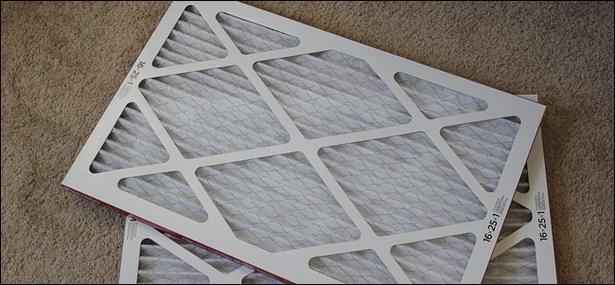
When navigating the air filter vs furnace filter decision, making the right purchase comes down to understanding your specific setup. As an air filter manufacturer, we know that selecting the perfect replacement ensures efficient operation for your heating and cooling systems while maintaining optimal indoor air quality.
Determining the Correct Filter Size
Getting the exact filter size is non-negotiable. A filter that is too small allows dirty air to bypass the media, while one that is too large simply will not fit into your air handler.
- Check the current filter: Look at the printed dimensions on the cardboard frame of your existing return air filter.
- Measure the slot: Grab a tape measure and check the length, width, and depth of the filter housing.
- Nominal vs. Actual: Remember that the printed (nominal) size is usually about half an inch larger than the actual physical dimensions.
Filter Materials: Pleated vs. Fiberglass
Understanding different HVAC filter types is crucial for system performance and air cleanliness.
- Fiberglass Filters: These are basic, flat-panel filters. They are inexpensive and protect your central HVAC systems from large debris, but they do very little to improve the air you breathe.
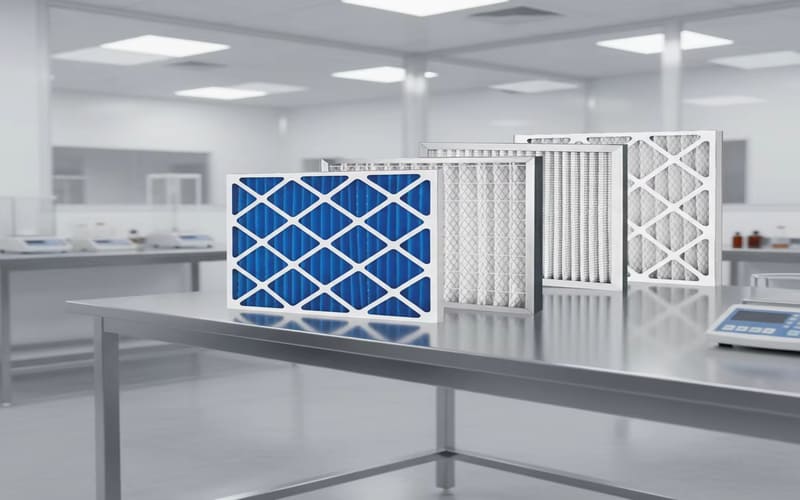
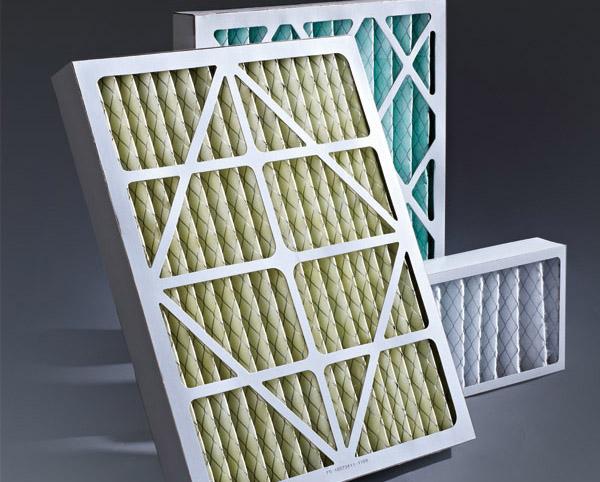
- Pleated Filters: Made from synthetic materials folded into pleats, these have a much larger surface area to capture pollutants like dust and pollen effectively. If you are evaluating your options, comparing pleated vs fiberglass air filters clearly shows that pleated options offer far superior filtration and longevity for modern residential HVAC systems.
Key Factors to Consider Before Purchasing
Before you replace your air filter, evaluate these core factors to match your household needs:
- MERV Rating: Choose a rating that balances airflow with filtration power. Most homes perform best with a MERV 8 to MERV 11 filter.
- Household Occupants: If you have dogs or cats, you need a filter specifically designed to trap pet dander and hair efficiently.
- Health Concerns: For severe allergies or asthma, look for higher-efficiency filters capable of capturing microscopic irritants.
- System Compatibility: Ensure your air handler can push circulating air through higher-rated filters without straining the blower motor. Thicker filters generally provide better airflow and longer lifespans than standard 1-inch options.
HVAC Filter Maintenance and Replacement Guide
Proper maintenance is the great equalizer in the air filter vs furnace filter discussion. No matter what you call it, keeping your filter clean is non-negotiable for system health.
How to Locate Your Furnace or Air Filter
Finding your filter is the first step to better indoor air quality. In most residential HVAC systems, the filter slot is located exactly where the return air duct connects to the main air handler. Look for a narrow slit with a removable cover near the blower compartment. If you have a large central AC setup or a system located in an attic or basement, you might also find filters housed directly behind the large return air grilles on your walls or ceilings.
How Often Should You Change Your Filters?
Knowing exactly how often to change your air filter keeps your heating and cooling systems running efficiently. As an air filter manufacturer, we recommend replacing standard 1-inch disposable filters every 30 to 90 days.
Your replacement schedule should accelerate under these conditions:
- High Traffic: Homes with multiple occupants or frequent guests.
- Pets: Fur and pet dander clog filters rapidly, requiring monthly changes.
- Allergies: If you rely on your system to capture pollutants like dust and pollen, swap the filter every 30 days.
- Continuous Operation: Running your central HVAC systems constantly during extreme summer heat or winter cold pushes more circulating air through the material, shortening its lifespan.
Signs It is Time for a Replacement
Do not wait for your system to break down before you replace your air filter. Watch for these clear indicators that your current filter has reached its limit:
- Visible Dirt and Grime: Pull the filter out. If the material looks dark gray, completely opaque, or heavily coated in dust, throw it away.
- Reduced Airflow: Weak air blowing from your vents means the system is struggling to push air through a blocked filter.
- Spiking Energy Bills: A clogged filter forces the blower motor to work much harder, directly increasing your monthly electricity costs.
- Excessive Indoor Dust: If your furniture gets dusty much faster than usual, your filter is no longer trapping airborne particles effectively.