Is It Better To Buy Cheap AC Filters? Fiberglass vs. Pleated Air Filters
When you walk down the home maintenance aisle, you are faced with a choice: grab the budget-friendly fiberglass filters or invest in premium air filters? It is a common dilemma. Many homeowners wonder if spending more actually makes a difference for their heating and cooling system, or if the inexpensive options are good enough. As an AC filter manufacturer, we know exactly how these choices impact both your wallet and your indoor comfort. Let’s break down the basics so you can make the right call for your home.
What Are “Cheap” Filters?
“Cheap” filters almost always refer to standard fiberglass filters. These are the thin, see-through, spun-glass models wrapped in a cardboard frame. They are designed with a very loose weave to capture only the largest particles.
- Primary Purpose: Their main job is to stop massive dust bunnies and debris from physically damaging your HVAC system.
- Filtration Level: Extremely low. They do almost nothing to clean the air you breathe.
- Lifespan: Very short. They clog quickly or lose effectiveness within 30 days.
What Are “Premium” Filters?
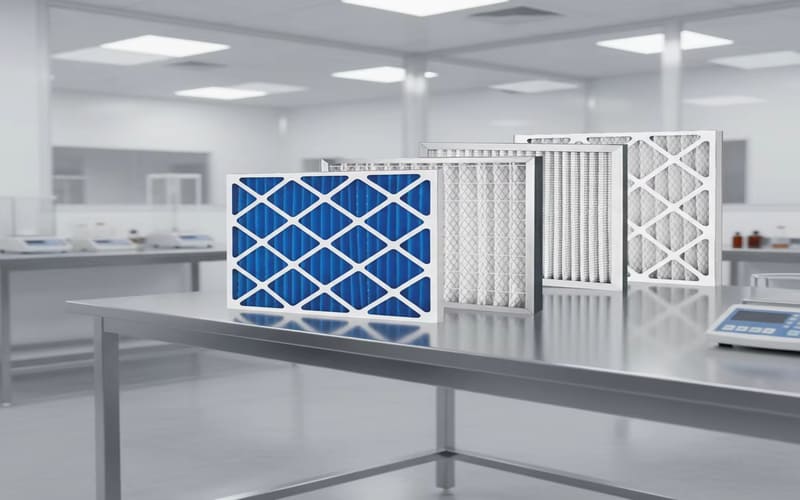
Premium air filters are typically pleated filters made from synthetic materials like polyester or cotton. The pleated design creates a folded, accordion-like structure that massively increases the surface area available to catch particles.
- Primary Purpose: These protect both your central AC equipment and your health by trapping microscopic airborne irritants.
- Filtration Level: High to excellent. They are highly effective at allergen reduction.
- Lifespan: Durable. They efficiently capture dust and debris for up to 90 days without collapsing.
Decoding the Metrics
Understanding furnace filters requires knowing how they are measured. Different brands use different rating scales to define their filtration level, which can get confusing. Here is a quick reference table to help you compare the metrics:
| Rating System | What It Stands For | How It Works |
|---|---|---|
| MERV rating | Minimum Efficiency Reporting Value | The industry standard scale (1 to 16). Higher numbers mean tighter particle filtration. |
| MPR | Microparticle Performance Rating | Used by 3M/Filtrete. Focuses on the ability to capture microscopic particles between 0.3 and 1 micron. For example, an mpr 1300 rating offers robust defense against indoor allergens. |
| FPR | Filter Performance Rating | Used by The Home Depot. A 1-10 scale based on weighted performance against various particle sizes. |
Choosing the right metric ensures you balance your home’s air quality needs with the specific operational demands of your HVAC system.
The Hidden Costs of Ultra-Cheap AC Filters
1. Zero Protection for Indoor Air Quality
When you buy cheap AC filters made of spun fiberglass, you are essentially putting up a wire fence to stop dust. These low-grade filters only catch the largest debris, like lint and hair, while letting fine dust, pet dander, and indoor allergens pass right through. This lack of particle filtration means your family breathes in those contaminants, drastically lowering your indoor air quality and triggering allergies.
2. Accelerated Filter Replacement Frequency
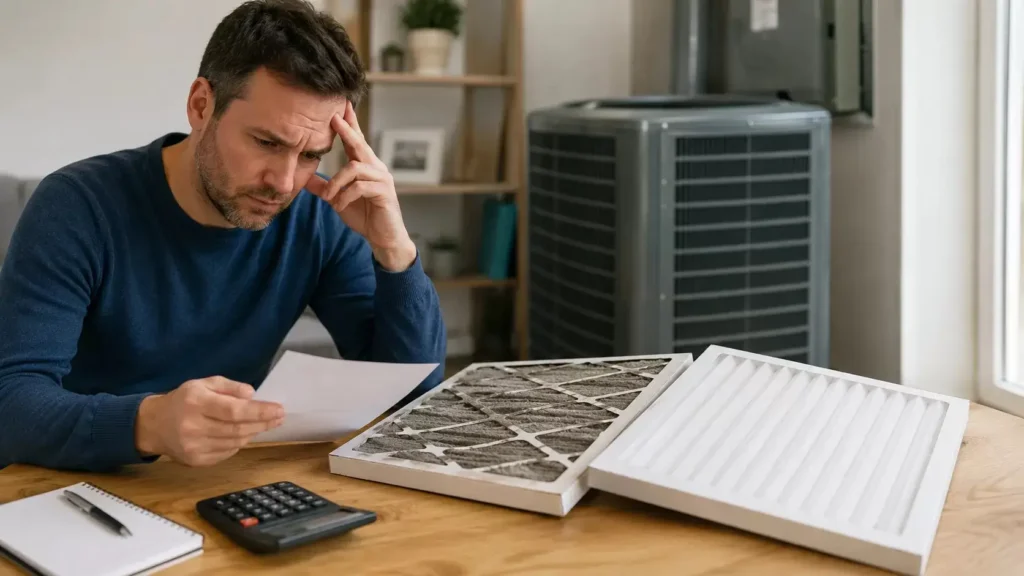
Ultra-cheap filters have a remarkably short filter lifespan. While a quality pleated option lasts up to three months, thin fiberglass filters clog up within 30 days or less. If you do not handle this basic home maintenance on time, the filter stops working entirely. Buying a $2 filter seems economical upfront, but when you have to replace it three to four times as often, the cost and hassle quickly add up to match premium alternatives.
3. Long-Term Damage to Your HVAC System
The worst damage happens hidden away inside your heating and cooling setup. When cheap filters let dust and debris slip past, that grime settles directly onto your AC coils and motor. This buildup forces your central AC to work twice as hard, leading to severe airflow restriction and higher utility bills. Over time, this neglect causes component failure, saddling you with massive repair bills or requiring a premature replacement of your entire HVAC system. Investing in proper hvac air intake filters saves money and improves efficiency by keeping these vital parts clean.
| Filter Type | Price | Allergen Reduction | Lifespan | Impact on HVAC |
|---|---|---|---|---|
| Ultra-Cheap Fiberglass | Extremely Low | None | 30 Days | High Risk of System Damage |
| Premium Pleated | Moderate | High | 90 Days | Protects and Optimizes System |
The Pitfalls of Going “Too Premium”: The Airflow Restriction Trap
The Misconception: High MERV/Thicker Filters are Always Better
Many homeowners assume that buying the highest filtration level possible is the best choice for their heating and cooling system. It seems logical: a higher rating should mean cleaner air. However, upgrading to ultra-dense or thicker filters without checking your system’s specifications can backfire. While these filters are excellent at trapping microscopic dust and debris, their tightly woven fibers create massive resistance against the moving air. To understand how these ratings impact your equipment, it helps to read our complete guide to MERV air filter ratings.
The Danger of Suffocating Your System
When you install a filter that is too restrictive, you are essentially suffocating your HVAC system. A central AC requires a specific volume of steady airflow to operate safely. When a high-MERV filter blocks that flow, it creates severe airflow restriction. This forces the fan motor to work twice as hard to pull air through the dense material. Over time, this extra strain leads to:
- Frozen Evaporator Coils: Lack of airflow causes the coils to drop below freezing, turning your AC into a block of ice.
- Blower Motor Burnout: The motor overheats from fighting the high resistance, leading to an expensive emergency filter replacement and system repair.
- Cracked Heat Exchangers: In the winter, restricted airflow causes furnace filters to trap too much heat, risking system failure.
The Impact on Utility Bills
A suffocated system is an inefficient one. When your heating and cooling equipment has to fight against severe resistance, it runs longer cycles to reach the temperature set on your thermostat. This constant straining drains an immense amount of electricity.
| Filter Selection | Airflow Efficiency | Impact on Energy Bills |
|---|---|---|
| Standard Pleated (Optimal) | High / Unrestricted | Normal / Stable Costs |
| Overly Dense / High-MERV | Low / Restricted | Severe Spike in Utility Bills |
Going “too premium” without a system designed for it directly translates to higher monthly utility bills and a shortened equipment lifespan. True home maintenance isn’t about buying the heaviest filter on the shelf; it is about balancing high-quality allergen reduction with the structural airflow limits of your specific machine.
The Ultimate Solution: Finding the Sweet Spot with Komtfil
Why Balance Matters
Choosing the right filtration level for your HVAC system is a balancing act. If you go too cheap, you risk breathing in dust and debris while leaving your equipment unprotected. Go too restrictive, and you choke your system’s airflow, spiking your utility bills and risking a costly breakdown. To maintain peak energy efficiency and healthy air quality, you need a filter that captures harmful indoor allergens without suffocating your heating and cooling equipment.
Introducing Komtfil Premium Air Filters
As an air filter manufacturer, we engineered Komtfil premium air filters to solve this exact dilemma. We designed our high-efficiency pleated filters to maximize surface area, delivering exceptional particle filtration while maintaining incredibly low resistance to airflow. Unlike flat, basic fiberglass options, Komtfil filters trap everything from pet dander and lint to microscopic pollen, all without forcing your central AC to work overtime. When evaluating different styles for your home, understanding the structural differences between pleated vs. fiberglass air filters can help you make the right choice for your system’s longevity.
The Recommended Standard
For the vast majority of residential homes, we recommend a MERV 8 to MERV 11 rating as the absolute sweet spot for daily home maintenance. This range provides robust allergen reduction and protects your furnace filters from heavy dust buildup, balancing clean air with smooth system performance.
| Filter Attribute | Standard Minimum | Komtfil Premium Standard |
|---|---|---|
| Filter Lifespan | 30 Days | Up to 90 Days |
| Capture Efficiency | Large debris only | Dust, pollen, pet dander, & mold spores |
| Airflow Resistance | Low | Optimized/Low |
| Material Integrity | Flimsy/Sagging | Reinforced wire-backed pleats |
Upgrading to a balanced pleated filter means fewer filter replacements, lower maintenance costs, and a healthier home environment.
Decision Matrix: Is It Better To Buy Cheap AC Filters For Your Home?
Choosing the right filtration level comes down to your household’s specific health needs and budget. While we manufacture high-efficiency options, we know that every home heating and cooling setup has different demands.
Use this quick guide to determine whether you can get away with basic options or if you need to upgrade to premium air filters.
When Cheap/Basic Filters Are Acceptable
Cheap fiberglass filters offer minimal particle filtration, but they do serve a specific purpose. You can opt for basic filters if you meet the following criteria:
- No Pets or Allergies: No one in the home suffers from asthma, severe respiratory issues, or seasonal allergies.
- Vacant or Rental Properties: The home is a rarely used vacation property or a temporary flip where long-term air quality isn’t a priority.
- Maximum Airflow is the Only Goal: Your older HVAC system has a weak blower motor that easily suffocates under any resistance.
Note: Basic filters only catch large dust and debris to keep the system mechanicals running. They will not clean your breathing air.
When Premium Pleated Filters Are Mandatory
For the vast majority of modern homes, investing in high-quality pleated filters is the standard for proper home maintenance. Upgrading is highly recommended under these conditions:
- Pets in the House: You need effective allergen reduction to capture pet dander, fur, and outdoor tracking.
- Respiratory Sensitivity: Family members require a higher MERV rating filter for home air quality to trap smoke, pollen, and microscopic dust.
- HVAC Longevity: You want to protect your central AC coils from getting caked in grime, preventing expensive breakdowns and high utility bills.
Quick Comparison Matrix
| Household Feature | Cheap Fiberglass Filters | Komtfil Premium Pleated Filters |
|---|---|---|
| Primary Protection | Large debris only | Microscopic dust, dander, & allergens |
| Average Lifespan | 30 days | 60 to 90 days |
| Air Quality Impact | Low (allows small particles to recirculate) | High (noticeable indoor allergen reduction) |
| System Protection | Minimum | Maximum |
Pro-Tips for Optimizing Your Filter Lifespan
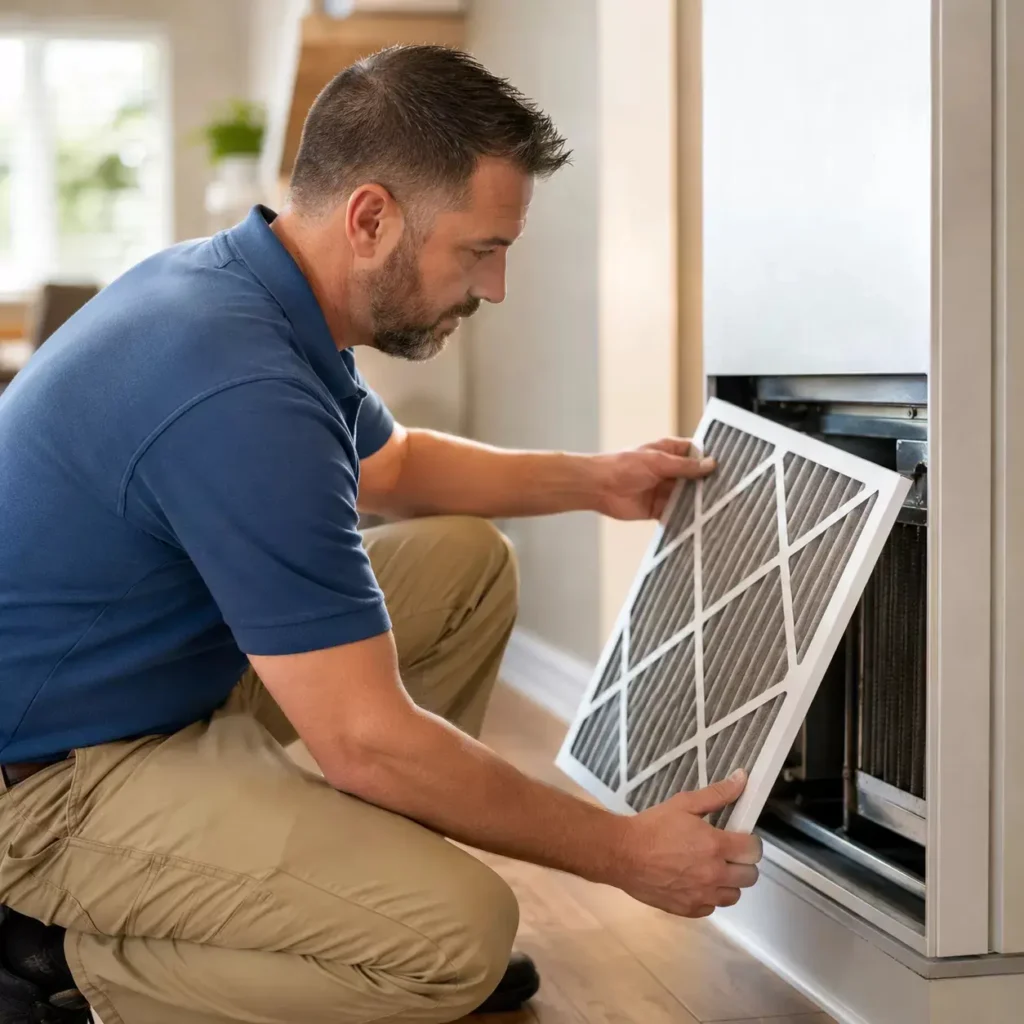
Maximizing your filter lifespan isn’t just about saving a few bucks—it is about keeping your HVAC system running at peak efficiency while maintaining pristine air quality. As a manufacturer, we see firsthand how proper maintenance prevents premature wear and tear. Use these operational strategies to get the most out of your heating and cooling setup.
The Calendar Rule
Do not wait for a drop in airflow to check your furnace filters. A strict calendar schedule keeps your system breathing easy.
- Fiberglass Filters: Check every 30 days. These thin barriers clog rapidly under standard use.
- Premium Air Filters (1-inch Pleated): Inspect every 60 to 90 days.
- Thicker Filters (4-inch Media): Inspect every 6 to 9 months.
Setting a recurring phone reminder on the first of the month ensures you never skip a vital filter replacement.
Seasonal Adjustments
Your heating and cooling demands change with the weather, meaning your filter replacement schedule must adapt. Heavy usage cycles directly accelerate the accumulation of dust and debris.
| Season | HVAC Usage | Inspection Frequency | Key Focus Area |
|---|---|---|---|
| Spring | Moderate | Every 45 Days | Allergen reduction and capturing high pollen counts. |
| Summer | Heavy (Peak Central AC) | Every 30–60 Days | Preventing airflow restriction during high-heat cycles. |
| Autumn | Moderate | Every 45 Days | Clearing out ambient dust before winter hits. |
| Winter | Heavy (Furnace Peak) | Every 30–60 Days | Maintaining steady heat exchange across the coils. |
During peak summer and winter, indoor allergens and pet dander accumulate twice as fast. If you notice heavy dust buildup during these high-demand months, swap the filter immediately to avoid stressing the system.
The Golden Rule of HVAC Care
The ultimate rule of home maintenance is simple: Never prioritize high particle filtration at the expense of system airflow. Achieving a high filtration level means nothing if your system is suffocating. If you use a high-MERV pleated option, check it frequently to ensure it is not causing an extreme pressure drop. For specialized applications where alternative tech is used, understanding how different media types manage airflow is crucial. For instance, comparing a standard setup to an electrostatic air filter can show you how static charges capture particles without choking your system.
Pro-Tip: If your AC fan is running constantly, your filter is working 24/7. Cut your estimated replacement window in half to protect the blower motor from burnout.
Frequently Asked Questions (FAQ)
Can I run my AC without a filter for a few days if I run out?
Running your central AC without a filter is risky, even for a short period. The filter’s primary job is to protect the internal components of your HVAC system from dust and debris. Without it, particles settle directly on the evaporator coils, leading to ice buildup or a total system breakdown. If you are currently in this situation, you should understand the risks of running an air conditioner without a filter before turning the unit back on.
Do thicker filters last longer than standard 1-inch filters?
Yes. Thicker filters, such as 4-inch or 5-inch media filters, generally have more surface area to trap particles without causing immediate airflow restriction. While a standard 1-inch filter usually requires a filter replacement every 30 to 90 days, a high-quality 4-inch filter can often last between 6 to 12 months, depending on your home’s air quality.
How do I know what exact size and MERV rating my system requires?
Finding the right fit is critical for efficiency. You can typically find the dimensions printed on the side of your current filter. For the MERV rating, check your owner’s manual or the label on the air handler itself. Most residential systems perform best with a filtration level between MERV 8 and MERV 11. To ensure a perfect seal and prevent bypass air, follow our complete guide on what size air filter you need to measure your intake correctly.
| Question | Short Answer |
|---|---|
| No Filter? | Avoid it; causes coil damage. |
| Thicker Filters? | Yes, they have a longer filter lifespan. |
| Correct Size? | Check the filter frame or manual. |
| Best MERV? | MERV 8-11 is the “sweet spot.” |