Average Cost of a Cabin Air Filter Replacement
Maintaining pristine air quality inside your vehicle is one of the most affordable yet impactful maintenance tasks you can perform. On average, a professional cabin air filter replacement typically costs between $40 and $100. This price varies based on the filter technology you choose and whether you opt for professional installation or a DIY approach.
Estimated Price for the Filter Part
As a primary manufacturer of high-grade filtration solutions, we categorize part costs based on the filter media’s complexity. The price for the component alone generally falls within these ranges:
- Standard Particulate Filters: $15 – $25 (Best for basic dust and pollen).
- Activated Carbon Filters: $25 – $40 (Essential for neutralizing odors and exhaust fumes).
- HEPA Filters: $40 – $60 (Medical-grade filtration for allergens and microscopic pollutants).
Labor Costs at Dealerships vs. Independent Shops
The installation fee is largely determined by the accessibility of the filter box. While many vehicles house the filter behind the glove box, some European models require more intensive labor.
- Dealerships: Expect to pay $50 – $80 for labor. Dealerships often use a fixed-rate menu for maintenance, which can result in a higher markup.
- Independent Repair Shops: Typically charge $20 – $40. These shops often provide a more competitive repair estimate to earn your loyalty for larger mechanical work.
- Quick Lube Centers: Often charge a flat fee of $15 – $30 if purchased alongside an oil change.
Total Cost Breakdown for Most Vehicles
For most consumer vehicles, the total expenditure is a balance between part quality and service convenience. Below is a snapshot of what you can expect to pay in today’s market:
| Service Provider | Part Cost | Labor Cost | Total Estimated Price |
|---|---|---|---|
| DIY (Direct Purchase) | $15 – $45 | $0 | $15 – $45 |
| Independent Shop | $20 – $40 | $20 – $35 | $40 – $75 |
| Dealership | $30 – $55 | $45 – $75 | $75 – $130 |
By choosing high-quality aftermarket parts and performing the installation yourself, you can maintain your HVAC system for a fraction of the dealership’s quote.
Factors That Influence Cabin Air Filter Pricing
When I look at how much should a cabin air filter cost, I see that the price isn’t just a random number. It’s determined by the technology inside the filter and how much work it takes to get it into your car. Understanding these variables helps you avoid overpaying at the shop.
Material Type: Standard, Carbon, and HEPA Filters
The filter media used is the primary reason prices vary. You aren’t just paying for a frame; you’re paying for the science that cleans your air.
- Standard Particulate Filters: These are the most budget-friendly. They use a paper or synthetic mesh to catch dust and pollen.
- Activated Carbon Filters: These contain a layer of charcoal to soak up smells, smoke, and smog. I often suggest these for city drivers; you can see the performance difference in our breakdown of carbon vs. standard air filters.
- HEPA Filters: This is the premium tier. They trap 99.97% of particles, including microscopic allergens and bacteria. For those with severe allergies, comparing HEPA vs. carbon filters is essential to justify the higher investment.
OEM vs. Aftermarket Brand Pricing
There is a significant price gap between “Original Equipment Manufacturer” (OEM) parts and aftermarket parts.
- OEM Parts: These come in a branded box (like Ford or Toyota) and usually carry a 30% to 50% markup because they are “official.”
- Aftermarket Brands: Many of these are made in the same factories as OEM parts. I’ve found that choosing a reputable aftermarket brand provides the same protection for your HVAC system without the dealership tax.
Vehicle Make and Model Complexity
The physical design of your vehicle dictates the final price, especially if you aren’t doing a DIY replacement. While the glove box location is standard for many cars, some designs make access difficult.
| Vehicle Type | Access Difficulty | Labor Cost Impact |
|---|---|---|
| Economy Sedan | Simple (Clip-on) | Very Low / $0 DIY |
| Luxury SUV | Moderate (Screw-in) | Low to Medium |
| Select European Models | High (Panel Removal) | High Professional Fee |
If your filter is buried deep under the dashboard or requires removing the windshield cowl, the professional installation fee will quickly outpace the cost of the actual part. For most common vehicles, however, the labor should remain a minor factor if you know where to look.
Comparing Different Types of Cabin Air Filters
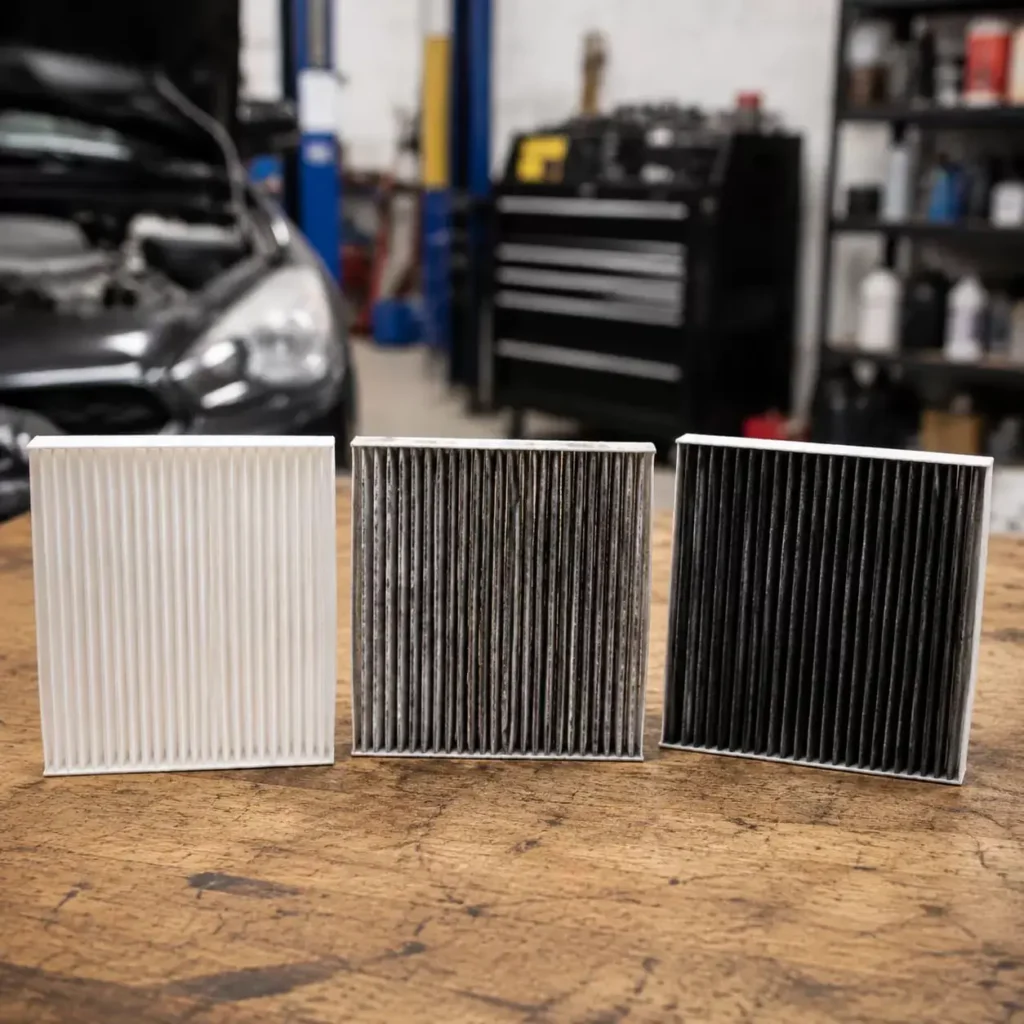
When figuring out how much should a cabin air filter cost, you have to look closely at the filter media. The material used determines how well the unit traps pollutants and, ultimately, the price you pay at the counter. Choosing the right type depends on your local environment and how sensitive you are to smells or allergies.
Activated Charcoal and Carbon Filters for Odor Control
If you frequently drive in heavy traffic or near industrial areas, an activated carbon filter is the best investment. Unlike standard paper filters, these contain a layer of treated charcoal that chemically traps harmful gases, exhaust fumes, and unpleasant smells.
- Main Benefit: Neutralizes odors and absorbs volatile organic compounds (VOCs).
- Price Impact: Usually costs $10–$20 more than a basic particulate filter.
- Best For: Urban commuters and pet owners.
By understanding what does a cabin air filter do beyond just stopping dust, you can see why the extra cost for carbon media is often justified for better cabin comfort.
HEPA Filters for Superior Air Quality
For those with severe allergies or respiratory issues, HEPA filters (High-Efficiency Particulate Air) are the gold standard. These are designed to trap 99.97% of particles as small as 0.3 microns, including mold spores and fine bacteria.
- Filtration Level: Hospital-grade air cleaning for your vehicle.
- Cost Factor: These are the most expensive disposable options on the market.
- Performance: Significantly improves overall air quality compared to any other filter type.
Washable and Reusable Cabin Air Filters
If you plan on keeping your vehicle for several years, a washable filter might be the most cost-effective choice. Brands like K&N offer robust filters that you can clean and reinstall rather than throwing them away.
- Long-Term Value: You pay a higher price upfront, but never have to buy another filter.
- Maintenance: Requires a cleaning kit and a bit of your time every 12 months.
| Filter Type | Average Price Range | Performance Level | Life Span |
|---|---|---|---|
| Standard Particulate | $15 – $25 | Basic (Dust/Pollen) | 12,000 Miles |
| Activated Carbon | $25 – $45 | High (Odors/Smog) | 12,000 Miles |
| HEPA Filter | $40 – $70 | Premium (Allergens) | 10,000 Miles |
| Washable/Reusable | $50 – $90 | High (Debris/Dust) | Lifetime |
Before upgrading to a premium version, comparing air filter vs air purifier differences can help you realize that a high-quality cabin filter acts as your car’s primary defense system against outdoor pollution.
DIY vs. Professional Service: Cost and Value Comparison
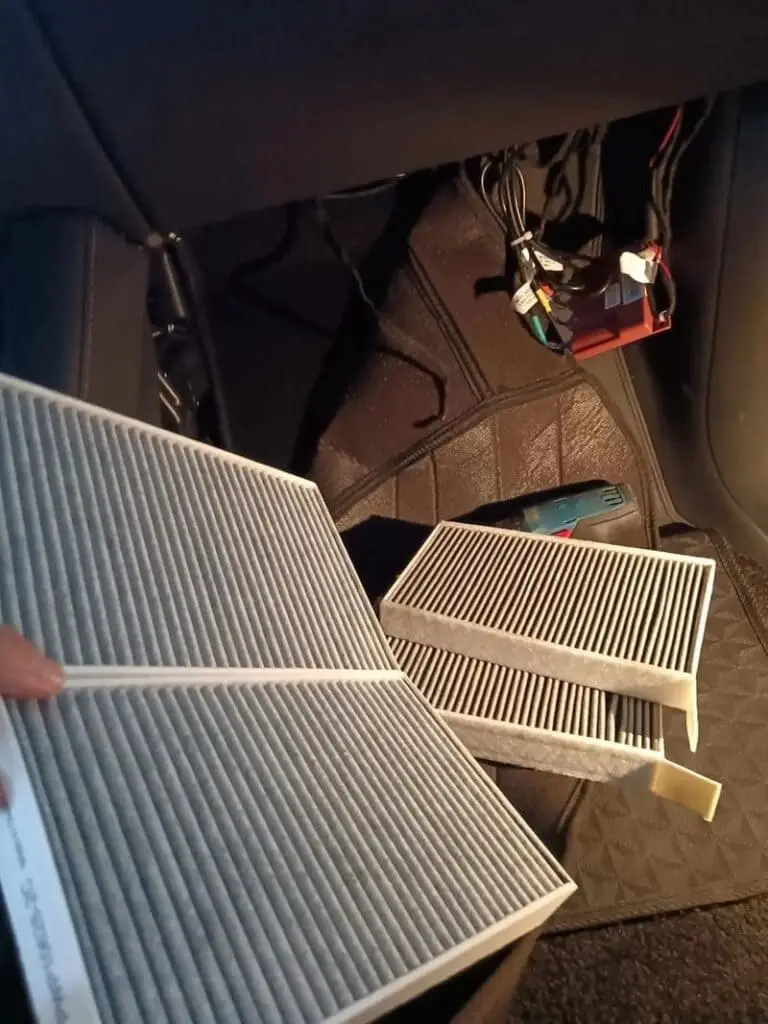
When deciding how much should a cabin air filter cost, the biggest variable isn’t the filter itself—it’s who installs it. I’ve seen dealership invoices where a simple 5-minute swap costs upwards of $100. By choosing to handle this maintenance task yourself, you effectively eliminate the highest portion of the bill: the service fee.
The Potential Savings of DIY Installation
For most modern vehicles, the glove box location makes the filter easily accessible without specialized tools. By opting for a DIY replacement, you only pay for the component. I recommend checking a proper HVAC installation guide to ensure you don’t install the media backward, which can restrict airflow.
- Average DIY Savings: $40 to $80 per service.
- Time Commitment: Usually less than 10 minutes.
- Ease of Access: Most filters are behind the glove compartment or under the cowl.
Understanding the Markup in Professional Service Quotes
When you take your car to a service center or quick lube shop, you aren’t just paying for the part. You are paying for the shop’s overhead, the technician’s time, and a significant retail markup on aftermarket parts or OEM components.
| Expense Category | DIY Cost | Professional Shop | Dealership |
|---|---|---|---|
| Filter Part | $15 – $35 | $30 – $50 | $50 – $75 |
| Labor Fee | $0 | $20 – $40 | $50 – $100 |
| Total Cost | $15 – $35 | $50 – $90 | $100 – $175+ |
When to Pay for Professional Installation
While I advocate for DIY, some vehicle designs are unnecessarily complex. If your filter requires removing the gas pedal or dismantling the center console, the professional installation fee becomes a fair trade for your time and frustration. However, for 90% of drivers, managing your own hvac air intake filters save money and improve efficiency without the need for a mechanic’s hourly rate. Pay for a professional only if:
- The filter box is located in a hard-to-reach area (e.g., some European models).
- You are already having major automotive repair work done, and the shop offers a bundle discount.
- You lack the physical mobility to reach under the dashboard.
Top Cabin Air Filter Brands and Their Price Ranges
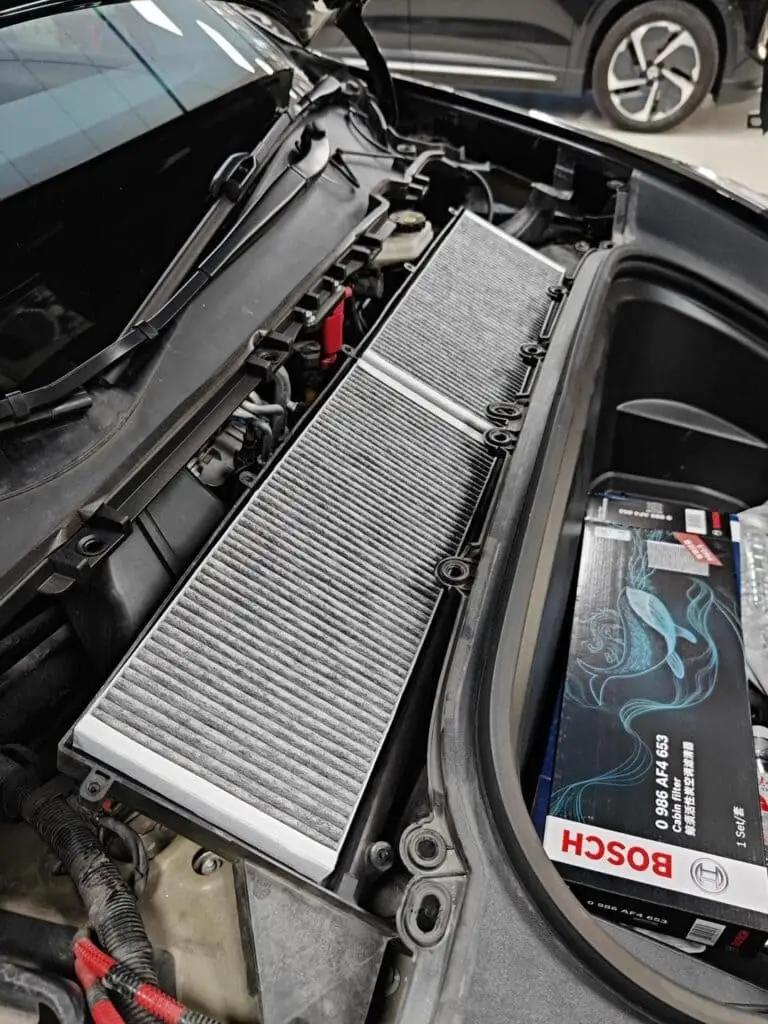
When looking at how much should a cabin air filter cost, the brand you choose plays a major role in the final price. I’ve categorized the market into three main tiers to help you decide which level of protection fits your budget and your vehicle’s needs.
| Brand Tier | Common Brands | Estimated Price Range | Best For |
|---|---|---|---|
| Budget | Fram, SuperTech | $10 – $20 | Basic dust and pollen filtration |
| Premium | Bosch, K&N, Wix | $20 – $55 | Odor removal and HEPA-grade air quality |
| OEM | Toyota, Ford, BMW, etc. | $30 – $70+ | Exact factory fit and warranty peace of mind |
Budget-Friendly Options: Fram and SuperTech
If you are looking for a straightforward aftermarket part that gets the job done without breaking the bank, budget brands like Fram and SuperTech are my top recommendations. These filters usually feature standard filter media designed to catch large particles like dust and leaves.
- Fram Fresh Breeze: Often includes baking soda to help neutralize odors for under $20.
- SuperTech: The ultimate “value” choice, frequently found for $10 or less, making it the most affordable way to maintain your HVAC system.
Premium Performance Brands: Bosch, K&N, and Wix
For drivers who deal with heavy smog, seasonal allergies, or lingering odors, stepping up to a premium brand is worth the extra investment. Bosch is well-known for its HEPA-rated filters that capture microscopic pollutants, significantly improving air quality inside the cabin.
Wix offers heavy-duty construction, while K&N provides a unique value proposition with its reusable versions. When weighing the benefits of washable vs. disposable air filters, K&N stands out because you pay more upfront—usually around $40 to $55—but you never have to buy another filter again.
Manufacturer Original (OEM) Replacement Parts
Buying a filter directly from the dealership (OEM) ensures a perfect vehicle fit because it is the exact part the car was built with. However, you will pay a “brand tax” for this privilege.
In my experience, OEM filters often cost double what you would pay for a high-quality aftermarket equivalent. While they are reliable, I typically suggest OEM parts only if your vehicle is under a strict lease agreement or if you have a luxury model with a highly complex filter box configuration that aftermarket brands haven’t perfectly replicated yet. To keep your unit running efficiently, you can also learn how to clean air conditioner filter elements if you’ve opted for a specialized reusable OEM or performance setup.
Maintenance Timing and Its Impact on Long-Term Costs
I always tell my customers that the real answer to how much a cabin air filter should cost isn’t just the price tag on the box—it’s the money you save by preventing expensive AC failures. Keeping a fresh filter is the simplest way to avoid high-ticket repair bills.
Recommended Replacement Intervals and Signs of Clogging
As a general rule, you should replace your cabin air filter every 12,000 to 15,000 miles. However, if you frequently drive in heavy traffic or dusty rural areas, you might need a swap sooner. Understanding how often to change your air filter is the best way to ensure your HVAC system isn’t gasping for breath.
Keep an eye out for these warning signs:
- Weak Airflow: Even on the “High” setting, the air feels like a light breeze.
- Lingering Smells: A musty or “dirty sock” odor that won’t go away.
- Whistling Noises: Sound coming from the vents caused by air struggling to pass through debris.
How Regular Changes Protect Your HVAC System
A dirty filter creates significant resistance. When air can’t pass through easily, your blower motor has to work much harder and run hotter to compensate. Over time, this constant strain degrades the electrical components. By sticking to a strict maintenance schedule, you keep the air flowing freely, which preserves the life of your motor and keeps your cabin cooling down faster on hot days.
Avoiding Costly Repairs Caused by Neglected Filters
Spending $15 to $40 on a new filter today can save you hundreds in the long run. Neglecting this small part often leads to:
- Blower Motor Burnout: Replacing a seized motor can cost between $300 and $600 in labor and parts.
- Evaporator Core Issues: If a filter is so old it starts to disintegrate, debris can clog the evaporator, leading to mold growth and a repair bill that often exceeds $1,000.
- Efficiency Loss: An overworked system puts more load on your vehicle’s alternator, slightly impacting your overall fuel economy.
| Service Item | DIY Cost | Professional Cost | Potential Repair Savings |
|---|---|---|---|
| Cabin Air Filter | $15 – $35 | $50 – $100 | $500+ (Blower Motor) |
| Air Quality Check | Free (Visual) | $20 – $40 | Health & Comfort |
Staying proactive with your car maintenance ensures that your price range for repairs stays as low as possible.