Are you struggling to figure out how to know which air filter to buy for your home?
Choosing the wrong option isn’t just frustrating—it can restrict your HVAC system airflow, spike your energy bills, or fail to trap dust and allergens.
In this guide, you’ll learn step-by-step how to measure your exact air filter size, decode MERV ratings, and choose the ideal filter type—whether that’s fiberglass air filters, pleated air filters, or high-efficiency HEPA air filters.
If you want cleaner indoor air, lower energy costs, and a simple filter replacement routine, this guide is for you.
How to Find the Right Air Filter Size
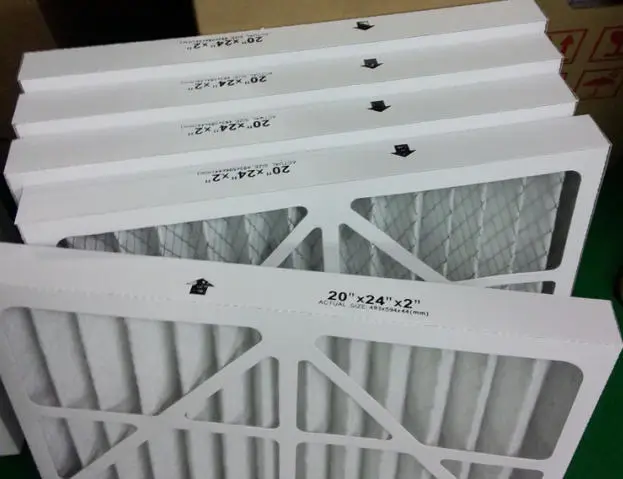
Selecting the correct air filter size is essential for maintaining efficient airflow and protecting your HVAC system from dust and debris. An improperly sized filter leaves gaps that allow unfiltered air to bypass the filtration media entirely.
Measuring Your Current Air Filter
The easiest way to determine your filter dimensions is by inspecting the frame of your current air filter:
- Check the Outer Frame: Look for the dimensions printed along the cardboard edge, typically displayed as Length × Width × Thickness in inches (e.g., 20″ × 25″ × 1″).
- Measure Manually: If the print is illegible, use a tape measure to get the exact physical length, width, and depth.
- Record Exact Inches: Keep measurements precise to the nearest 1/8 inch.
Nominal Size vs. Actual Size
Understanding the difference between nominal and actual sizing prevents buying filters that do not fit:
| Measurement Type | Definition | Standard Example |
|---|---|---|
| Nominal Size | The rounded retail label used for ordering filters. | 16″ × 20″ × 1″ |
| Actual Size | The true physical dimensions of the filter frame. | 15.5″ × 19.5″ × 0.75″ |
Important: Always search and purchase based on the nominal size. Air filters are manufactured slightly smaller than the nominal dimensions to ensure easy installation into the cabinet.
Locating Your System’s Filter Cabinet
If you are missing an existing filter for reference, check these common locations across your furnace or heat pump system:
- Return Air Grilles: Mounted on a main wall or ceiling inside your living space.
- Air Handler Cabinet: Located in the slot next to the blower motor in your basement, attic, or utility closet.
- In-Line Duct Rack: Positioned in the ductwork right where the return air enters the HVAC unit.
Understanding MERV Ratings for Home Air Filters
What MERV Ratings Mean
MERV stands for Minimum Efficiency Reporting Value. As an air filter manufacturer, we use this industry-standard rating scale (ranging from 1 to 16 for standard residential and commercial systems) to measure how effectively a filter traps airborne particles.
A higher MERV rating indicates finer filtration media capable of capturing smaller contaminants like mold spores, pet dander, and fine dust. Understanding this metric is essential to know which air filter to buy for optimal HVAC performance and healthy indoor air quality. For a full breakdown of how these ratings are tested, review our complete guide to MERV air filter ratings.
Comparing MERV Rating Scale Ranges
Different MERV rating ranges target specific particle sizes and household needs:
| MERV Rating Range | Target Particles Captured | Ideal Application |
|---|---|---|
| MERV 1–4 | Dust mites, pollen, spray paint dust, carpet fibers | Basic HVAC system protection; minimal filtration efficiency |
| MERV 5–8 | Mold spores, dust mites, pet dander, cement dust | Standard residential homes; great balance of airflow and filtration |
| MERV 9–12 | Fine dust, auto emissions, pet dander, lead dust | Homes with pets or mild allergy sufferers seeking cleaner indoor air |
| MERV 13–16 | Bacteria, tobacco smoke, sneeze droplets, fine allergens | Severe allergy or asthma relief; high-efficiency home air quality filtration |
When evaluating your furnace filter replacement options, balance filtration efficiency with airflow. If you are comparing standard residential options, our breakdown of MERV 8 vs MERV 11 air filters provides detailed performance metrics for home HVAC units.
Selecting the Best MERV Rating for Your Needs
Selecting the ideal MERV rating comes down to three main factors:
- Standard Households (No Pets/Allergies): A MERV 8 pleated air filter catches everyday dust and allergens while maintaining maximum airflow and low energy costs.
- Pet Owners & Mild Allergy Sufferers: A MERV 11 filter captures smaller dander particles and pollen, noticeably improving home air quality without overworking most blowers.
- Severe Allergies or Respiratory Conditions: A MERV 13 filter delivers top-tier residential protection against microscopic debris, smoke, and smog.
System Compatibility Warning: Higher MERV ratings create denser media, which can increase airflow restriction. Always check your HVAC system manufacturer recommendations before upgrading to MERV 13 or higher to prevent equipment strain and extra energy consumption.
Types of Air Filters to Consider
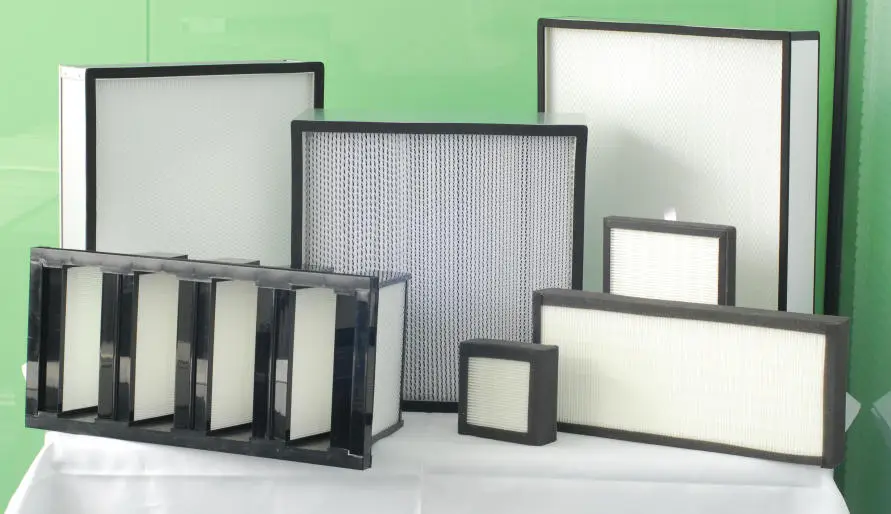
Choosing the right filter media directly impacts your HVAC system performance and home air quality. We manufacture distinct filter types tailored to meet varying airflow requirements, budget constraints, and filtration needs.
Fiberglass Air Filters
Fiberglass filters represent the basic baseline for system protection.
- Primary Function: Shields furnace components from large debris and lint rather than purifying home air.
- Filtration Efficiency: Rated MERV 1 to 4, trapping less than 20% of common microscopic contaminants.
- Airflow Impact: Offers minimal airflow restriction, allowing maximum air volume through older systems.
- Best For: Rental units or short-term usage where equipment protection is the primary goal.
Pleated Air Filters
A pleated air filter utilizes folded synthetic media to maximize surface area within a compact frame.
- Higher Particle Capture: Traps fine dust and allergens, pet dander, and mold spores efficiently.
- Balanced Efficiency: Maintains steady airflow while noticeably improving indoor air quality. Reviewing our breakdown comparing pleated vs fiberglass air filters clarifies which option balances your system’s static pressure needs.
- Rating Range: Spans MERV 8 through MERV 13 for standard home systems.
- Best For: Most residential properties looking for the best furnace filters for airflow and indoor air quality.
HEPA Air Filters
High-Efficiency Particulate Air (HEPA) filters supply industrial-grade filtration.
- Maximum Capture: Removes at least 99.97% of particles down to 0.3 microns, including bacteria, viruses, and smoke.
- HVAC Strain: Creates high static pressure; standard residential HVAC units usually require professional modifications or bypass systems to handle a HEPA filter without damaging the blower motor.
- Best For: Severe allergy sufferers, immunocompromised individuals, or dedicated air purifiers.
Washable and Electrostatic Air Filters
Washable electrostatic filters leverage self-charging synthetic fibers to attract airborne particles.
- Reusable Construction: Rinsed and reused for several years, reducing long-term filter replacement costs.
- Filtration Performance: Delivers moderate filtration efficiency equivalent to MERV 4 to 8.
- Maintenance Demand: Must dry completely before reinstallation to prevent mold growth inside ductwork.
- Best For: Homeowners aiming to eliminate disposable filter waste.
Key Factors to Consider When Buying an Air Filter
Allergies and Household Air Quality Needs
Matching an air filter to specific household conditions directly impacts indoor air quality. As an air filter manufacturer, we engineer media to target distinct airborne particles based on daily exposure:
- Basic Dust & Dirt: Standard MERV 8 filters capture pollen, dust mites, and carpet fibers for typical homes.
- Pets & Seasonal Allergies: MERV 11 to MERV 13 filters trap pet dander, mold spores, and finer allergen particles.
- Smoke & Odors: High-efficiency pleated options or specialized media capture fine combustion particles. Comparing carbon vs standard air filters helps determine if gas-phase odor absorption is needed alongside particle filtration.
HVAC Airflow and System Compatibility
High filtration efficiency must balance with proper HVAC airflow. Dense filter media creates static pressure, which restricts air movement if the system blower lacks the capacity to push air through high-density pleats.
- Check System Limits: Most modern residential residential units handle MERV 8 through MERV 13 without issue. Standard residential motors may struggle with ultra-dense commercial filters.
- Maintain Efficiency: Selecting properly designed HVAC air intake filters saves money and improves efficiency by preventing excessive motor strain and utility bill spikes.
Filter Lifespan and Cost Comparison
Filter costs vary based on construction, depth, and filtration efficiency. Upfront pricing balances against replacement frequency and total system protection over time.
| Filter Category | Average Lifespan | Relative Cost | Best Household Application |
|---|---|---|---|
| 1-Inch Fiberglass | 30 Days | Low | Basic equipment protection; vacant properties |
| 1-Inch Pleated | 60 – 90 Days | Moderate | General dust control and allergy prevention |
| High-Efficiency Pleated | 90 Days | Moderate to High | Homes with pets, asthma, or high pollen counts |
| Deep Media (3–5 Inch) | 6 – 12 Months | High | Superior allergen capture with low airflow resistance |
How Often to Change Your Air Filter
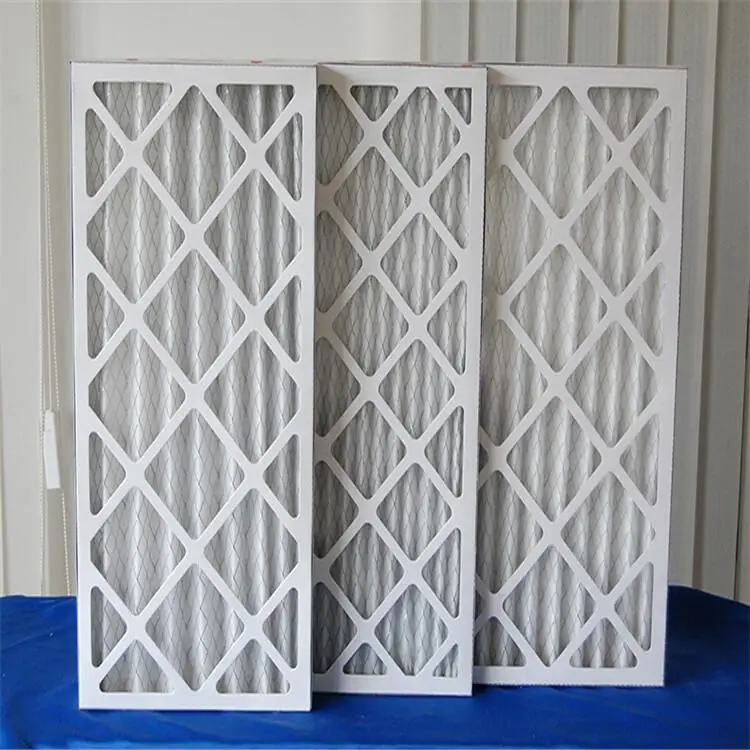
As an air filter manufacturer, we know that timely replacement protects your HVAC system from unnecessary strain while keeping your indoor air quality clean.
Standard Replacement Schedule Guidelines
| Filter Type & Thickness | Recommended Replacement Schedule |
|---|---|
| 1-Inch Fiberglass Filters | Every 30 days |
| 1- to 3-Inch Pleated Filters | Every 60 to 90 days |
| 4- to 5-Inch Deep Pleated Media Filters | Every 6 to 12 months |
Deeper filters hold significantly more dust and allergens before causing airflow restriction. Knowing how often to change a 20x25x4 air filter prevents system strain while maximizing media lifespan.
Signs Your Air Filter Needs Replacing
- Visible Gray Buildup: Dark dust layers coating the filter pleats.
- Spike in Energy Bills: Restricted airflow forces your heat pump system or furnace to draw more power.
- Dust Near Vents: Fine particles blowing out of register grilles back into your living space.
- Extended Running Cycles: Your system runs constantly without reaching your thermostat setpoint.
Factors That Impact Filter Replacement Frequency
- Pets: Hair and dander clog filter media quickly, shortening swap times to 30–60 days.
- Allergies and Asthma: Frequent replacement stops mold spores and pollen from circulating.
- HVAC Usage: Heavy summer cooling or winter heating accelerates dust collection.
- Home Size: Larger homes process total air volume more frequently, clogging filters faster.
How to Replace Your Furnace or HVAC Air Filter
Turning Off System and Removing the Old Filter
Safety comes first during any furnace filter replacement. Shut off power to your HVAC system at the thermostat or main breaker before opening the cabinet. Carefully slide out the dirty filter to avoid shaking trapped dust back into your return vent. If you notice extreme buildup or system strain, review these tips on addressing a clogged HVAC filter before continuing.
Checking Airflow Direction and Installing the New Filter
Look closely at the outer frame of your new pleated air filter. You will see printed arrows indicating the required direction of movement. Following proper HVAC airflow direction is critical—the arrows must always point toward the blower motor, away from the return duct. Verify that your replacement matches your exact air filter size so air cannot bypass the edges, then slide it smoothly into position.
Testing System Performance After Replacement
Turn power back on and let your system run through a brief cycle to confirm proper operation:
- Airflow Output: Feel the supply vents to ensure strong, clean air delivery without unusual airflow restriction.
- Cabinet Seal: Check that the access door latches tightly so untreated basement or attic air stays out.
- System Sound: Listen for whistling or rattling, which indicates a gap around the filter frame or an improper fit.