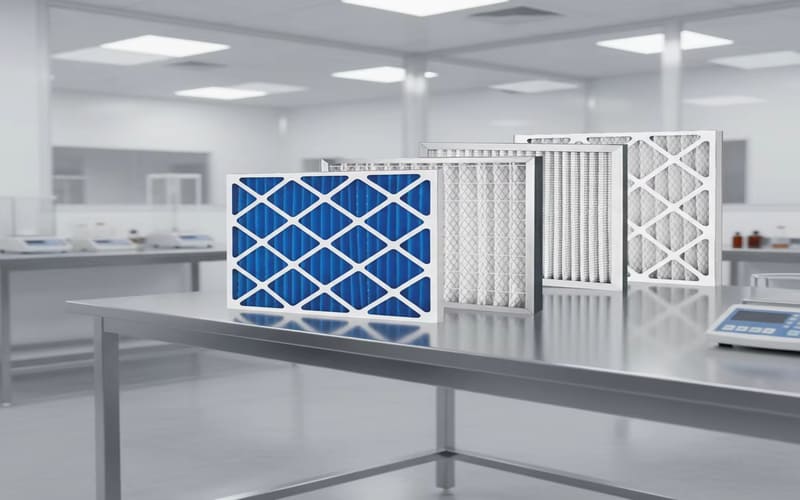
When you look at your HVAC system, the slot where your air filter goes might seem like a minor detail. However, as an air filter manufacturer, we know that the thickness of that filter changes everything about how your system breathes and cleans. The debate usually comes down to a classic matchup: the standard 1-inch filter versus the deep 4-inch media filter.
The 1-Inch Standard
The 1-inch pleated filter is what you will find in the vast majority of residential homes. It is cheap, universally available, and designed primarily to protect your furnace or AC equipment from large dust bunnies and debris. While it keeps your system’s internal components safe, its shallow depth means it lacks the structural capacity for high-level air quality optimization.
The 4-Inch Media Filter
A 4-inch deep-pleated media filter is designed for superior air quality and system longevity. By expanding the thickness, we can pack vastly more filtering material into the exact same face area. These filters do not just catch dust; they capture microscopic allergens, smoke, and pet dander without suffocating your HVAC system.
The Core Paradox
Most homeowners assume that a thicker filter will block more airflow, causing severe system strain and spiking their energy costs. The reality is the exact opposite.
Because a 1-inch filter has so little material, it clogs rapidly, creating a massive static pressure drop that forces your system to work harder. Our 4-inch filters unfold like an accordion, providing a massive surface area that allows air to pass through easily while trapping a far higher volume of particles. Thicker filters actually improve airflow over time compared to their thinner counterparts.
| Filter Attribute | 1-Inch Filter | 4-Inch Filter |
|---|---|---|
| Primary Design Goal | Equipment Protection | Air Quality + Equipment Protection |
| Surface Area | Low | Extremely High |
| Airflow Restriction Over Time | Rises Rapidly | Stays Consistently Low |
| Dust Capacity | Minimal | High Volume |
The Physics of Filtration: Why Thickness Equals Performance
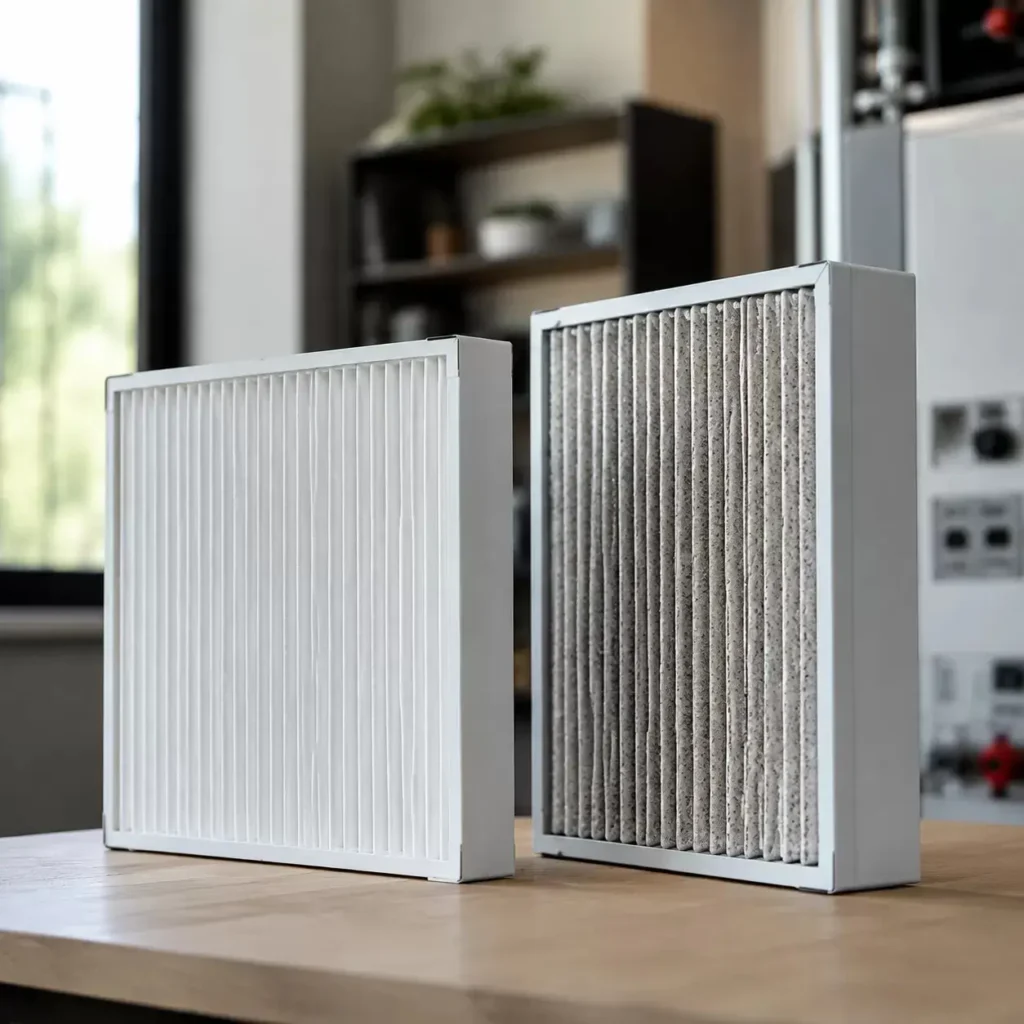
When you look at different HVAC filters, it is easy to assume that a thicker barrier just makes it harder for air to get through. In reality, the physics of a 4-inch filter vs. 1-inch filter work in the exact opposite way. Thicker media filters do not rely on tighter, more restrictive weaves; instead, they use depth and geometry to optimize filtration efficiency without killing your airflow.
The Power of Surface Area
The secret behind a high-performing media filter is its pleats. If you take a standard 1-inch pleated filter and a 4-inch deep-pleated filter and stretch the material out completely, the difference is massive. A 4-inch filter has up to nine times more total surface area than a standard 1-inch filter.
- Slower Air Velocity: More surface area means air travels through the actual filter material at a much lower speed.
- Better Particle Capture: When air slows down inside the pleats, the filter can catch microscopic contaminants far more effectively.
- Less Resistance: Spreading the air across a massive surface area drastically cuts down on initial resistance, protecting your blower motor from unnecessary system strain.
Particle Capture Capacity & Dust Holding
A thin filter plugs up fast because it has very little room to hold debris. Once the surface layer is coated with dirt, the filter is essentially done, leading to a major static pressure drop.
Deep-pleated 4-inch filters utilize the full depth of their material. They possess a massive dust capacity, trapping larger particles on the outer edges while forcing smaller particles like pollen and mold spores into the deeper layers. Because the debris is distributed across a large three-dimensional matrix, the filter maintains its breathability even when loaded with dirt. Understanding how accumulation affects your system is crucial—for instance, realizing why is my air filter black can help you identify severe soot or mold issues before they ruin your indoor air quality.
Filtration Efficiency Without the Penalty
In the past, getting a high MERV rating meant sacrificing your airflow. If you wanted to trap micro-allergens with a 1-inch filter, the weave had to be so tight that it restricted the HVAC system, skyrocketing your energy costs.
Thicker filters solve this fundamental problem. By leveraging massive surface area, we can deliver high-efficiency filtration (MERV 11 to MERV 16) while keeping air resistance low. You get pristine indoor air quality, maximum particle capture, and lower utility bills—all because the physics of a thicker filter allows your system to breathe easier for a longer filter lifespan.
Understanding Airflow Restriction and Static Pressure Drop
Many homeowners assume that a thicker media filter will choke their HVAC system and restrict airflow. As air filter manufacturers, we know the physics actually point in the opposite direction. Understanding how static pressure drop affects your equipment is the secret to maximizing both air quality and system efficiency.
Demystifying Static Pressure
Static pressure is essentially the resistance your HVAC blower motor encounters as it pushes conditioned air through your ductwork and filter. Think of it like drinking through a straw: a thin, clogged straw requires much more effort than a wide one.
When comparing a 4-inch filter vs. 1-inch filter, the 1-inch variant creates a tighter bottleneck. Because it has less surface area, air must force its way through a smaller opening, which increases initial static pressure. A thicker, pleated media filter opens up the passageway, allowing high-velocity airflow to pass through with minimal resistance.
The Lifecycle Pressure Curve
Every furnace filter experiences an increase in resistance as it captures airborne contaminants. However, the rate of this increase differs dramatically by thickness:
- 1-Inch Filters: These have a steep, aggressive pressure curve. Because their particle capture capacity is limited, they clog rapidly. Within a few weeks, the static pressure spikes, triggering immediate system strain.
- 4-Inch Filters: These feature a flat, stable pressure curve. Thanks to their massive dust capacity, they collect immense amounts of debris over months before experiencing any significant airflow restriction.
Mitigating System Strain and Reducing Energy Costs
When your HVAC system fights against a restrictive, overloaded filter, the blower motor must run longer and hotter to maintain your thermostat’s target temperature. This resistance directly translates to higher energy costs and premature equipment failure.
[High Resistance/Tight Filter] ➔ [Motor Works Harder] ➔ [Spike in Energy Costs + System Wear]
[Low Resistance/Deep Pleats] ➔ [Smooth Airflow] ➔ [Lower Bills + Extended HVAC Lifespan]
By upgrading to a deeper pleated filter, you drop the static pressure across the system. This simple change reduces utility bills, prevents emergency maintenance calls, and protects the lifespan of your furnace. For a deeper look at managing system budgeting and maintenance balances, check out our furnace filter cost factors and price guide to optimize your long-term setup.
Lifespan and Maintenance Realities
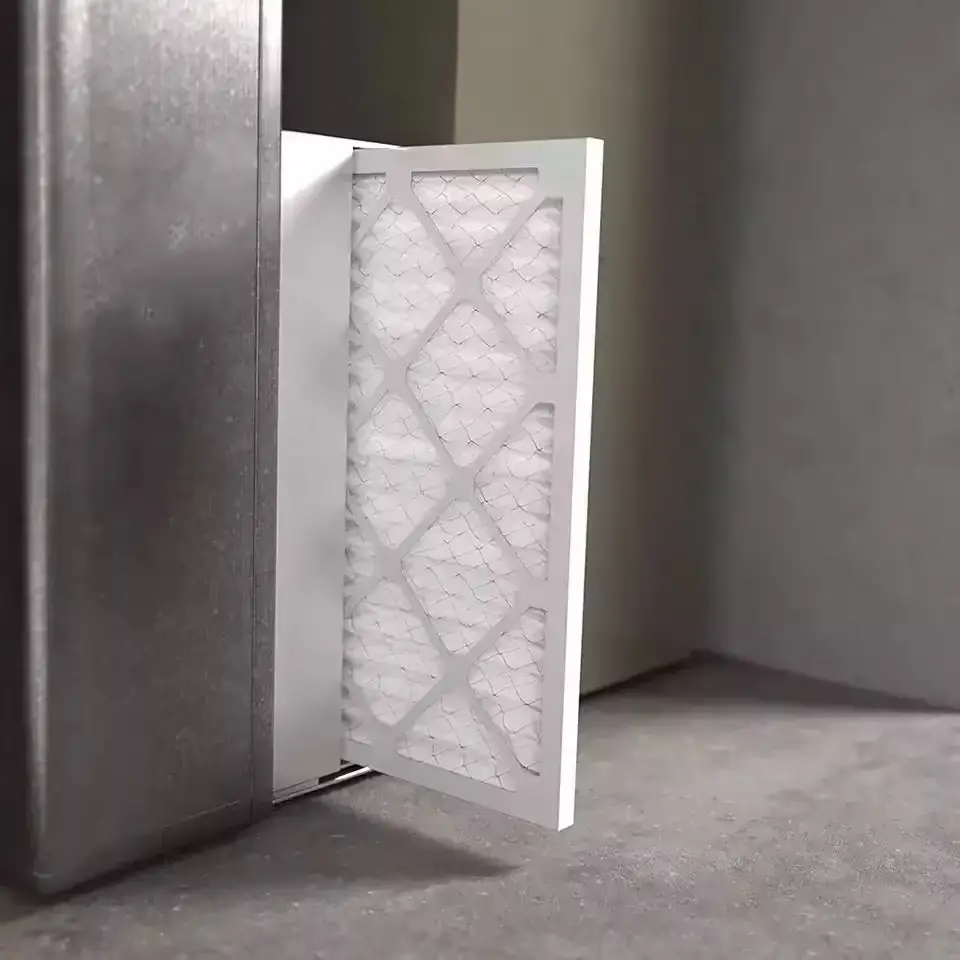
When evaluating furnace filter thickness, the long-term maintenance schedule is where the real financial and practical differences appear. A standard 1-inch filter faces rapid dust capacity limits, requiring frequent intervention. In contrast, a 4-inch deep-pleated media filter drastically extends the time between replacements, changing how you manage your HVAC system.
Replacement Cycle Comparison
The physical volume of a 4-inch filter allows it to trap significantly more airborne debris before causing dangerous airflow restriction. This difference alters your home maintenance timeline:
| Filter Thickness | Typical Lifespan | Annual Replacements | Maintenance Effort |
|---|---|---|---|
| 1-Inch Filter | 30 to 90 Days | 4 to 6 Times | High monitoring required |
| 4-Inch Media Filter | 6 to 12 Months | 1 to 2 Times | Set and forget |
While 1-inch options quickly choke on dust, thicker media filters maintain an optimal static pressure drop over many months, protecting your HVAC system from unnecessary strain.
The Hidden “Convenience ROI”
Choosing a thicker filter is not just about filtration efficiency; it is about buying back your time.
- Fewer Reminders: Instead of changing filters every month, you handle it once or twice a year.
- Consistent Protection: A long-lasting filter prevents the sudden spikes in energy costs that happen when a thin 1-inch filter clogs unexpectedly.
- System Longevity: Less frequent clogging means fewer emergency HVAC repair visits due to choked airflow.
For homeowners debating their options, understanding the differences between pleated vs fiberglass air filters helps clarify how material and thickness work together to reduce your total maintenance workload.
Environmental Impact
From a sustainability standpoint, thicker filters deliver a smaller environmental footprint. Over a five-year period, a single HVAC system using 1-inch filters will send up to 30 dirty filters to the landfill. That same system, using 4-inch media filters, will only discard 5 to 10 units.
Fewer filters manufactured, shipped, and thrown away means reduced raw material consumption and less waste in our local communities, making the thicker filter the responsible choice for eco-conscious homeowners.
Compatibility, Fitment, and Retrofitting: Upgrading Your Furnace Filter Thickness
The “Never Force It” Rule
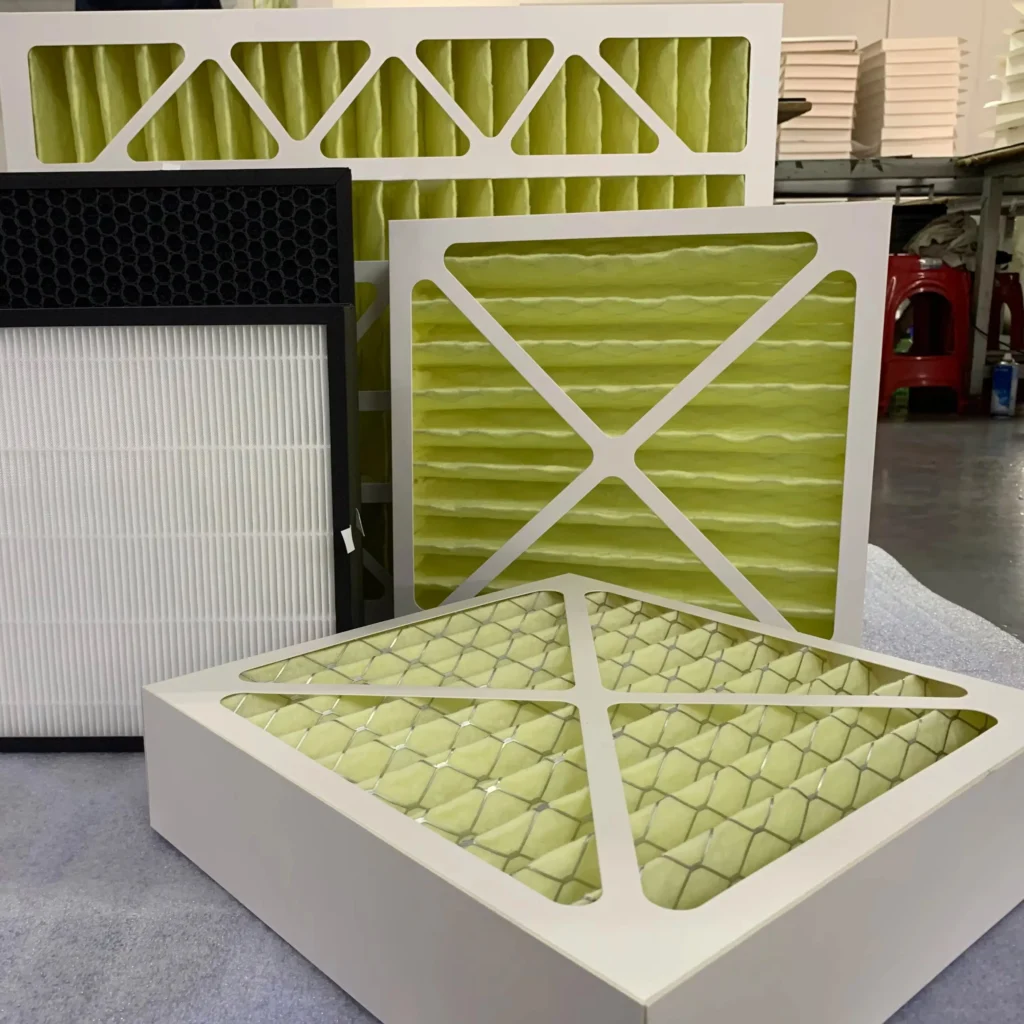
When it comes to upgrading your HVAC system, one rule stands above all: never force a thicker air filter into a slot designed for a 1-inch filter. Jamming a 4-inch pleated filter into a standard 1-inch track crushes the media, creates massive gaps where unfiltered air bypasses the system, and chokes off essential airflow. This unintended restriction triggers immediate system strain, skyrockets your energy costs, and can permanently damage your heat exchanger or compressor. If it does not slide in smoothly with a perfect seal, do not use it.
Evaluating Your Current Setup
Before purchasing a thicker media filter, you must evaluate your existing furnace layout. Most standard residential HVAC systems ship from the factory with a narrow 1-inch return air grille or a built-in slot directly adjacent to the furnace blower compartment.
- Measure the physical slot: A standard 1-inch slot measures exactly 1 inch wide.
- Check the cabinet clearance: Look at the return air duct directly where it connects to the furnace. Is there raw, unbacked ductwork space where a deeper box could sit?
- Verify your target MERV rating: Ensure your system can handle the filtration efficiency you want. If you plan to move to high-efficiency filtration, review our guide on which MERV rating filter should you use for home air quality to match your system’s capacity.
Retrofitting Options for Homeowners
If your home is currently trapped in the 1-inch replacement cycle, you have two highly effective paths to retrofit your system for a high-capacity 4-inch or 5-inch media filter.
| Retrofit Option | Installation Method | Best For | Primary Benefit |
|---|---|---|---|
| Media Filter Cabinet | A professional HVAC technician cuts out a section of the return air drop and installs a dedicated, sealed metal housing right before the furnace. | Homeowners with accessible basement or utility closet ductwork. | Drastically drops static pressure, extends filter lifespan to 6–12 months, and stops air bypassing. |
| Deep-Pleat Grille Mount | Replaces the standard, flat return air wall or ceiling grilles with a specialized box that extends outward or sits deep inside the wall cavity. | Homes where the filter is located inside a central living room wall or ceiling vent rather than the furnace itself. | Allows 4-inch filter usage without modifying the actual furnace sheet metal. |
Upgrading your filter slot configuration requires a small upfront investment, but the reduction in overall system strain and the massive jump in dust capacity make it the single most cost-effective upgrade you can perform on a residential HVAC system.
How to Choose the Right Filter Thickness for Your Home
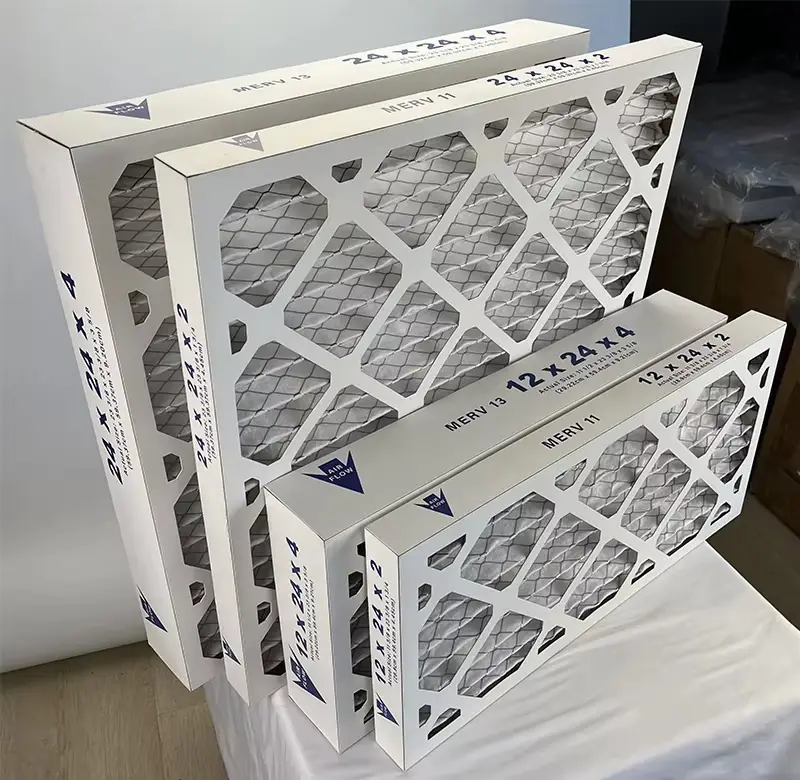
Choosing the ideal furnace filter thickness comes down to balancing your HVAC system capabilities with your indoor air quality goals. While a thicker media filter offers superior filtration efficiency, you must evaluate your specific living situation before upgrading.
The Household Assessment Checklist
Before purchasing a new filter, run through these quick diagnostic points to evaluate your home’s needs:
- HVAC Slot Dimensions: Measure the exact depth of your current intake grate or filter slot. Never force a thicker filter into a space designed for a 1-inch filter.
- Occupant Allergies: Homes with asthma sufferers, severe allergies, or multiple pets require a higher MERV rating and greater particle capture capabilities.
- System Age: Older systems may struggle with the static pressure changes of specialized filters. Check your furnace manufacturer’s guidelines for maximum allowable pressure drop.
- Maintenance Habits: If you frequently forget routine maintenance, a longer filter lifespan will protect your system from neglect. To keep your overall system running efficiently, it is also helpful to know how often to change air filter setups based on your home’s traffic.
The Komtfil Recommendation Matrix
We engineered this matrix to help you select the exact filter thickness based on your household dynamic and HVAC system type.
| Household Type | Recommended Thickness | Ideal MERV Rating | Primary Benefit |
|---|---|---|---|
| Standard Home (No pets, clean environment) | 1-Inch Pleated | MERV 8 | Low airflow restriction, baseline protection |
| Pet Owner Home (1-2 pets, mild allergies) | 2-Inch Pleated | MERV 11 | Increased dust capacity, balances energy costs |
| High-Allergy / Multi-Pet (Smoking, asthma) | 4-Inch Media | MERV 11 – 13 | Maximum surface area, peak particle capture |
| Commercial / Large Property (Heavy foot traffic) | 5-Inch+ Media | MERV 13+ | Maximum filter lifespan, lowest system strain |
If you find that your current system restricts you to a thin slot but you still demand pristine air quality, you might want to look into the air filter vs air purifier differences to see how a standalone unit can supplement your central HVAC setup without causing unnecessary airflow restriction. Always prioritize matching the filter to your actual housing infrastructure to prevent costly system strain.
Frequently Asked Questions (FAQs)
Can I use a 4-inch filter in a 1-inch slot?
No, you cannot. A 4-inch media filter will not physically fit into a standard 1-inch slot. Trying to force it will crush the filter frame, tear the pleated media, and create gaps that allow unfiltered air to bypass the system entirely. If you want to upgrade to a thicker furnace filter, you must have a technician modify your ductwork or install a dedicated media cabinet. If you are unsure about what currently fits your system, check out our guide on what size air filter do I need.
Do thicker air filters cause HVAC system strain?
Quite the opposite. While a high-MERV 1-inch filter often causes severe airflow restriction, a 4-inch pleated filter opens up the surface area. This extra space allows air to pass through easily, reducing static pressure drop. Upgrading to a thicker filter actually reduces HVAC system strain, lowers energy costs, and protects your blower motor from premature failure.
How often do you really need to change a 4-inch furnace filter?
While standard 1-inch filters need replacement every 30 to 90 days, a 4-inch filter’s lifespan typically lasts 6 to 12 months. Because these deep-pleated filters have a massive particle capture capacity, they hold significantly more dust before affecting system pressure. However, homes with multiple pets, heavy smoking, or high allergy concerns may need a swap closer to the 6-month mark.
Does a thicker filter reduce indoor dust?
Yes, a thicker filter is highly effective at reducing airborne dust throughout your home. The expanded surface area allows us to manufacture filters with higher MERV ratings without choking your airflow. This means the system can continuously trap smaller particles, pet dander, and fine dust every time your HVAC system cycles, leading to noticeably cleaner air and less settling dust on your furniture.