What is a Heat Pump Filter?
A heat pump filter is a critical component of your HVAC system designed to trap airborne particles before they enter your equipment. As a leading HVAC air filter manufacturer, we engineer these filters to protect your system’s internal components from dust buildup while simultaneously purifying your indoor air quality.
How Heat Pump Filters Work
Your heat pump relies on constant airflow to heat or cool your home. The filtration process follows a simple, continuous cycle:
- The system pulls air from your living spaces through the return air grille.
- The air passes through the filter media, which captures pollutants, dust, pollen, mold spores, and pet dander.
- Clean, filtered air passes over the heating or cooling coils.
- The system blows the conditioned, safe breathing air back into your environment.
Difference Between Furnace and Heat Pump Filters
Many homeowners ask about the difference between a furnace filter and a heat pump filter. In terms of physical design, they are often identical and interchangeable. However, the way they operate within your home ecosystem differs based on seasonal usage.
| Feature | Heat Pump Filter | Furnace Filter |
|---|---|---|
| Primary Function | Traps debris during both heating and cooling cycles. | Traps debris primarily during the heating season. |
| Operational Frequency | Runs year-round for continuous climate control. | Runs mainly during colder months. |
| Wear and Tear | Requires consistent monthly inspection due to constant use. | Higher wear in winter, lower use in summer. |
| Airflow Impact | Critical for maintaining balanced airflow for both heating and AC. | Critical for preventing heat exchanger overheating. |
Where Is My Heat Pump Filter Located?
Finding your filter is the first step in routine heat pump maintenance. Depending on your home’s architectural layout and system design, the filter is typically located in one of three places:
- Inside the Return Air Grille: Located on a wall or ceiling in a central living area, housed behind a removable slotted vent.
- Next to the Air Handler: Slipped into a dedicated slot right where the return duct connects to the indoor air handler unit (often in a closet, basement, or attic).
- Inside the Unit (Ductless Systems): Positioned directly behind the front panel of a wall-mounted mini-split zone.
Why You Need to Clean or Replace Your Heat Pump Filter
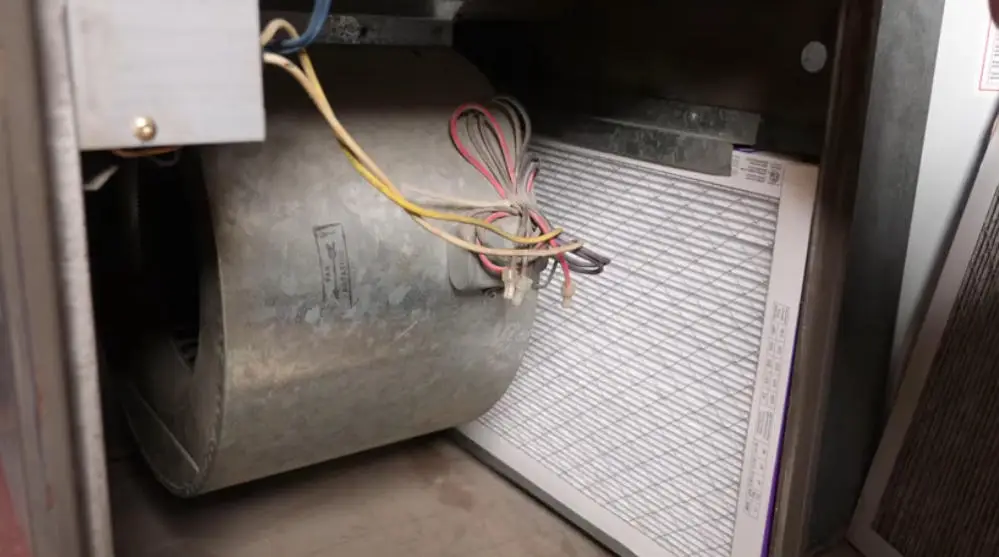
Skipping regular heat pump maintenance does more damage than most homeowners realize. As a manufacturer, we see firsthand how a clogged air filter triggers a chain reaction of system failures and spikes your monthly utility costs. Keeping this simple component clean is the easiest way to protect your investment.
Improving Indoor Air Quality
Your HVAC air filter is the first line of defense against airborne irritants. When a filter becomes overloaded, it stops trapping dust, mold spores, pollen, and pet dander. Instead, these pollutants bypass the filtration system and recirculate directly into your breathing air. Routinely changing the filter keeps your home environment clean and healthy. If you suspect your current filter is failing to keep the air fresh, look out for the common 5 signs your HVAC filter is clogged to protect your household’s health.
Lowering Your Energy Bills
A dirty filter forces your system to work twice as hard to push air through the return air grille. This intense airflow restriction drains massive amounts of electricity. The Cost Impact: A heavily restricted filter can increase your energy consumption by up to 15%. The Fix: Swapping out a dirty pleated air filter for a fresh one instantly restores proper airflow, yielding immediate energy efficiency savings on your monthly electric bill.
Extending the Lifespan of Your HVAC System
Dust buildup doesn’t just block air; it settles directly onto internal mechanical components. When dust covers the coils and blower motor, the entire system overheats. Over time, this unnecessary friction causes premature wear and tear, leading to expensive emergency repairs or forcing a total system replacement years before its time.
Preventing System Short-Cycling
When airflow is completely choked off by a clogged air filter, heat builds up inside the system rapidly. To prevent a catastrophic breakdown, your heat pump’s safety sensors will trigger a forced shutdown. This cycle—turning on, overheating, and shutting down repeatedly—is called short-cycling. Short-cycling burns out the compressor and completely destroys your home’s comfort.
Types of Heat Pump Filters Explained
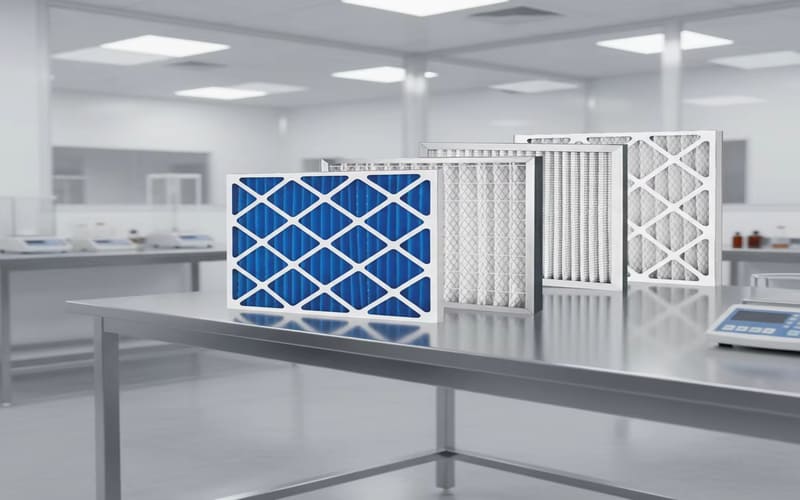
Choosing the right HVAC air filter is essential for balancing system performance and indoor air quality. As a dedicated heat pump filter manufacturer, we produce a variety of options tailored to different residential needs and environments.
Fiberglass Filters (The Budget Option)
- Best For: Basic system protection on a tight budget.
- How They Work: These filters use layered fiberglass strands to catch large dust particles and lint.
- Pros & Cons: While they are incredibly affordable, they offer minimal filtration for smaller airborne pollutants like pollen or pet dander. They must be replaced monthly to prevent airflow restriction.
Pleated Media Filters (The Balanced Choice)
- Best For: The ideal mix of high energy efficiency savings and excellent air filtration.
- How They Work: Made from folded synthetic cloth or paper, a pleated air filter provides a much larger surface area to capture mold spores, dust, and allergens without choking your system’s airflow.
- Pros & Cons: This is the most popular residential choice. For a deeper look at how these impact your system’s breathing air and performance, check out our guide on the best furnace filters for airflow and indoor air quality.
High MERV Filter (The Ultimate Allergen Blockers)
- Best For: Severe allergy sufferers and households requiring clinical-grade air purity.
- How They Work: These filters boast the highest filter efficiency, trapping 95% of microscopic particles, including bacteria and smoke.
- Pros & Cons: Because they are so dense, standard residential heat pumps cannot handle them without significant airflow restriction. They typically require a professional whole-house filtration system modification.
Electrostatic and Washable Filters (The Reusable Option)
- Best For: Eco-conscious homeowners looking to eliminate recurring monthly filter purchases.
- How They Work: A washable HVAC filter uses static electricity to attract and trap lightweight dust and airborne particles.
- Pros & Cons: They are highly economical over time since you simply rinse and reuse them. However, they must be completely dry before reinstallation to prevent mold growth, and they generally offer lower filtration efficiency than high-quality pleated options.
Heat Pump Filter Comparison
| Filter Type | Primary Benefit | Lifespan | Allergen Protection |
|---|---|---|---|
| Fiberglass | Low upfront cost | 30 days | Low |
| Pleated Media | Balanced airflow & filtration | 60–90 days | Moderate to High |
| HIGH MERV | Maximum air purity | 6–12 months | Maximum |
| Washable | Reusable, eco-friendly | 5–10 years (Wash monthly) | Low to Moderate |
Understanding MERV Ratings for Heat Pumps
When shopping for an HVAC air filter, the most important specification you will encounter is the MERV rating. Choosing the right rating balances clean indoor air with the mechanical health of your heating and cooling system.
What is a MERV rating?
MERV stands for Minimum Efficiency Reporting Value. This MERV rating scale ranges from 1 to 16 for standard residential and commercial systems. It measures the ability of a filter to trap airborne particles like dust, pollen, mold spores, and pet dander. A higher number indicates a higher filtration efficiency, meaning the filter can catch smaller, finer pollutants.
Recommended MERV rating for residential heat pumps
For most standard residential environments, we recommend finding a middle ground that provides excellent air quality without straining your system.
- MERV 8: The baseline standard. It effectively captures larger particles like lint, dust mites, and pollen. Perfect for households without pets or severe allergies.
- MERV 11: The balanced choice. It upgrades your defense by trapping finer particles, including pet dander and car emissions. This is highly recommended for pet owners and mild allergy sufferers.
To find the ideal match for your home, you can read our complete guide to MERV air filter ratings to see exactly how these levels perform.
Can a MERV rating be too high for my system?
Yes, a MERV rating can absolutely be too high for a standard residential heat pump. As filtration efficiency increases, the filter material becomes denser. This density creates airflow restriction, forcing your system to work significantly harder to pump breathing air through the house.
Using an excessively thick filter, such as a MERV 13 or higher, in a system not designed for it, can cause serious issues:
- Reduced energy efficiency savings and higher utility bills.
- Increased wear and tear on vital HVAC components.
- System overheating or freezing coils.
Before upgrading to a high-efficiency option, it is vital to understand if MERV 13 is too high for your home to avoid accidentally damaging your equipment and restricting vital airflow.
How Often Should You Change a Heat Pump Filter?
Keeping your HVAC air filter clean is the easiest way to protect your system. If you let dirt and debris build up, you will deal with restricted airflow, higher energy bills, and unnecessary wear and tear on your heat pump maintenance components.
Standard HVAC Maintenance Timeline
For most residential systems, we recommend a standard replacement timeline of every 1 to 3 months.
- Fiberglass filters: Replace every 30 days.
- Pleated air filters: Replace every 60 to 90 days.
- Media filters: Can last up to 6 months, depending on thickness.
If you are unsure whether it is time for a swap, you can easily learn how can I tell if my furnace filter needs changing to avoid operating your system with a clogged air filter.
Signs Your Filter Needs an Urgent Change
Do not wait for the calendar if you notice these clear clogged air filter symptoms:
- Visual dust buildup: The filter fabric looks gray, dark, or heavily covered in dust and lint.
- Reduced airflow: The air coming out of your vents feels weaker than usual.
- Rising utility bills: Your system is running longer to hit the thermostat setting, dragging down energy efficiency savings.
- Dusty home environment: You notice a rapid buildup of dust on furniture right after cleaning.
Factors That Affect Filter Lifespan
A fixed schedule does not work for every home. Several household factors will shorten your filter’s lifespan and require more frequent monthly checks:
| Factor | Impact on Filter Lifespan | Why It Matters |
|---|---|---|
| Pets | Reduces lifespan to 1–2 months | Fur and pet dander clog up the pleats quickly. |
| Smoking | Reduces lifespan to 1 month | Smoke particles and residue heavily coat the filtration media. |
| Allergies / Asthma | Requires replacement every 1 month | Frequent changes keep indoor air quality clean and free of mold spores and pollen. |
| Home Size | Smaller homes need more frequent changes | Smaller volumes of breathing air circulate through the system faster, concentrating dust. |
As a dedicated heat pump filter manufacturer, we know exactly how much regular maintenance impacts the lifespan of your unit. For more details on managing your schedule, check our complete guide on how often to change air filter setups to keep your system running smoothly.
Step-by-Step Guide: How to Change Your Heat Pump Filter
Replacing your HVAC air filter is one of the easiest parts of routine heat pump maintenance. Neglecting this simple task leads to dust buildup, restricted airflow, and unnecessary strain on your system components. Follow this straightforward guide to get it done quickly and correctly.
1. Safely Turn Off Your System
Before touching the return air grille, turn off your heat pump. Switching it off at the thermostat prevents the system from kicking on while the filter is out. This keeps loose dust and pollutants from getting sucked directly into the fan coil and blowing right back into your indoor air quality environment.
2. Remove the Old Filter and Check Airflow Direction
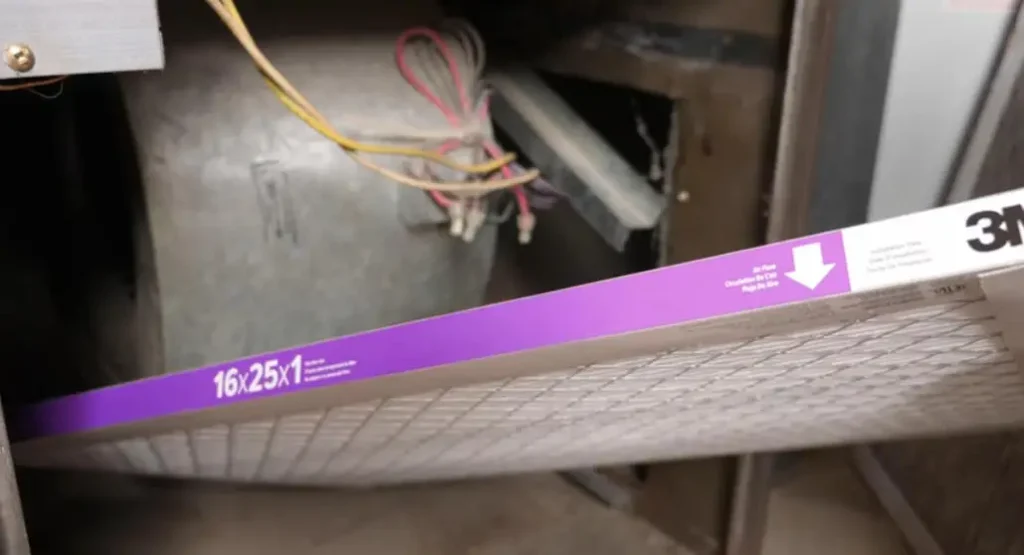
Open the intake grille or access panel to pull out the old, clogged air filter. Before you toss it, look closely at the outer frame. You will see printed arrows indicating the required airflow direction. Your heat pump pulls air from your living space into the system, so the arrows must point toward the furnace or air handler unit, away from the room.
3. Install the New Filter Correctly
Slide the fresh replacement filter into the slot, ensuring the airflow arrows point in the exact same direction as the old one. Installing it backward restricts air quality delivery and lowers your overall energy efficiency savings. Make sure the filter fits snugly without bending or leaving gaps where dust and pet dander can bypass the filtration system.
4. Tips for Cleaning a Washable Heat Pump Filter
If your system uses a reusable or washable HVAC filter, you do not need a brand-new replacement each time. Instead, you can save on costs by keeping it clean.
- Rinse thoroughly: Take the dirty filter outside and spray it down with a garden hose, or rinse it in a large sink using low pressure. Always spray against the direction of the airflow arrows to flush out trapped mold spores and dust.
- Avoid harsh chemicals: Use only clean water or a mild, eco-friendly dish soap if it is heavily soiled.
- Let it dry completely: Never put a damp filter back into your system, as moisture breeds mold. For a detailed breakdown on maintaining these reusable options without damaging them, check out our step-by-step guide on how to clean an air filter properly.
Frequently Asked Questions About Heat Pump Filters
Do heat pumps have filters in the outdoor unit?
No. Your outdoor unit does not contain an HVAC air filter. The filtration system lives entirely inside your indoor air handler or return air grille to clean the breathing air before it circulates through your rooms. Keep the outdoor unit clear of leaves and debris, but leave the filtering to the indoor components.
Can I run my heat pump without a filter temporarily?
Avoid doing this. Running your system without a filter—even for a night—invites dust, pollen, mold spores, and pet dander straight into the internal coils. This causes immediate airflow restriction, lowers energy efficiency, and can lead to costly HVAC maintenance down the road.
Why is my heat pump filter turning black?
A black clogged air filter’s symptoms usually point to a few specific issues. Carbon soot from burning candles or fireplaces is a common culprit. However, if you notice a damp smell, it could indicate mold growth. In rare cases, it signals a serious issue like a malfunctioning furnace or fan motor, meaning you should check your filterbuy vs filtrete air filters comparison to find a high-quality replacement immediately.
What size heat pump filter do I need?
The easiest way to find your furnace filter replacement size is to check the cardboard frame of your current filter. The measurements are printed on the side (e.g., 20x20x1). If you cannot find it, measure the inside of the return air duct slot where the filter slides in to get the correct dimensions for a snug fit.