You’ve likely heard the horror stories: a homeowner upgrades to a high-efficiency filter, only to find their HVAC system struggling, their energy bills spiking, or worse—a burnt-out blower motor. It’s the classic tug-of-war between wanting hospital-grade indoor air quality (IAQ) and keeping your home’s mechanical heart beating strong.
Is MERV 13 actually too high for your home?
The internet is full of conflicting advice, but the truth isn’t black and white. It’s a matter of engineering, static pressure, and understanding how your specific system handles airflow restriction. In this guide, I’m going to cut through the myths and show you exactly how to achieve superior particle removal efficiency without sacrificing your system’s longevity. As a manufacturer, we’ve spent years perfecting pleated air filter technology to ensure you don’t have to choose between clean air and a healthy HVAC unit.
If you’re ready to stop guessing and start breathing better, let’s dive into the science of residential filtration.
Understanding the MERV 13 Rating
When upgrading your residential filtration, the first step is understanding how air filters are graded. MERV stands for Minimum Efficiency Reporting Value. It is a nationally recognized industry standard developed by ASHRAE to measure an air filter’s overall effectiveness.
The MERV scale ranges from 1 to 16 for standard residential and commercial systems. The higher the number, the tighter the filter mesh, and the smaller the particles it can trap.
How the MERV System Works
- The Rating Mechanism: Filters are tested by exposing them to particles of varying sizes, from large dust bunnies to microscopic bacteria.
- The “Minimum” Guarantee: The rating represents the filter’s worst possible performance. A MERV 13 filter is guaranteed to catch a specific percentage of even the most elusive microscopic particles on its very first day in your HVAC system.
- Targeting the Invisible: While lower-rated filters only catch what you can see, a MERV 13 filter is designed to capture microscopic airborne contaminants, significantly upgrading your indoor air quality (IAQ).
As a dedicated manufacturer, we engineered our high-efficiency filters to excel within this standard, providing optimal particle removal efficiency without unnecessarily choking your system’s airflow.
Particle Removal Efficiency of MERV 13 Filters
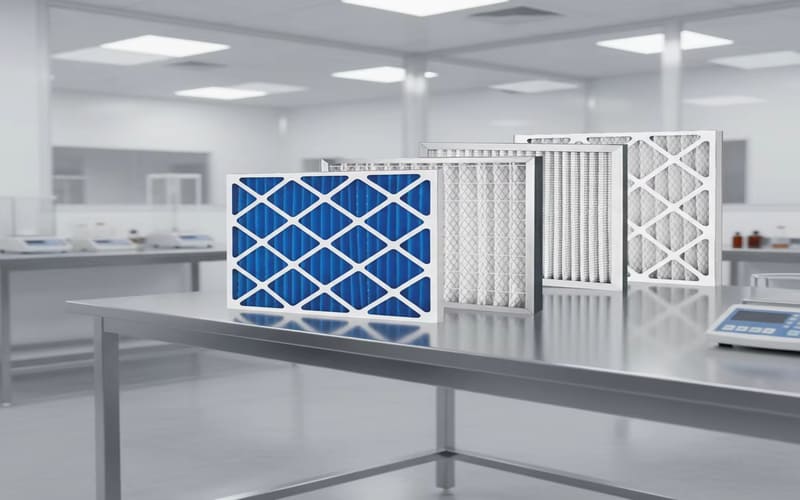
When looking at how different filters protect your indoor air quality, the main difference lies in their particle removal efficiency. A standard MERV 8 filter acts as a basic shield, capturing large debris like dust mites, pollen, and mold spores. Upgrading to a MERV 11 filter provides better residential filtration by trapping smaller pet dander and auto emissions. However, a MERV 13 filter significantly raises the bar for health and safety.
To understand the jump in performance, it helps to look at what these filters actually trap across different particle sizes measured in microns:
- MERV 8: Captures roughly 20% of fine particles (1.0 to 3.0 microns) and around 70% of large particles (3.0 to 10.0 microns).
- MERV 11: Traps more than 65% of fine particles and over 85% of large particles.
- MERV 13: Captures more than 50% of micro-particles (0.3 to 1.0 microns)—including bacteria, smoke, and virus carriers—and over 90% of fine and large particles.
| Filter Rating | Micro-Particles (0.3–1.0 $mu$m) | Fine Particles (1.0–3.0 $mu$m) | Large Particles (3.0–10.0 $mu$m) | Common Targets |
|---|---|---|---|---|
| MERV 8 | Minimal capture | ~20% | ~70% | Dust, pollen, mold spores |
| MERV 11 | Minimal capture | >65% | >85% | Pet dander, car emissions |
| MERV 13 | >50% to 74% | >85% | >90% | Smoke, bacteria, viruses |
If your household deals with severe allergies, asthma, or regular wildfire smoke, the superior trapping capability of a MERV 13 pleated air filter is highly effective. To get a complete breakdown of how these ratings are tested and measured, check out our complete guide to MERV air filter ratings. While lower-rated filters keep your furnace filter clean from large dust bunnies, a MERV 13 filter is designed to actually clean the air you breathe.
Comparative Analysis of MERV Ratings
When comparing air filters, the main difference lies in their ability to capture microscopic pollutants. We categorize these by micron size, ranging from large dust particles to invisible bacteria. Selecting the right level depends entirely on your specific environment and health requirements.
| MERV Rating | Particle Size Target | Best-Use Scenarios |
|---|---|---|
| MERV 8 | 3.0 to 10.0 microns | Basic residential use; captures dust, lint, and pollen. |
| MERV 11 | 1.0 to 3.0 microns | Homes with pets or mild allergies; captures pet dander and dust mites. |
| MERV 13 | 0.3 to 1.0 microns | Superior IAQ; traps smoke, bacteria, and virus carriers. |
To find the perfect balance for your home, it helps to understand which MERV rating filter should you use for home air quality to ensure you aren’t over-restricting your system.
- Large Particles (3-10 microns): These include pollen, dust, and mold spores. Most standard filters handle these easily.
- Small Particles (1-3 microns): This range includes fine dust and pet dander. Upgrading to MERV 11 is usually the sweet spot for pet owners.
- Sub-Micron Particles (0.3-1.0 microns): This is where MERV 13 shines, capturing smoke, smog, and bacteria.
While higher ratings offer better particle removal efficiency, it is vital to check your system’s capability. For a deeper dive into how these sizes are measured, you can read our guide on the micron rating for air filters to see exactly what is floating in your air. If you are asking is MERV 13 too high for home use, the answer often depends on whether you prioritize medical-grade filtration over standard airflow.
The Physics of Airflow and Static Pressure

When you upgrade to a tighter filter, you change the internal physics of your heating and cooling system. Every HVAC system is designed to handle a specific amount of static pressure, which is the resistance the HVAC blower motor encounters as it pushes air through your ductwork.
Introducing a dense filter increases the pressure drop across the media. Think of it like drinking through a narrow straw; the tighter the weave, the harder your system has to work to pull air through.
How Airflow Restriction Affects Your Blower Motor
When a filter creates excessive airflow restriction, the consequences directly impact your system’s performance and longevity:
- Reduced Air Velocity: High resistance slows down the volume of air circulating through your home, leading to uneven temperatures and hot or cold spots.
- Increased Motor Wear: Standard permanent split capacitor (PSC) motors will slow down, overheating the system, while electronically commutated motors (ECM) will ramp up their speed to compensate, drawing significantly more electricity.
- System Short-Cycling: Restricted airflow causes heat exchangers to overheat in the winter and evaporator coils to freeze in the summer, triggering safety shutdowns.
Managing this resistance is crucial for maintaining both your indoor comfort and the health of your equipment. If your system is working too hard against a restrictive barrier, it will exhibit clear warning signs. To prevent sudden breakdowns, it is essential to monitor your system and know how can I tell if my furnace filter needs changing before pressure levels reach a critical tipping point.
Identifying Signs of System Strain
When you switch to a high-efficiency filter, your HVAC system may struggle to pull air through the denser media. Recognizing the early signs of airflow restriction is essential to prevent long-term damage to your blower motor. If your system is working harder than it should, you will likely notice these specific indicators:
- Increased Energy Bills: A sudden, unexplained spike in your monthly utility costs often points to the HVAC blower motor working overtime to overcome high static pressure.
- Reduced Airflow at Registers: Place your hand near your vents; if the air feels sluggish or significantly weaker than before the filter change, the system is likely choked.
- Extended Run Times: If your heating or cooling cycle takes much longer to reach the set temperature, the system is struggling to circulate the required volume of air.
- Unusual Noises: A whistling sound coming from your return vents or a strained, humming noise from the furnace cabinet indicates the motor is fighting against a vacuum.
- Temperature Imbalance: Rooms furthest from the air handler may become noticeably warmer or cooler than the rest of the house because the air lacks the velocity to travel through the full length of the ductwork.
Ignoring these red flags can lead to overheating, tripped breakers, or premature component failure. If you suspect your filter is causing these issues, it is often helpful to understand why is my air filter black, as debris buildup can exacerbate existing pressure drops. Monitoring these performance changes ensures your indoor air quality improvements do not come at the expense of your hardware.
Evaluating Your HVAC System Compatibility: Is MERV 13 Too High For Home Use?
Before upgrading your residential filtration, you must evaluate whether your heating and cooling equipment can handle a higher efficiency rating. Older HVAC systems often struggle with the increased resistance of thick filters, while newer setups adapt much better. The biggest deciding factor is the type of blower motor hidden inside your furnace or air handler.
Blower Motor Breakdown: PSC vs. ECM
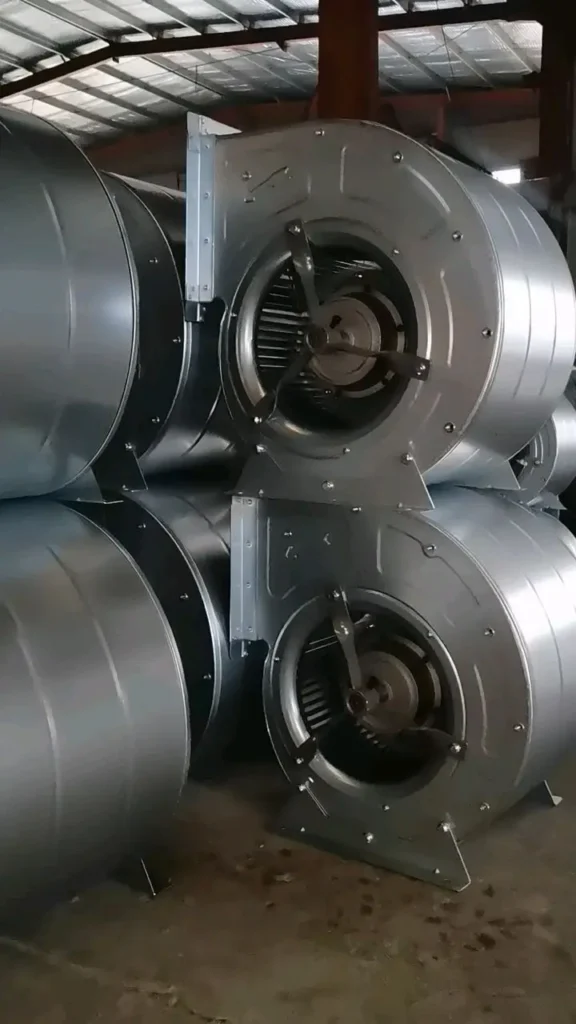
How your system responds to a high-efficiency upgrade depends entirely on its motor technology:
- Permanent Split Capacitor (PSC) Motors: Found in older or budget-friendly systems, these motors run at one constant speed. When a more restrictive filter is introduced, the system’s Total External Static Pressure (TESP) rises. Airflow drops significantly, causing the system to overheat or freeze up.
- Electronically Commutated Motors (ECM): These modern, variable-speed motors automatically adjust their speed to maintain consistent airflow. If you switch from a standard filter to a higher-rated option, an ECM ramps up its power to overcome the resistance.
Important Note: While an ECM handles the restriction better, running it at maximum capacity for extended periods will increase your energy costs and shorten the motor’s lifespan.
When deciding between a MERV 11 vs MERV 13 air filter, checking your system’s age and motor type ensures you do not accidentally trigger costly equipment damage or system failure.
The Importance of Filter Thickness and Surface Area
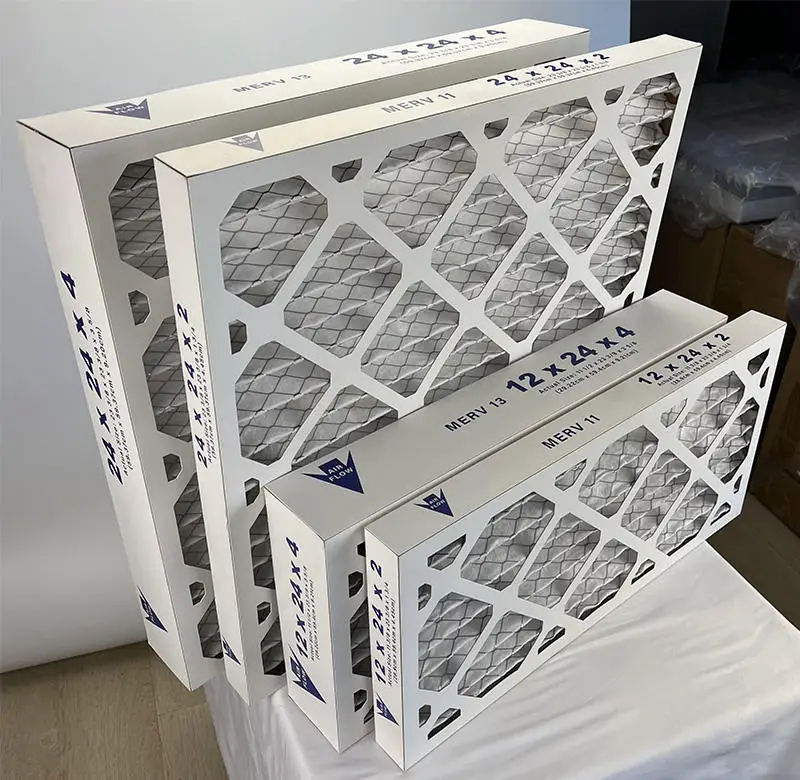
When upgrading to a MERV 13 rating, the physical dimensions of your filter are just as critical as the media efficiency. Many homeowners struggle with airflow restriction because they rely on standard 1-inch pleated air filters. While convenient, 1-inch filters have a limited surface area, meaning they clog quickly and create a significant pressure drop that forces your HVAC blower motor to work harder.
Switching to a 4-inch deep-pleated filter is the most effective way to mitigate these issues. By increasing the depth, you exponentially expand the total surface area available for particle capture. This design allows for:
- Lower Initial Resistance: A larger surface area allows air to pass through more easily, maintaining consistent airflow even with high-efficiency media.
- Extended Service Life: Because there is more material to trap dust, pet dander, and mold spores, the filter does not reach capacity as rapidly as a thin 1-inch model.
- Reduced Static Pressure: The increased pleat count lowers the overall pressure drop, protecting your HVAC system from unnecessary strain and potential mechanical failure.
If your ductwork allows for a media cabinet upgrade, moving from a 1-inch to a 4-inch filter is the single best decision you can make for your indoor air quality. It balances the high-performance filtration of MERV 13 with the airflow requirements necessary to keep your furnace filter replacement cycle manageable and your system running efficiently. Understanding the differences between air filters and furnace filters can help you determine if your current housing supports this transition to deeper, more effective filtration media.
Steps to Safely Upgrade Your Filtration
If you are wondering, “Is MERV 13 too high for home use?” the answer depends entirely on how you manage the upgrade. You can absolutely enjoy cleaner air without sacrificing your HVAC system’s health by following a systematic approach to verify compatibility.
1. Check Your HVAC Manual and Equipment Ratings
Before buying a higher-efficiency pleated air filter, locate your HVAC system’s user manual or check the physical cabinet. Look for the maximum allowable static pressure rating (usually expressed in inches of water column or i.w.c.). Standard residential systems are typically rated for a total external static pressure of 0.50 i.w.c.
2. Verify and Measure Static Pressure
Have an HVAC professional measure your system’s current static pressure during a routine service call. This step ensures your ductwork and blower motor have enough breathing room to handle the increased resistance of a thicker, higher-efficiency media filter.
3. Implement Best Practices for System Maintenance
Upgrading your residential filtration requires a stricter approach to routine maintenance to prevent airflow restriction.
- Monitor Filter Condition Frequently: Check your new filter every 30 days during peak heating and cooling seasons.
- Establish a Rigid Replacement Schedule: Do not let a high-efficiency filter run until it is completely choked with dust. A timely furnace filter replacement protects your system from overheating or freezing up.
- Keep Vents Open: Ensure all supply and return vents throughout the house remain completely open to optimize baseline system airflow.
For larger facility equipment or industrial setups where airborne contaminants require heavy-duty containment before reaching your primary filters, implementing a rugged dust collector bag filter can significantly extend the lifespan of your entire ventilation network. Taking these steps guarantees that your transition to high-efficiency filtration brings maximum relief from allergies and asthma without triggering expensive energy bills or equipment failure.
The Komtfil Approach to High-Efficiency Filtration
At Komtfil, we engineered our filters to solve the classic HVAC dilemma: achieving maximum indoor air quality (IAQ) without choking your system’s airflow. Standard residential filtration often forces homeowners to choose between clean air and a healthy HVAC blower motor. We designed a better way forward.
Our advanced filters utilize high-efficiency synthetic media combined with a specialized pleat geometry. This design drastically increases the overall surface area of the filter, allowing it to capture microparticles like a MERV 13 while maintaining a remarkably low pressure drop.
Why the Komtfil Design Defies High Static Pressure
- Advanced Synthetic Media: Our custom-blended fibers use an electrostatic charge to pull tiny particles out of the air stream without requiring a dense, airflow-blocking physical barrier.
- Optimized Pleat Geometry: By precision-spacing each pleat, we maximize the surface area. More surface area means air can flow freely, keeping static pressure low and protecting your equipment from strain.
- Energy-Efficient Performance: Because your system doesn’t have to fight a massive restriction, your monthly energy bills stay low, and your blower motor experiences significantly less wear and tear.
If you are dealing with heavy airborne particles during renovations or workshop projects, maintaining proper airflow is just as critical as it is for your home system. Just as you wouldn’t operate specialized equipment like a dust collector filter without considering air restriction, your home furnace deserves the same precise balance of protection and breathability. Our engineered pleat technology ensures your home enjoys elite particle removal efficiency without sacrificing the longevity of your heating and cooling investment.
Frequently Asked Questions: Is MERV 13 Too High For Home Systems?
Does a MERV 13 filter increase energy costs?
It can if you use a low-quality, standard 1-inch fiberglass or poorly pleated air filter. MERV 13 filters have tighter weaves to capture smaller particles, which naturally creates more airflow restriction and higher static pressure. If your HVAC blower motor has to work harder to pull air through a clogged or restrictive filter, your energy efficiency drops, leading to higher utility bills. However, using a deep-pleated 4-inch filter or an advanced synthetic media option keeps the pressure drop low and your energy costs stable.
Is MERV 13 better for homes with pets?
Yes, MERV 13 is highly effective for residential filtration in pet-owning households. While a standard MERV 8 or MERV 11 filter can catch large clumps of pet hair, they often miss microscopic pet dander, dust mites, and airborne bacteria. A MERV 13 upgrade significantly improves indoor air quality (IAQ), providing much-needed allergy and asthma relief by trapping the tiny dander particles that trigger respiratory issues.
How often should I replace a MERV 13 furnace filter?
- 1-inch pleated air filters: Change every 30 to 90 days depending on pet occupancy and usage.
- 4-inch media filters: Change every 6 to 9 months due to the larger surface area.
- During peak heating season or summer cooling: Check the filter monthly to ensure it isn’t causing system strain.
What happens if MERV 13 is too restrictive for my system?
If your ductwork or older HVAC system cannot handle the airflow resistance, you may experience short-cycling, frozen AC coils, or a premature failure of your furnace blower motor. If your system requires a step down in efficiency but you still need heavy-duty commercial-grade filtration for a specialized setup, look into higher capacity systems like MERV 14 filters or system modifications to accommodate the increased resistance safely.