Understanding the Role of a Cabin Air Filter in Your Vehicle
The cabin air filter is the unsung hero of your vehicle’s interior environment. While many drivers focus on engine performance, the cabin filter is specifically designed to treat the air that you and your passengers breathe. As a premier cabin air filter manufacturer and supplier, we understand that this component is the primary barrier between the harsh outdoor environment and your car’s cabin.
How the Cabin Air Filter Works with Your HVAC System
The cabin filter is integrated directly into the vehicle’s HVAC system. When you engage the fan, air is pulled from the outside (or recirculated) through the filter media before it reaches the vents.
- Filtration: It captures dust and debris, pollen, and allergens.
- Airflow Efficiency: High-quality filters ensure maximum ventilation while maintaining a clean evaporator core.
- Protection: Trapping contaminants prevents moisture buildup and premature wear on the blower motor.
The Difference Between Cabin and Engine Air Filters
It is a common misconception to conflate these two components. While both are essential for car maintenance, they serve entirely different purposes:
| Feature | Cabin Air Filter | Engine Air Filter |
|---|---|---|
| Primary Goal | Cleans air for passengers | Cleans air for the engine |
| Location | Usually behind the glovebox or cowl | Inside the engine bay (air box) |
| Impact | Affects air quality and cooling performance | Affects vehicle power and fuel combustion |
| Contaminants | Smells, soot, and fine particles | Cleans the air for the engine |
Neglecting the cabin filter directly compromises the internal temperature and hygiene of your vehicle, making regular replacement a non-negotiable part of your maintenance routine.
How a Dirty Cabin Air Filter Affects AC Performance
If you’ve noticed your car isn’t staying as cool as it used to, the culprit is likely a clogged filter. When debris builds up, it creates a physical barrier that prevents your HVAC system from doing its job effectively.
Reduced Airflow and Cooling Efficiency
A dirty cabin air filter acts like a wall, severely choking the airflow efficiency of your vents. Even if you crank the AC to the max, you’ll only feel a weak breeze. This lack of circulation means your cabin takes much longer to reach a comfortable temperature, often leading to the misconception that you are low on AC refrigerant. In reality, can a dirty air filter cause AC not to cool is one of the most common issues we see regarding poor cooling performance.
Increased Strain on the AC Blower Motor
When the intake is blocked, your blower motor has to work twice as hard to pull in air. This extra effort leads to:
- Mechanical Wear: The motor runs hotter and may burn out prematurely.
- Increased Noise: You might hear a loud humming or whistling as the fan struggles against the resistance.
- Battery Drain: Higher electrical demand from a struggling motor can put unnecessary stress on your vehicle’s charging system.
Impact on Temperature Regulation and Climate Control
A compromised filter disrupts the internal temperature sensors in modern automatic climate control systems. Because the air isn’t moving properly, the sensors get “confused,” causing the system to fluctuate wildly or fail to maintain a steady chill. By ensuring you have a clean cabin air filter, you maintain the balance of the entire HVAC system, ensuring the evaporator core doesn’t freeze over due to lack of air movement.
Common Symptoms of a Clogged Cabin Air Filter
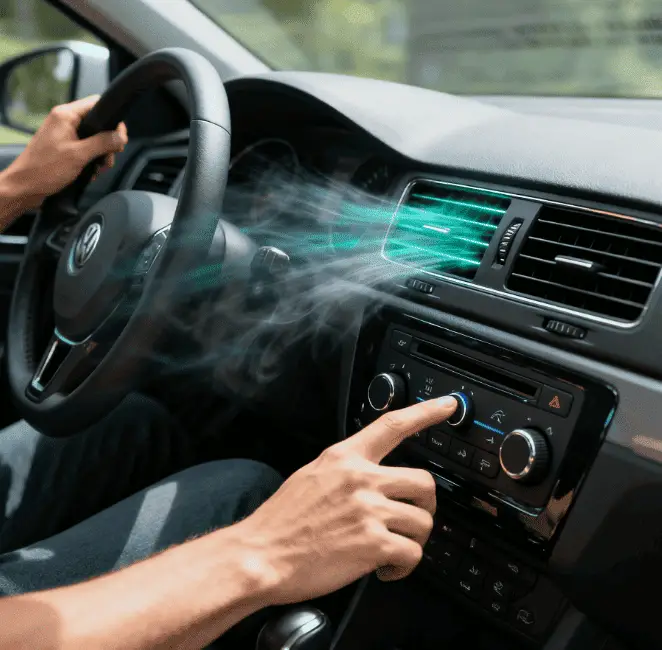
If you’ve been wondering can cabin air filter affect AC performance, the answer is a resounding yes. A neglected filter doesn’t just sit there; it actively degrades your driving experience. Identifying these common symptoms early can save you from a hot cabin and expensive repairs.
Weak or Restricted Airflow from Vents
When a filter is packed with dust and debris, it acts like a wall rather than a sieve. You’ll notice that even when you crank the AC to the highest setting, the weak airflow coming from the vents feels like a light breeze. This blocked ventilation forces your system to work overtime just to move a fraction of the air it should.
Unpleasant Musty Odors and Mold Growth
A dirty filter often traps moisture, creating a breeding ground for bacteria. If you notice a musty smell as soon as you turn on the air, it’s a clear sign of mold growth within the pleats. Understanding what a cabin air filter does helps you realize that its job is to keep these smells out of your lungs, not harbor them.
Excessive Noise When the AC is Running
A heavily clogged filter restricts the intake, causing the blower motor to strain. This results in a noticeable humming or whistling fan noise as the system struggles to pull air through the obstruction. If your dash sounds like it’s gasping for air, the filter is likely the culprit.
Dust Buildup and Poor Interior Air Quality
If you find yourself constantly wiping fine dust off your dashboard, your filter has likely failed. A compromised filter allows allergens, pollen, and fine particles to bypass the system entirely. This leads to:
- Poor interior air quality for passengers.
- Reduced defogging performance on the windshield.
- Increased sneezing and respiratory irritation during long drives.
The Hidden Costs of Neglecting Your Cabin Filter
Ignoring a clogged filter does more than just make your car smell funny; it hits your wallet and your health. When you realize how much can cabin air filter affect ac performance, you start to see the ripple effect it has on the entire vehicle’s operation.
Decreased Fuel Efficiency and Engine Power
It might sound strange that a small interior filter affects your gas mileage, but the logic is simple. When the HVAC system is blocked by dust and debris, your AC has to work twice as hard to reach the desired internal temperature.
- Blower Motor Strain: The fan draws more electrical power to push air through the blockage.
- Alternator Load: Increased electrical demand puts a slight but constant load on the engine.
- Fuel Consumption: In the long run, a struggling system leads to decreased fuel efficiency as the engine compensates for the extra mechanical and electrical stress.
Potential Damage to the HVAC Evaporator and Components
A dirty filter is the leading cause of expensive repair bills. If the airflow efficiency drops too low, the evaporator core can actually freeze over. This moisture buildup leads to corrosion and leaks in the AC refrigerant lines. Furthermore, failing to change the filter can lead to debris bypassing the seal and clogging the cooling fins. To avoid these issues, it is essential to understand the risks of running an air conditioner without a filter and maintain a clean barrier at all times.
Health Risks from Pollutants and Allergens
Your car’s cabin is a confined space. Without a functional filter, you are essentially breathing in concentrated road grime. Neglecting the replacement interval turns your dashboard into a breeding ground for:
- Allergens and Pollen: Triggering sneezing and watery eyes while driving.
- Mold and Bacteria: Thriving in the moisture buildup behind the vents, causing that signature musty smell.
- Fine Particulate Matter: Long-term exposure to exhaust soot and road dust can irritate the respiratory system.
| Issue | Impact on Vehicle | Long-term Consequence |
|---|---|---|
| Clogged Media | Restricted Ventilation | Blower Motor Failure |
| Moisture Trapped | Mold Growth | Evaporator Corrosion |
| Debris Bypass | Poor Air Quality | Health Complications |
How to Maintain and Replace Your Cabin Air Filter
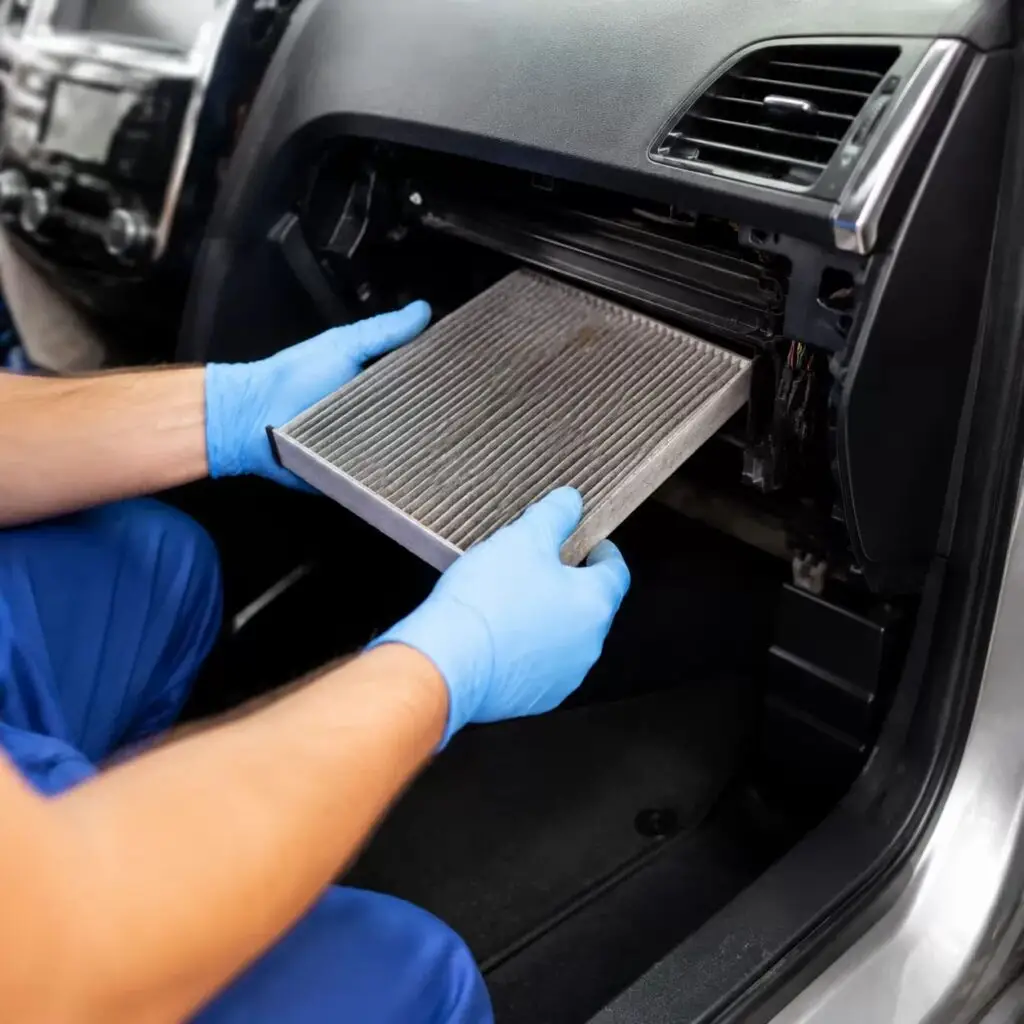
Keeping your vehicle’s air fresh isn’t just about comfort; it’s about protecting your HVAC system and your health. Maintenance is straightforward, but consistency is the key to preventing a clogged filter from ruining your drive.
Recommended Replacement Intervals and Signs of Wear
For most drivers, the standard replacement interval is every 12,000 to 15,000 miles, or at least once a year. However, if you frequently drive in heavy traffic, dusty rural areas, or high-pollen environments, you might need to swap it every six months. Keep an eye out for these red flags:
- Weak airflow even when the fan is on the highest setting.
- A persistent musty smell or “dirty sock” odor.
- Increased fan noise as the blower motor struggles to pull air through debris.
How to Inspect and Locate Your Cabin Filter
Most modern vehicles make it easy to access the filter without a mechanic. You can usually find it in one of three spots:
- Behind the glovebox: The most common location; usually requires releasing a few tabs.
- Under the dashboard: Located on the passenger side near the floor.
- Under the hood: Situated near the base of the windshield under a plastic cowl.
To inspect it, simply pull the tray out. If the pleats are filled with dust and debris, insects, or leaves, it’s time for a fresh one.
Choosing the Right Replacement: HEPA vs. Carbon Filters
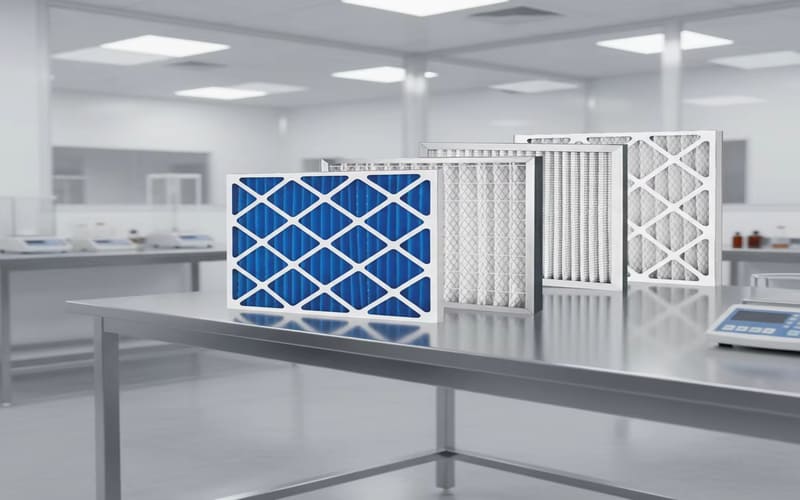
When it’s time for a new unit, you have choices based on your specific needs. Standard paper filters catch basic dust, but upgrading can significantly improve air quality.
- HEPA Filters: These are the gold standard for allergy sufferers, capturing 99.97% of microscopic particles.
- Activated Carbon Filters: These contain a layer of charcoal to neutralize odors and exhaust fumes. When deciding between carbon vs. standard air filters, consider that carbon is far superior at scrubbing the air of smells and harmful gases.
- Hybrid Options: Many of our premium filters combine these technologies. Understanding the benefits of HEPA vs. carbon filters helps you choose whether you need maximum particle filtration or better odor control for your daily commute.
Frequently Asked Questions About Cabin Filters and AC
We hear a lot of concerns from drivers wondering just how much a small filter can impact their driving experience. Here are the straight answers to the most common questions regarding how a cabin air filter affects AC performance.
Can a bad cabin air filter cause the AC to stop working?
Technically, a clogged filter won’t usually cause the entire AC system to “die” instantly, but it can make it feel like it has. If the filter is completely blocked with dust and debris, the airflow efficiency drops so low that almost no cold air reaches the cabin. Furthermore, if the lack of airflow causes the evaporator core to freeze over, the system will stop blowing cold air entirely until it thaws. If you’re troubleshooting a system that seems dead, it’s worth checking why is my air filter black as extreme buildup is often the primary culprit behind poor ventilation.
Is it safe to run the AC without a cabin air filter?
While your AC will technically blow harder without a filter, it is not recommended for more than a very short trip. Running without one allows pollen, dirt, and moisture to settle directly on your HVAC components. This leads to:
- Mold growth on the internal coils.
- Debris is clogging the blower motor.
- Long-term damage to the heating system and cooling fins.
Can the wrong cabin filter damage my car’s HVAC system?
Yes. Using a filter that doesn’t fit perfectly or one with an incorrect CADR (Clean Air Delivery Rate) can cause issues. A filter that is too restrictive or the wrong size can create a pressure imbalance, putting increased strain on the AC blower motor. It is vital to ensure proper HVAC installation by checking the airflow direction arrows to prevent unnecessary wear on the system.
How much does it cost to replace a cabin air filter?
Replacing a cabin filter is one of the most affordable car maintenance tasks.
- DIY Cost: Generally between $15 and $40, depending on whether you choose a standard or high-end HEPA/Carbon filter.
- Service Center Cost: Expect to pay $50 to $100, including labor.
Given that a dirty filter impacts fuel efficiency and internal temperature regulation, the small investment in a new filter pays for itself by preventing expensive repairs to the evaporator or blower motor later on.