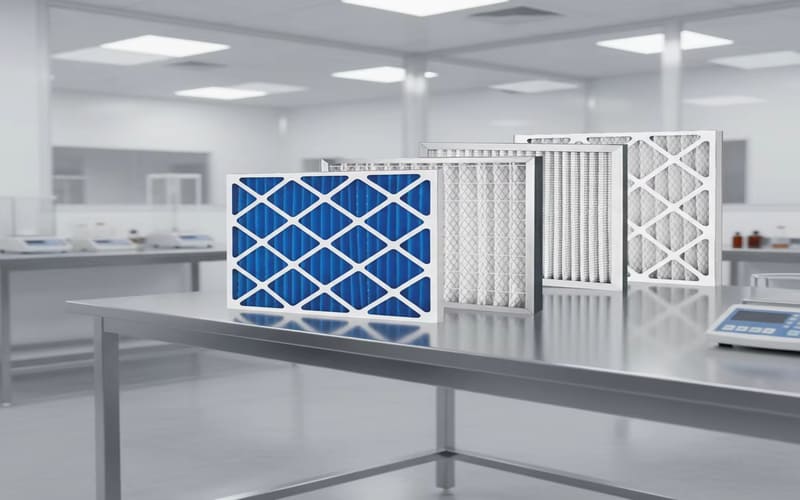
Choosing the wrong furnace filter types can do one of two things: completely waste your money on a filter that fails to catch dust, or choke your HVAC system’s airflow and trigger expensive mechanical breakdowns.
But with conflicting MERV ratings, endless material options, and confusing retail scales like FPR and MPR, finding the perfect match for your home’s air quality and your system’s longevity feels unnecessarily complicated.
This guide breaks down the noise so you can protect your equipment, eliminate allergens, and choose the exact filter your home actually needs.
Furnace Filter Basics: How They Work and Where They’re Used
Are you confused about the difference between a furnace filter, an HVAC filter, and a central AC filter? They are actually the same thing. Whether your system is heating your home in the winter or cooling it in the summer, air passes through the exact same filter slot.
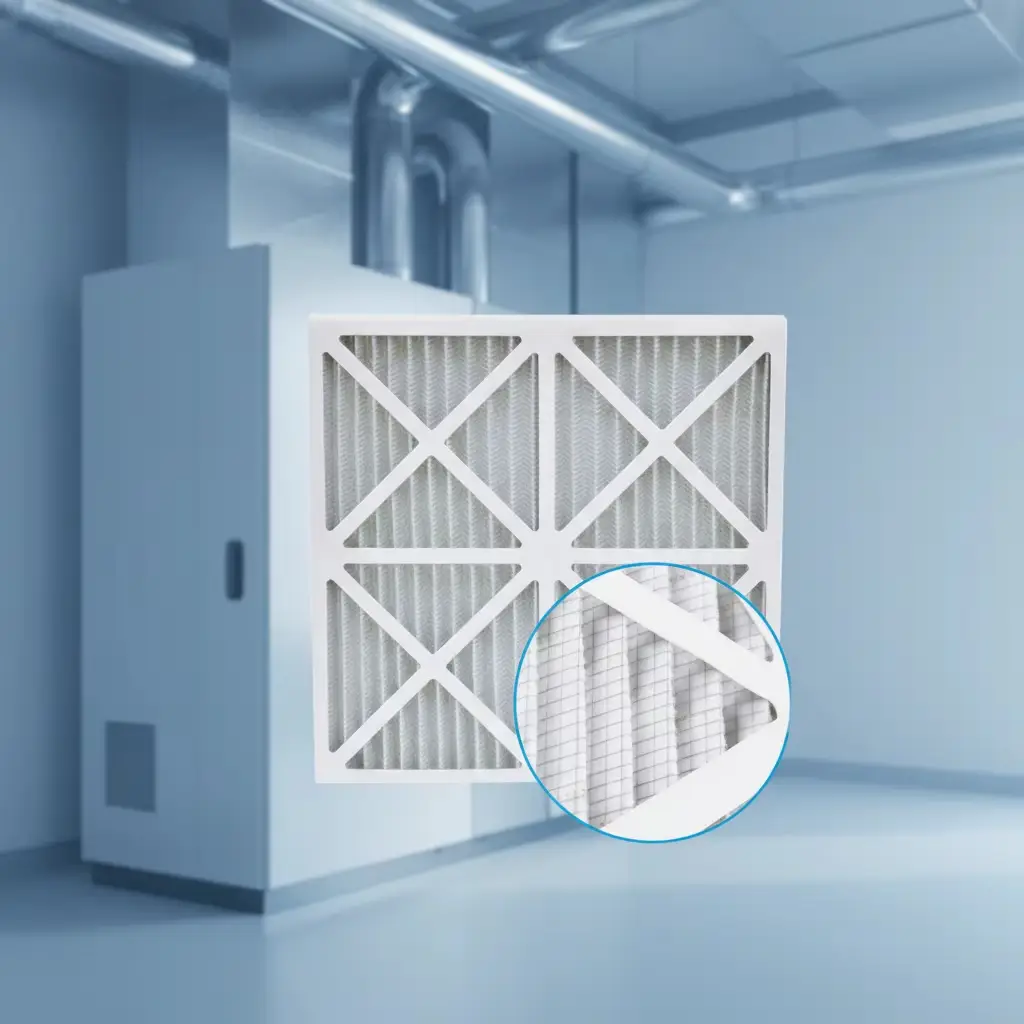
As a premier furnace filter manufacturer, we engineer these filters to keep your equipment running smoothly and your indoor air clean. A standard HVAC air filter consists of three core components:
- The Frame: A rigid outer border made of heavy-duty beverage board or aluminum that keeps the filter secure inside the ductwork.
- The Media: The physical material (such as fiberglass or polyester) that captures airborne contaminants.
- The Backing: A wire or synthetic mesh grid that reinforces the media against strong airflow.
How Air Flows and What Gets Captured
Your system pulls air from your living spaces, pushes it through the filter media, conditions it, and circulates it back. As air moves through, the media acts as a microscopic net.
Depending on the furnace filter types you choose, the system captures a wide range of particles:
| Particle Size Category | Common Airborne Pollutants |
|---|---|
| Large Particles | Dust, lint, and large pollen grains |
| Medium Particles | Pet dander, mold spores, and dust mites |
| Fine Particles | Smoke, smog, bacteria, and volatile organic compounds (VOCs) |
Airflow Resistance and System Efficiency
Every filter creates some level of airflow resistance. If a filter is too restrictive, your home heating and air conditioning system has to work twice as hard. This drops your system efficiency, spikes your energy bills, and can even cause equipment failure. Finding the right balance between high-efficiency filtration and optimal airflow is key.
Typical Applications
Our factory-direct solutions cater to every environment across the global market: Residential: Standard homes requiring reliable dust and lint control, or enhanced protection for allergies and pets. Light Commercial: Offices and retail spaces needing balanced central AC filter options to maintain tenant comfort. Specialized Environments: Medical facilities, labs, and industrial plants requiring heavy-duty allergen filtration and strict climate control.
Main Furnace Filter Types by Construction and Material
As a dedicated furnace filter manufacturer, we engineer a diverse selection of HVAC air filter types to balance budget, system compatibility, and air purification goals. The material and design you choose directly impact both your indoor air quality and heating system lifespan.
Fiberglass Furnace Filters
- Design & Efficiency: Simple spun-fiberglass construction with a low MERV rating (typically MERV 2–4).
- Primary Function: Designed almost exclusively to protect your home heating equipment from large lint and dust particles. They provide minimal air filtration for airborne allergens.
Pleated Furnace Filters
- Design & Efficiency: Constructed from pleated paper or synthetic polyester media, covering a versatile MERV 6–13 range.
- Primary Function: The tight surface area delivers excellent particle capture without choking your system. Upgrading to high-efficiency pleated options is the standard choice for improving general indoor air quality.
Electrostatic Furnace Filters
- Design & Efficiency: Utilizes static electricity via specialized media fibers that naturally attract airborne particles.
- Primary Function: Highly effective at pulling small dust and pollen particles out of the airstream. Available in both disposable and permanent setups.
HEPA Furnace Filters
- Design & Efficiency: High-density glass fiber media delivering near-total particulate removal.
- Primary Function: Traps 99.97% of contaminants down to 0.3 microns. Due to high airflow resistance, proper HEPA furnace filter compatibility must be verified with your system before installation.
Washable and Reusable Furnace Filters
- Design & Efficiency: Built with a rigid aluminum frame and layers of woven synthetic media.
- Primary Function: Designed for long-term cost savings. These filters are washed, dried, and reinstalled, reducing environmental waste while maintaining basic filtration.
Activated Carbon Furnace Filters
- Design & Efficiency: Combines particulate filtration with a specialized carbon layer.
- Primary Function: Formulated to adsorb odors, smoke, chemical fumes, and VOCs. This media is a top addition for commercial spaces or finding the best furnace filters for homes with pets.
Specialty Furnace Filter Designs
- Design & Efficiency: Heavy-duty configurations including bag, rigid box, panel, and V-filters.
- Primary Function: Engineered specifically for industrial, commercial, and high-volume central AC systems requiring extended service life and structural durability under high air pressures.
Quick Comparison of Core Filter Media
| Filter Type | Typical MERV Rating | Primary Benefit | Best For |
|---|---|---|---|
| Fiberglass | MERV 2–4 | Ultra low-cost | Basic equipment protection |
| Pleated Polyester | MERV 6–13 | Balanced airflow & capture | Standard homes, dust, and pollen |
| Electrostatic | MERV 4–10 | Static attraction of dust | Budget-conscious allergy relief |
| HEPA Media | MERV 17–20 | Maximum particle removal | Severe allergies and clinical spaces |
| Activated Carbon | Varies | Odor and gas adsorption | Smoke, cooking, and pet odors |
Choosing the right build is a matter of pairing your specific environment with your HVAC system’s capabilities. For a deeper look at optimizing your airflow dynamics, see our guide on the best furnace filters for airflow and indoor air quality.
Furnace Filter Efficiency: Understanding MERV, MPR, and FPR
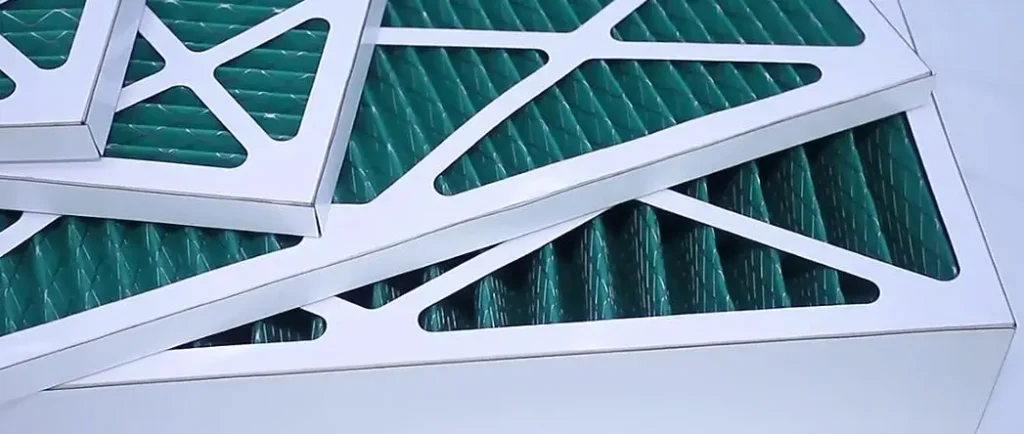
When shopping for HVAC air filter types, the alphabet soup of rating systems can get confusing. We manufacture filters using three primary rating systems: MERV, MPR, and FPR. Understanding these metrics helps you strike the perfect balance between air quality and home heating filters without choking your system.
What MERV Ratings Mean for Furnace Filters
MERV (Minimum Efficiency Reporting Value) is the global industry standard. Our high-efficiency furnace filters scale from MERV 1 to 16, but residential systems typically stay between MERV 8 and 13.
| MERV Rating | What It Captures | Best For |
|---|---|---|
| MERV 1–4 | Large particles, lint, heavy dust | Basic equipment protection only |
| MERV 5–8 | Mold spores, dust mites, pet dander and dust | Standard homes, budget-friendly |
| MERV 9–12 | Severe allergies, pet owners, and superior air quality | Severe allergies, pet owners, superior air quality |
| MERV 13–16 | Bacteria, smoke, microscopic allergens | Hospital-level cleanliness, smoke-prone areas |
Airflow Resistance and System Load
A higher MERV rating for home furnace use means tighter filter media, which catches smaller particles. However, denser media create higher airflow resistance. If a filter is too restrictive, it increases the system load, spikes your energy consumption, and can cause the heat exchanger to overheat. For a deeper dive into how filtration efficiency impacts system pressure, check out our comprehensive MERV ratings and pressure drop chart.
Decoding MPR and FPR vs. MERV
Different brands use alternative metrics, but they all measure similar performance traits: MERV, the industry standard measuring overall particle capture. MPR (Microparticle Performance Rating): Used by 3M (e.g., mpr 1900), focusing on the smallest particles between 0.3 and 1.0 microns. FPR (Filter Performance Rating): The Home Depot system ranked from 4 to 10.
To see exactly how these brand-specific cross-references align with industry-standard metrics, read our detailed MERV vs FPR vs MPR air filter ratings guide.
Pro Tip: Always check your furnace manual before upgrading to a high-MERV filter. Overspec’ing beyond your system’s rated capacity limits airflow, reduces comfort, and leads to premature equipment failure.
How to Choose the Right Furnace Filter Type for Your Home or Building
Matching Filter Type to Air Quality Needs
Every building has unique air quality needs. A standard home without pets requires a very different setup compared to a space with multiple shedding animals, wildfire smoke concerns, or severe allergy sufferers.
| Household Type & Environment | Key Contaminants to Capture | Recommended Filter Type |
|---|---|---|
| Standard Home | Basic dust, lint, and pollen | Pleated Polyester (MERV 8) |
| Pets & Minor Allergies | Pet dander, dust mites, and mold spores | High-Efficiency Pleated (MERV 11) |
| Severe Allergies & Asthma | Smoke, bacteria, and fine particulates | Premium Pleated / HEPA (MERV 13+) |
| Smokers & Strong Odors | Cooking smells, VOCs, and tobacco smoke | Activated Carbon Filter |
Considering Your Furnace and HVAC System Limitations
Going straight for the highest MERV rating isn’t always the best move for your home heating setup. If a filter media is too restrictive for your specific equipment, it drops the system pressure, chokes airflow, and puts massive strain on your blower motor. Keep an eye out for a few unmistakable signs your HVAC filter is clogged or too restrictive for your system to handle: Weak airflow blowing out of your supply registers. Short-cycling, where the furnace shuts down prematurely to prevent overheating. Unusually high energy bills caused by the system running longer to hit target temperatures. Whistling noises near the return air grille are due to excessive suction.
Balancing Cost, Performance, and Lifespan
As a direct manufacturer, we always advise looking at the total cost of ownership rather than just the initial price tag. Low-cost fiberglass options require monthly swap-outs and offer zero allergen filtration, whereas premium pleated variants last anywhere from 3 to 6 months while actively cleaning your air. To find the sweet spot between upfront savings and long-term HVAC health, check out our comprehensive furnace filter cost factors and price guide to budget effectively for your property.
Furnace Filter Sizes, Thickness, and Fit
Finding the right furnace filter sizes and dimensions can be tricky if you do not know what to look for. A common trap is confusing nominal size with actual size. The nominal size is the rounded-up number printed on the cardboard frame (like 16x25x1), while the actual size is the precise physical measurement, which is usually about a quarter to a half-inch smaller.
Common Furnace Filter Dimensions
Residential systems typically use a few standard sizes and thicknesses, depending on the system setup: 1-inch filters: Most common in standard home heating and central AC units. 2-inch filters: Often found in light commercial systems or upgraded residential media cabinets. 4 to 5-inch media filters: Excellent for high-efficiency systems, offering deeper pleats and longer lifespans.
Why a Precise Fit Matters
If your filter is too small, unfiltered air slips right around the edges. This bypass air dumps dust, lint, and pet dander directly onto your heating coils and into your living space. If you notice your system accumulating debris quickly, it might be due to a poor fit or a completely separate issue, such as figuring out why is my air filter black after only a short period of use.
How to Measure and Handle Custom Sizes
To find your true furnace filter sizes, take a tape measure to your current filter’s outer edges—length, width, and depth—to get the exact physical dimensions.
| Filter Dimension Type | Example Printed Label | True Physical Measurement |
|---|---|---|
| Nominal Size | 20″ x 25″ x 1″ | Rounded for easy shopping |
| Actual Size | 19.5″ x 24.5″ x 0.75″ | The exact physical fit |
As a premier furnace filter manufacturer, we know that older units or specialized HVAC setups often require non-standard dimensions. When OEM specs do not match what is on the shelf, custom manufacturing is the best path to guarantee a perfect seal and maintain peak airflow efficiency.
Furnace Filter Replacement Schedule & Maintenance Best Practices
Knowing when to swap out your HVAC air filter types keeps your heating system running smoothly and protects your indoor air quality. We manufacture a wide range of filtration solutions, and we always emphasize that maintenance is just as important as the filter material itself.
General Replacement Guidelines by Filter Type
Different furnace filter types have varying lifespans based on their construction and thickness:
- Fiberglass filters: These basic, low-MERV filters offer minimal equipment protection and must be replaced every 30 days.
- Standard pleated filters: Made with polyester or paper media, these last between 60 to 90 days.
- High-efficiency furnace filters (Deep Pleat 4″+): Thicker media filters can last anywhere from 6 to 12 months before needing a change.
- Washable reusable furnace filters: These require a thorough cleaning every 30 to 90 days instead of disposal. However, if your filter has reached the end of its service life, you should review our guide on how to handle air filter disposal safely and responsibly.
Factors That Shorten Filter Lifespan
A standard schedule doesn’t fit every building. You will need to replace your filters much faster if your environment involves:
- Pets: Shedding fur and pet dander clog filter pleats quickly.
- Smoking: Tobacco or wood smoke introduces fine sticky particles that restrict airflow.
- Dust and Remodeling: Heavy construction dust or high-traffic areas load the media rapidly.
- Continuous Fan Operation: Running your central AC or furnace fan 24/7 means more air passes through, gathering debris faster.
Warning Signs Your Filter Needs Changing
Don’t wait for a total system breakdown. Look out for these clear indicators that your filter is full:
| Sign | What to Look For | Impact |
|---|---|---|
| Visual Inspection | Media looks dark gray, caked with dust and lint. | Blocked airflow |
| Airflow Changes | The media looks dark gray, caked with dust and lint. | Poor temperature control |
| Rising Energy Bills | Sudden spike in utility costs without extreme weather. | The system is working overtime |
| Allergy Symptoms | Increased sneezing, coughing, or dust buildup on furniture. | Poor air quality |
Quick Maintenance Checklist
Keep this simple routine to protect your home heating or commercial HVAC system:
- Check monthly: Visually inspect the filter condition every 30 days.
- Note the airflow arrow: Ensure the filter is installed facing the correct direction of the air stream.
- Inspect the seals: Make sure there are no gaps around the frame to prevent bypass air.
- Clean washable frames: If using an electrostatic air filter for furnace systems, ensure it is completely dry before reinserting it to prevent mold growth.
Industrial and Specialty Furnace Filter Types
Standard residential filters cannot handle the extreme conditions of commercial production. In manufacturing and heavy-duty environments, systems require specialized HVAC air filter types engineered for harsh climates, high temperatures, and chemical air filtration.
High-Temperature Furnace Filters
Specialized industrial equipment like drying ovens, paint booths, and cleanrooms requires filters that maintain structural integrity under extreme heat. We manufacture high-temperature furnace filters using specialized fiberglass or metallic media and silicone-free binders. These units operate safely at temperatures ranging from 250°C to over 350°C without shedding fibers or degrading.
Molecular and Gas-Phase Filters
For facilities dealing with volatile organic compounds (VOCs), acid gases, or hazardous chemical fumes, particulate filtration alone is not enough. We build molecular and gas-phase filters utilizing activated carbon, alumina, and potassium permanganate. These media chemically adsorb target gases rather than just trapping dust, protecting both worker health and sensitive machinery in chemical plants, paper mills, and labs.
Bag and Cube Filters for Central Systems
Large-scale central air handling systems require massive surface areas to maintain high airflow while capturing heavy dust loads. Bag Filters (Pocket Filters): Ideal for high-velocity systems, offering multi-pocket designs that maximize surface area and extend service life. Cube and Rigid Box Filters: Provide excellent stability in variable air volume (VAV) systems, preventing filter blowout under high pressure.
We frequently supply these heavy-duty configurations as primary or secondary stages within large industrial air filters to ensure comprehensive facility protection.
Custom OEM and Engineering Solutions
As a direct manufacturer, we partner closely with original equipment manufacturers (OEMs), facility managers, and project engineers to deliver exact-spec solutions. We customize dimensions, frames, and media blends to meet unique system footprints and pressure drop restrictions, ensuring your specialized HVAC infrastructure operates at peak thermal and mechanical efficiency.
Factory-Direct Furnace Filter Solutions
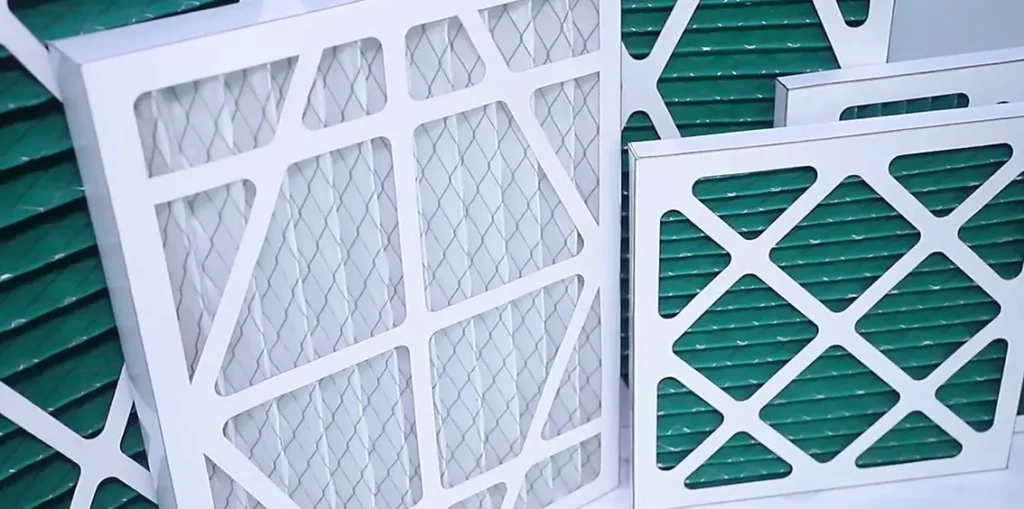
As a leading furnace filter manufacturer, we deliver direct-to-market filtration solutions that eliminate middlemen and cut unnecessary costs. We offer an extensive catalog featuring over 500 models, ranging from MERV 6 to MERV 15 efficiency ratings. Whether you need standard dimensions for residential upkeep or custom sizes engineered for specialized industrial configurations, our automated manufacturing lines provide precise design flexibility to meet any volume or specification.
Uncompromising Quality Assurance
Every filter we produce undergoes rigorous evaluation to guarantee dependable indoor air quality and structural integrity. Our state-of-the-art, ISO 6-rated testing laboratory verifies initial efficiency, dust-holding capacity, and overall service-life performance. We ensure that our pleated, fiberglass, and carbon media options meet strict global standards before leaving the factory floor, providing verifiable system protection and allergen filtration.
Your Strategic Supply Advantage
We combine high-speed automated production with comprehensive, one-stop service to streamline your supply chain.
- Fast Production & Delivery: Scalable manufacturing ensures rapid turnaround times for both small batches and bulk wholesale orders.
- Cost-Effective Manufacturing: Advanced automation lowers production costs, allowing us to pass significant savings directly to you.
- Comprehensive Logistics: We handle everything from raw material sourcing to final delivery, ensuring a seamless procurement process.
Supporting Homeowners and B2B Partnerships
Our factory-direct model is built to serve two distinct markets with equal efficiency. For homeowners, we provide retail-ready, premium high efficiency furnace filters that keep home heating and air conditioning systems running cleanly. For B2B clients—including HVAC distributors, facility managers, and project engineers—we deliver custom OEM furnace filter types tailored to unique equipment dimensions and strict commercial air quality demands.
FAQs About Furnace Filter Types
Are furnace filters and AC filters the same thing?
Yes. In most central HVAC systems, the furnace and the air conditioning unit share the exact same ductwork and slot. The filter screens the air for both heating and cooling cycles.
Will a higher MERV filter damage my furnace or HVAC system?
It can if you overdo it. A high MERV rating means a tighter weave. If your system isn’t designed to push air through a dense barrier, it restricts airflow, strains the motor, and cuts efficiency. Always check your system manual before upgrading.
What’s the difference between fiberglass and pleated filters?
Fiberglass filters are cheap, flat, and only trap large dust or lint particles to protect the equipment. Pleated filters use a folded polyester or cotton blend media, offering a larger surface area to trap smaller allergens like pet dander and pollen. For a deep dive into how these two stack up, check out our guide on pleated vs fiberglass air filters.
How often should I really change my furnace filter?
It depends entirely on your household and the filter thickness:
| Filter Type | Average Lifespan |
|---|---|
| 1-inch Fiberglass | 30 days |
| 1-inch Pleated | 60 to 90 days |
| 4-inch Media Filters | 6 to 9 months |
| Homes with multiple pets/smokers | Cut times in half |
Can I use a HEPA filter in a standard residential furnace?
No, true HEPA filters cannot be dropped directly into standard residential furnace slots. They are too thick and restrictive, which will quickly burn out your blower motor. For standard systems, a high-efficiency pleated option is a safer choice. You can learn more about these limitations in our breakdown of MERV vs HEPA filters.
What’s the best furnace filter for allergies and pets?
A pleated filter with a MERV 11 or MERV 13 rating delivers the best balance. It captures microscopic triggers like pet dander, mold spores, and pollen without suffocating your HVAC airflow.
Do washable furnace filters work as well as disposable ones?
Washable electrostatic filters are great for trapping large dust particles and saving money over time, but they fall short on trapping fine smoke, bacteria, and microscopic allergens compared to high-quality disposable pleated filters.
How do I find my furnace filter size if the label is missing?
Turn off the system, pull out the current filter, and use a tape measure to get the exact length, width, and depth. Round those numbers up to the nearest whole inch to get your nominal filter size (for example, 19.5″ x 24.5″ x 0.75″ is a standard 20x25x1 filter).