What Is a 20x25x4 Air Filter and How Long Does It Last?
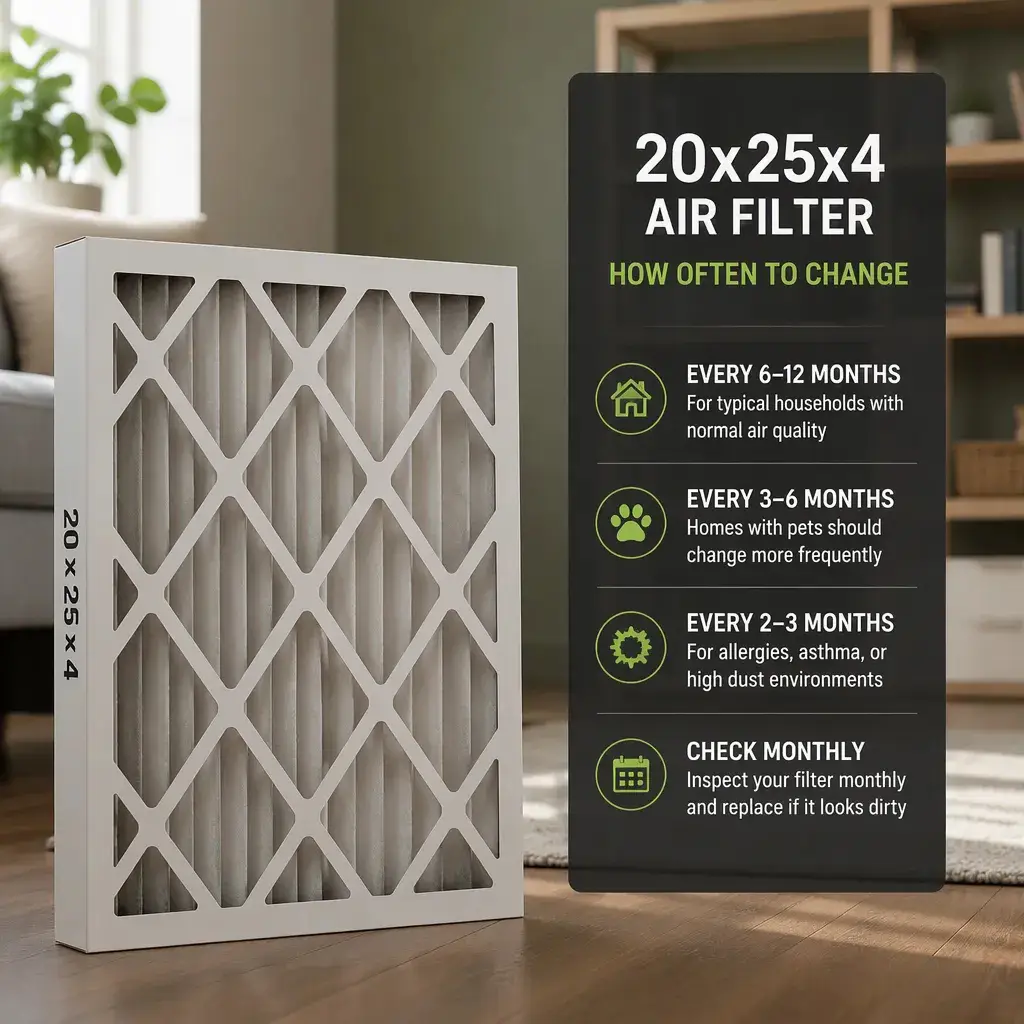
A 20x25x4 air filter is a high-capacity, deep pleated filter designed for residential media air cleaners and whole-house HVAC systems. Knowing how often to change a 20x25x4 air filter is critical for maintaining healthy indoor air quality and keeping your heating and cooling equipment running efficiently. Under normal operating conditions, a standard 4-inch deep filter lasts between 6 to 12 months.
Understanding 4-Inch Deep HVAC Filters
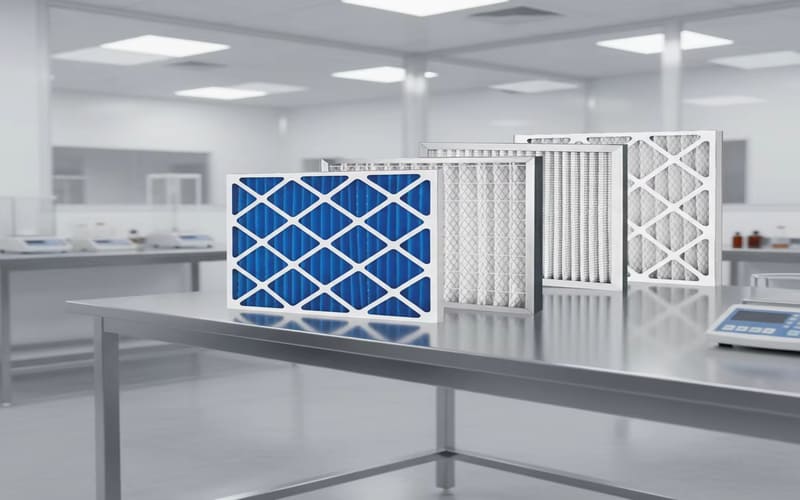
A 4-inch pleated filter utilizes deep accordion-style folds to maximize surface area within a compact cabinet footprint. As a specialized furnace filter manufacturer, we design these deep-pleated media filters to capture higher volumes of airborne contaminants without causing excessive air flow resistance.
Key structural features include: Expanded Surface Area: Contains up to 9 times more media material than thin standard filters. Optimized Airflow: Maintains steady furnace airflow while trapping micro-particles. Heavy-Duty Frame: Moisture-resistant cardboard frame prevents collapse under high static pressure.
Average Lifespan of a 20x25x4 Air Filter
While 1-inch filters require frequent changing, the generous filter lifespan of a 20x25x4 unit extends replacement cycles significantly:
- Vacation Homes / Single Occupant: 12 months
- Standard Household (No Pets): 9 to 12 months
- Homes with 1 Pet or Mild Allergies: 6 to 9 months
- Homes with Multiple Pets or High Dust Accumulation: 3 to 6 months
20x25x4 Filters vs. Standard 1-Inch Filters
Comparing a 4-inch media filter against a standard 1-inch fiberglass filter demonstrates why deep-pleated options offer superior long-term performance and efficiency.
| Feature | Standard 1-Inch Filter | 20x25x4 Deep Pleated Filter |
|---|---|---|
| Replacement Frequency | Every 30 to 90 days | Every 6 to 12 months |
| Filtration Surface Area | Low (~4.5 sq. ft.) | High (~30+ sq. ft.) |
| Dust Holding Capacity | Minimal | Exceptional |
| HVAC System Protection | Basic dust block | Superior particulate filtration |
| Airflow Efficiency | Clogs quickly | Sustained airflow over time |
Recommended 20x25x4 Air Filter Change Schedule
Knowing how often to change a 20x25x4 air filter keeps your home comfort system running efficiently while maintaining clean indoor air. Because deep pleated filters hold significantly more dust accumulation than thin 1-inch models, they offer a longer filter lifespan without sacrificing furnace airflow.
Standard Household Replacement Timeline
For a typical home under normal conditions, a 4-inch pleated filter generally lasts 6 to 12 months. However, your specific household dynamics dictate the exact furnace filter replacement schedule:
- Single-Occupant / Vacation Home: Replace every 12 months.
- Average Suburban Household (No Pets): Replace every 6 to 9 months.
- Homes with Pets or High Activity: Replace every 3 to 6 months.
Replacement Frequency by MERV Rating
The density of your filter media directly impacts how quickly particles accumulate. Higher filtration levels capture finer dust, pet dander, and allergens, requiring slightly more frequent swaps.
| MERV Rating | Particle Capture Level | Recommended Replacement Schedule |
|---|---|---|
| MERV 8 | Basic dust, pollen, and lint | 6 to 12 months |
| MERV 11 | Fine dust, pet dander, and smoke | 6 to 9 months |
| MERV 13+ | Bacteria, smog, and microscopic allergens | 3 to 6 months |
When deciding on the right balance between filtration efficiency and airflow, reviewing our detailed breakdown of MERV 8 vs MERV 11 air filters can help you select the ideal rating for your equipment.
Seasonal and Peak HVAC Usage Schedules
HVAC usage frequency changes with the weather. During extreme hot summers or freezing winters, your blower motor runs constantly, driving more air through the media air cleaner.
- Peak Heating & Cooling Months (Summer/Winter): Inspect your filter monthly. Even if it lasts up to 9 months overall, heavy continuous run-time accelerates dirty filter buildup.
- Mild Shoulder Seasons (Spring/Fall): Systems run less frequently, allowing you to stretch time between replacements while preserving overall energy efficiency.
To better understand how filter thickness and ratings align with your whole system setup, explore our guide on types of air filters explained for clear maintenance strategies.
Key Factors That Affect 20x25x4 Filter Lifespan
While a deep pleated 4-inch filter typically lasts longer than standard 1-inch options, every home is different. Knowing how often to change 20x25x4 air filter units comes down to several daily household factors that directly impact your filter lifespan.
Pets in the Home and Shedding
Furry pets are one of the primary drivers of rapid filter clogging. Shedding dogs and cats release fur and dander that quickly collect across the filter pleats.
- Single-pet homes: Plan to inspect and replace your filter every 6 to 9 months.
- Multiple pets: High volumes of pet dander and allergy triggers mean you should replace it every 3 to 6 months.
Allergies, Asthma, and Air Quality Needs
For households dealing with respiratory sensitivities or seasonal allergies, waiting a full year to change your filter isn’t ideal. As trapped contaminants accumulate, HVAC airflow resistance increases, and captured particles can restrict fresh air turnover. Choosing high-efficiency options designed for optimal indoor air quality and changing them every 3 to 6 months keeps airborne allergens out of your living space.
Home Size and Number of Occupants
The overall volume of air passing through your furnace filter affects how fast dust accumulates:
| Factor | Impact on Filter Lifespan | Recommended Change Interval |
|---|---|---|
| High Occupancy (4+ people) | More foot traffic, skin flakes, and indoor dust | Every 6 months |
| Low Occupancy (1–2 people) | Less overall airborne debris generation | Every 9 to 12 months |
| Smaller Square Footage | System cycles more frequently per cubic foot | Every 6 to 9 months |
| Larger Square Footage | Higher total volume of air processed | Every 6 to 12 months |
Local Outdoor Environment and Dust Levels
Your local climate and surroundings heavily dictate filter wear. Homes near active construction sites, unpaved roads, high-pollen areas, or dry, dusty environments pull far more particles into the return vents. If you notice severe soot or abnormally rapid discoloration, learning why your air filter turns black can help you identify environmental hazards early and adjust your replacement routine.
Signs Your 20x25x4 Air Filter Needs Replacing Immediately
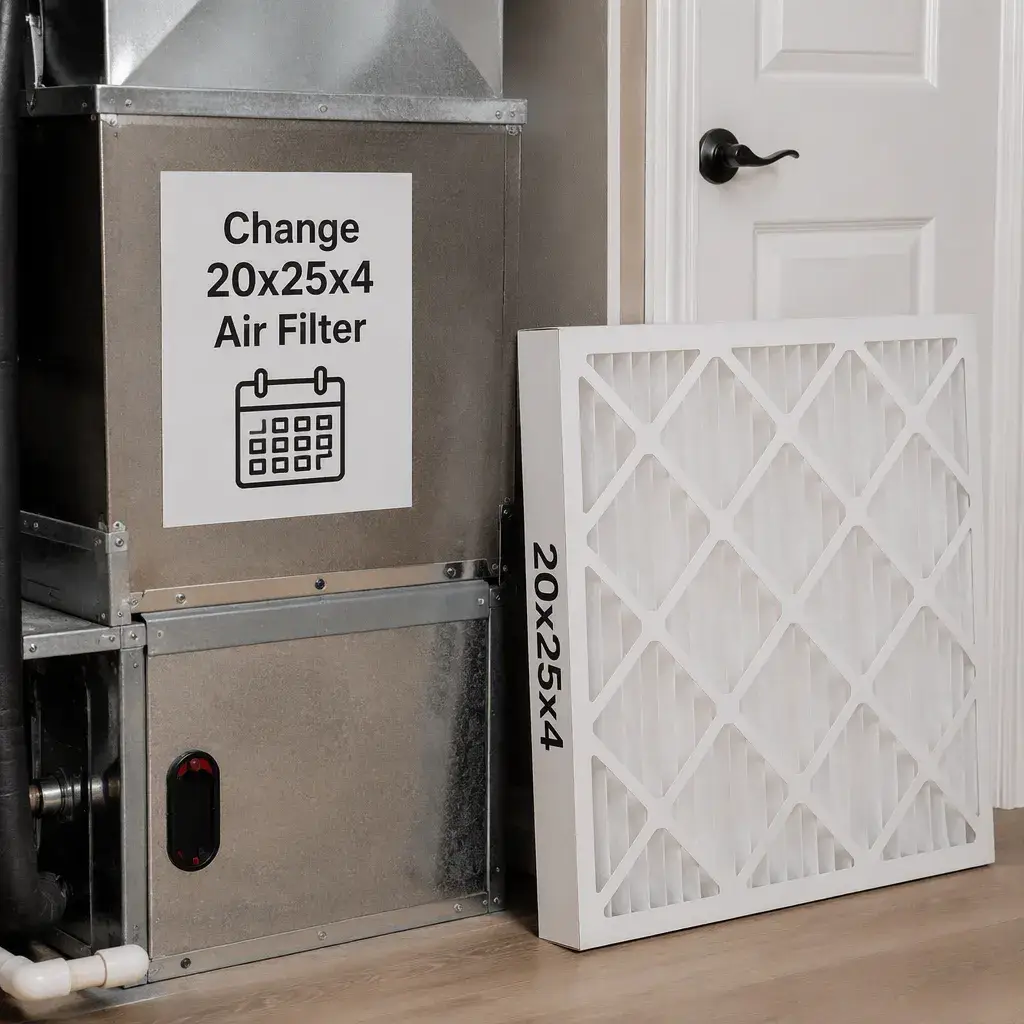
Even if you follow a set timeline, knowing how often to change a 20x25x4 air filter ultimately comes down to watching for key warning signs. As air filter manufacturers, we always recommend visual inspections over strict calendar reliance. If your system exhibits any of the following symptoms, replace your filter right away regardless of how long it has been installed.
Visible Dirt and Heavy Dust Accumulation
A quick visual check is the most straightforward way to evaluate your 4-inch pleated filter.
- Color Change: Bright white media that turns dark gray or brown indicates heavy particulate buildup.
- Matted Pleats: Deep folds covered in a thick layer of lint and debris block essential air channels.
- Debris Buildup: Spotting clear signs your HVAC filter is clogged means airflow is already severely restricted.
When light can no longer pass through the pleats, the filter has reached its holding capacity and requires immediate swapping.
Reduced Airflow and Uneven Temperature
When a media filter becomes saturated, your blower motor struggles to push air through the dense material.
- Weak Vent Output: Noticeably weaker air coming from supply registers across the house.
- Hot and Cold Spots: Rooms located furthest from the air handler fail to reach the set temperature.
- Extended Run Cycles: Your heating or cooling system runs continuously without satisfying the thermostat.
Restricted furnace airflow forces your system to work significantly harder, risking overheating and unnecessary mechanical stress.
Unexplained Spikes in Energy Bills
A clogged air filter acts as a physical barrier in your ductwork. As air flow resistance increases, your ECM blower motor draws more electricity to maintain baseline circulation.
| Condition | Motor Workload | Energy Consumption | System Impact |
|---|---|---|---|
| Clean 20x25x4 Filter | Normal | Standard | High system efficiency |
| Dirty/Clogged Filter | High / Overworking | Elevated (+15% to 30%) | Increased wear and utility costs |
Monitoring monthly utility bills is a reliable way to spot filter issues early. Upgrading and maintaining optimized HVAC air intake filters save money and improve efficiency over time by keeping power draw low.
Increased Indoor Dust and Allergy Symptoms
When a deep pleated filter fills up completely, air begins to bypass the media entirely around the edges of the filter frame.
- Rapid Dust Accumulation: Surfaces in your home gather a fresh layer of dust within a day or two of cleaning.
- Flare-ups: Increased sneezing, itchy eyes, or respiratory irritation caused by circulating pet dander and allergies.
- Stale Air Quality: Indoor air feels heavy, dusty, or carries lingering odors.
If your household experiences sudden allergy symptoms, check your filter immediately—bypassed dust bypasses your home’s main defense system.
Benefits of Replacing Your 20x25x4 Air Filter On Time
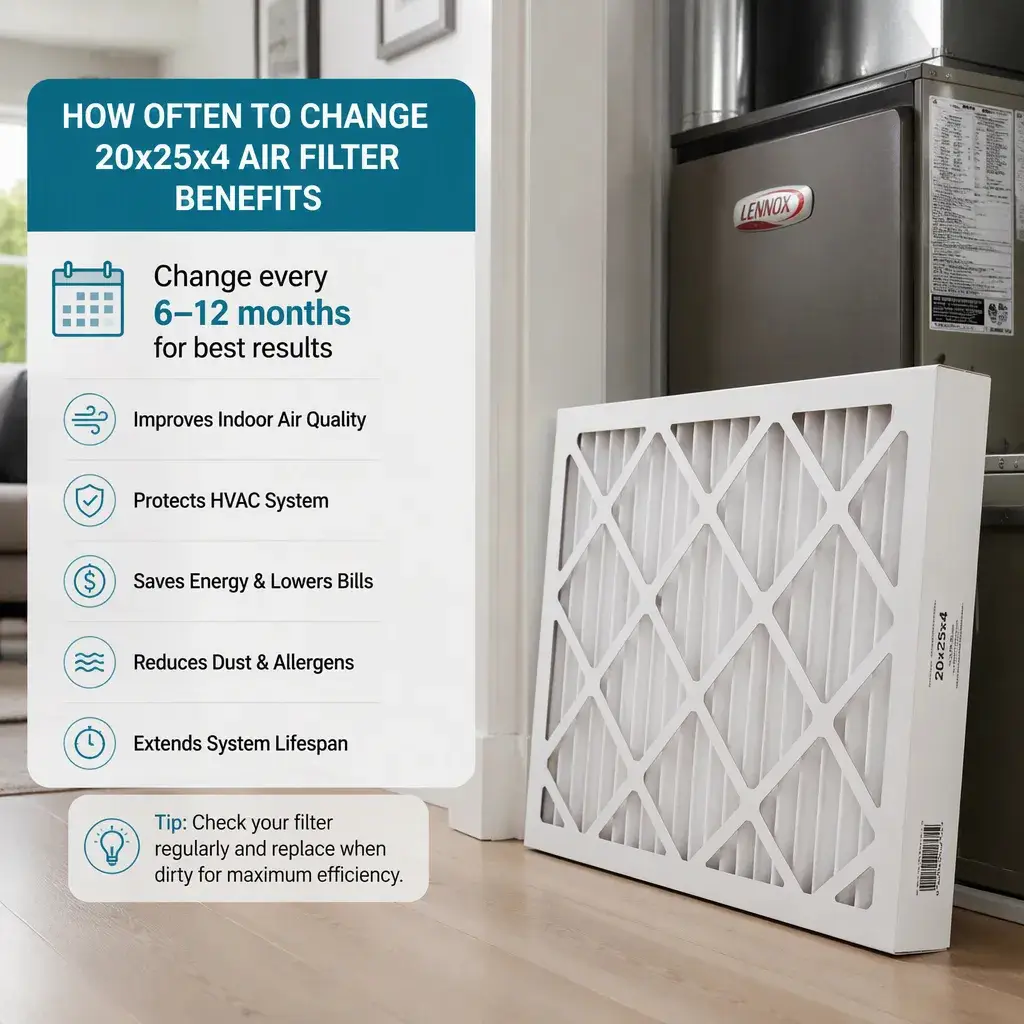
Knowing how often to change 20x25x4 air filter units pays off directly in utility savings, equipment longevity, and cleaner home air. Fresh deep pleated filters keep your heating and cooling system operating smoothly while capturing microscopic pollutants before they circulate through your living space.
Improved Indoor Air Quality
Swapping your 20x25x4 media filter on schedule prevents accumulated dust, pet dander, pollen, and mold spores from recirculating through your ductwork. Overloaded filters lose their filtration efficacy, allowing captured contaminants to blow back into living areas. If you notice persistent dust or allergy flare-ups, learning how to test your indoor air quality can help measure the immediate impact of installing a fresh 4-inch filter.
Enhanced HVAC System Efficiency and Energy Savings
A clean 4-inch filter allows maximum furnace airflow, maintaining low static pressure across the system. When a deep filter clogs, the ECM blower motor must work significantly harder to draw air through the dense media, consuming far more electricity.
| Filter Status | Airflow Resistance | System Power Draw | Overall Comfort Impact |
|---|---|---|---|
| Fresh 20x25x4 Filter | Low / Optimal | Standard Baseline | Peak Cooling & Heating |
| Overdue Filter | High Static Pressure | +15% to 25% Increase | Airflow Drops, Uneven Temps |
Understanding how static pressure affects your energy usage is vital when comparing filters for resistance and efficiency in whole-house media cabinets.
Extended Equipment Lifespan and Reduced Repairs
Restricted airflow caused by dirty filters is the leading cause of premature HVAC equipment failure. Timely filter changes protect your investment from unnecessary wear and tear.
- Prevents Coil Freezing: Unrestricted airflow keeps evaporator coils from icing up during hot summer months.
- Protects Heat Exchangers: Proper airflow prevents furnaces from overheating and cracking costly components.
- Reduces Blower Motor Stress: Keeps motor temperatures low, extending overall system service life.
How to Inspect and Replace a 20x25x4 Air Filter
Inspecting and swapping out your 4-inch pleated filter is a quick task that preserves system efficiency and maintains strong furnace airflow. Knowing how often to change 20x25x4 air filter media comes down to performing quick, regular checks as part of your routine HVAC maintenance.
Simple Steps to Check Filter Condition
Checking a deep pleated filter takes only a few minutes. Use these steps to determine whether your filter still has useful life left:
- Turn Off System Power: Always shut off the HVAC unit at the thermostat before opening the filter cabinet.
- Slide Out the Filter: Pull the filter directly out of the media cabinet or return duct slot.
- Perform the Light Test: Hold the filter up to a bright light source. If light no longer passes through the thick pleats due to heavy dust accumulation, it is time for a replacement.
- Inspect the Frame: Check for bowed cardboard, damaged edges, or any signs of moisture that could restrict airflow.
- Verify Fit and Sizing: Ensure your filter sits snug without gaps. If you are unsure whether this frame depth matches your cabinet, consult our most common air conditioner air filter sizes guide.
If your system uses a cleanable media grid instead of a disposable 4-inch pleated filter, check our guide on how to clean an air filter step by step for proper washing techniques.
Step-by-Step Replacement Guide
Swapping in a fresh filter ensures optimal indoor air quality and keeps your system running smoothly:
- Power Down the HVAC Unit: Turn off your furnace or air handler at the thermostat or breaker panel for safety.
- Remove the Old Filter: Open the access door, slide out the saturated 20x25x4 filter, and place it directly into a garbage bag to keep dust from spreading.
- Identify Airflow Direction: Look for the printed arrows on the cardboard frame of the new filter. These arrows must point toward the HVAC blower motor.
- Insert the New Filter: Slide the fresh filter level into the tracks until it sits flush inside the cabinet.
- Secure Cabinet and Power On: Latch the access door tightly to prevent air leaks around the frame, then restore power to your system.
Frequently Asked Questions About 20x25x4 Air Filters
What happens if I wait too long to change a 20x25x4 filter?
Waiting too long severely restricts furnace airflow, forcing your system to work significantly harder to pull air through clogged media. Over time, heavy dust accumulation leads to several critical issues: Higher Utility Costs: Your system runs longer cycles to reach set temperatures. HVAC Strain: Increased static pressure causes excess wear on the blower motor. Poorer Air Quality: Accumulated pollutants can bypass a clogged filter and recirculate through your living space. System Shutdowns: Overheating coils can trigger emergency system shutdowns or costly repairs.
Do higher MERV 20x25x4 filters get clogged faster?
Yes, high-efficiency filters capture finer particles like pet dander, mold spores, and micro-dust, which means they fill up quicker than low-efficiency alternatives. However, a 4-inch deep pleated filter offers up to four times the surface area of a 1-inch filter, delaying clog times substantially.
If you notice rapid buildup despite the larger surface area, investigating why do my air filters get dirty so fast can help identify root causes like duct leaks or high indoor humidity. When choosing the right level of filtration, comparing MERV 11 vs MERV 12 air filters helps you balance airborne particle capture with optimal system airflow.
Are all 20x25x4 air filters reusable or washable?
No, the vast majority of 20x25x4 filters are disposable pleated units engineered for single-use over a 6 to 12 month lifespan.
Washing a standard disposable pleated filter strips its electrostatic charge, weakens the synthetic media, and invites mold growth inside the damp pleats. Unless a filter is explicitly labeled as permanent and washable by the manufacturer, always replace it with a fresh media unit to protect your system and air quality.